Story Generator
Instructions:
- Add any relevant details to incorperate into your story.
- Click Generate, and Taverncrowd will create a unique and creative story to enhance your narrative.
Crafting Epic RPG/DND Stories: A Guide for Game Masters
Role-playing games (RPGs), particularly Dungeons & Dragons (DND), are rich repositories of narrative potential and have captivated audiences with their intricate storylines and character development. This article discusses best practices for creating compelling stories in RPGs, ensures immersion, and elevates the overall gaming experience.
Understanding the Fundamentals of RPG/DND Storytelling
The Importance of Narrative
In RPG and DND sessions, storytelling is the heart of the experience. A well-crafted narrative serves as the backbone, guiding players through epic quests, dramatic conflicts, and character growth. Key elements of effective storytelling in RPGs include character development, conflict, and setting.
Elements of an Engaging Story
- Characters: Develop detailed backstories and motivations that fuel player engagement.
- Conflict: Introduce challenges that require clever problem-solving, enhancing tension and excitement.
- Setting: Craft a vivid and immersive world where gameplay unfolds, complete with lore and history that enrich the experience.
Creating Compelling Characters
Player Characters (PCs) and Non-Player Characters (NPCs)
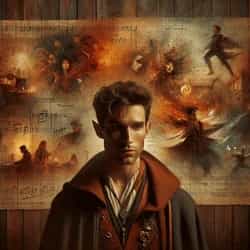
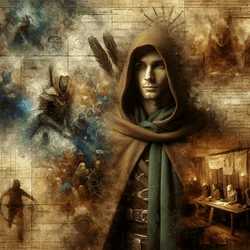
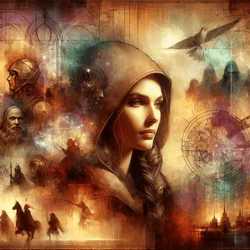
Building relationships among PCs and NPCs is crucial. Here's how to create memorable characters:
- Backstory: Provide a rich backstory for NPCs, linking them to the overarching plot.
- Goals: Give characters personal goals to pursue, intertwining them with the main narrative.
- Flaws and Strengths: Allow both PCs and NPCs to possess relatable strengths and weaknesses, promoting genuine development.
Knowing Your Players
Understanding the interests and motivations of your players allows you to tailor the story and characters to heighten emotional investment. Regularly communicate with them about their character arcs and expectations.
Developing a Captivating Plot
Crafting a Compelling Central Conflict
The central conflict is the driving force of an RPG/DND story. Consider these conflict types:
- Man vs. Man: Tensions arise between characters, invoking rivalry.
- Man vs. Nature: Characters face the challenges presented by their environment.
- Man vs. Self: Inward struggles can create depth, offering personal narrative arcs.
Incorporating Plot Twists and Unexpected Events
Surprise your players by introducing plot twists or unexpected events. This element promotes engagement and keeps your story unpredictable. It can be as simple as unveiling a treasured ally as an antagonist or revealing hidden motives.
Enhancing the Setting
Worldbuilding for Immersion
A well-defined setting adds depth to any RPG/DND story. Here are some tips on effective worldbuilding:
- Create Geography: Detailing the different regions, their climates, and diminutive societies provides a diverse backdrop.
- History and Lore: Develop an intricate history with legendary events, influential factions, and mythologies that players can explore.
- Cultural Nuances: Highlight unique cultural elements of various groups within the world to enrich interaction and world realism.
Collaborative Storytelling: Player Input
Empowering Players to Shape the Narrative
Engage your players in the storytelling process. Allow them room to propose ideas, develop their character affiliations, or influence major plot points. This collective narrative technique builds a richer storyline.
Reaction to Player Choices
Your story mechanics should adapt to players’ choices, creating a trademark of chain-reaction narratives. Player actions should have significant consequences in the world, reinforcing the feeling of ownership.
Closing Thoughts
Creating an exhilarating RPG/DND story is an art form that combines imagination, collaboration, and strategic planning. By focusing on character engagement, tension within your conflicts, detailed worldbuilding, and considering player input, Game Masters can foster unforgettable campaigns.
Remember that each play session presents another opportunity to weave intricate tales that will linger in the minds of players long after the dice have stopped rolling. Happy storytelling!
Utilize this guide to ensure your RPG/DND story engagement skyrockets, enabling your gaming sessions to be not just played, but lived through thrilling narratives.
Story Conflict
The story conflict generator has been folded into this page. Describe what you need in the generator above and it will draft it for you.
Story Description
The story description generator has been folded into this page. Describe what you need in the generator above and it will draft it for you.
Story Idea
The story idea generator has been folded into this page. Describe what you need in the generator above and it will draft it for you.
Story Line
The story line generator has been folded into this page. Describe what you need in the generator above and it will draft it for you.
Story Plot
The story plot generator has been folded into this page. Describe what you need in the generator above and it will draft it for you.
Story Problem
The story problem generator has been folded into this page. Describe what you need in the generator above and it will draft it for you.
Story Setting
The story setting generator has been folded into this page. Describe what you need in the generator above and it will draft it for you.
Story Starter
The story starter generator has been folded into this page. Describe what you need in the generator above and it will draft it for you.
Story Theme
The story theme generator has been folded into this page. Describe what you need in the generator above and it will draft it for you.
Story Title
The story title generator has been folded into this page. Describe what you need in the generator above and it will draft it for you.
Story Topic
The story topic generator has been folded into this page. Describe what you need in the generator above and it will draft it for you.