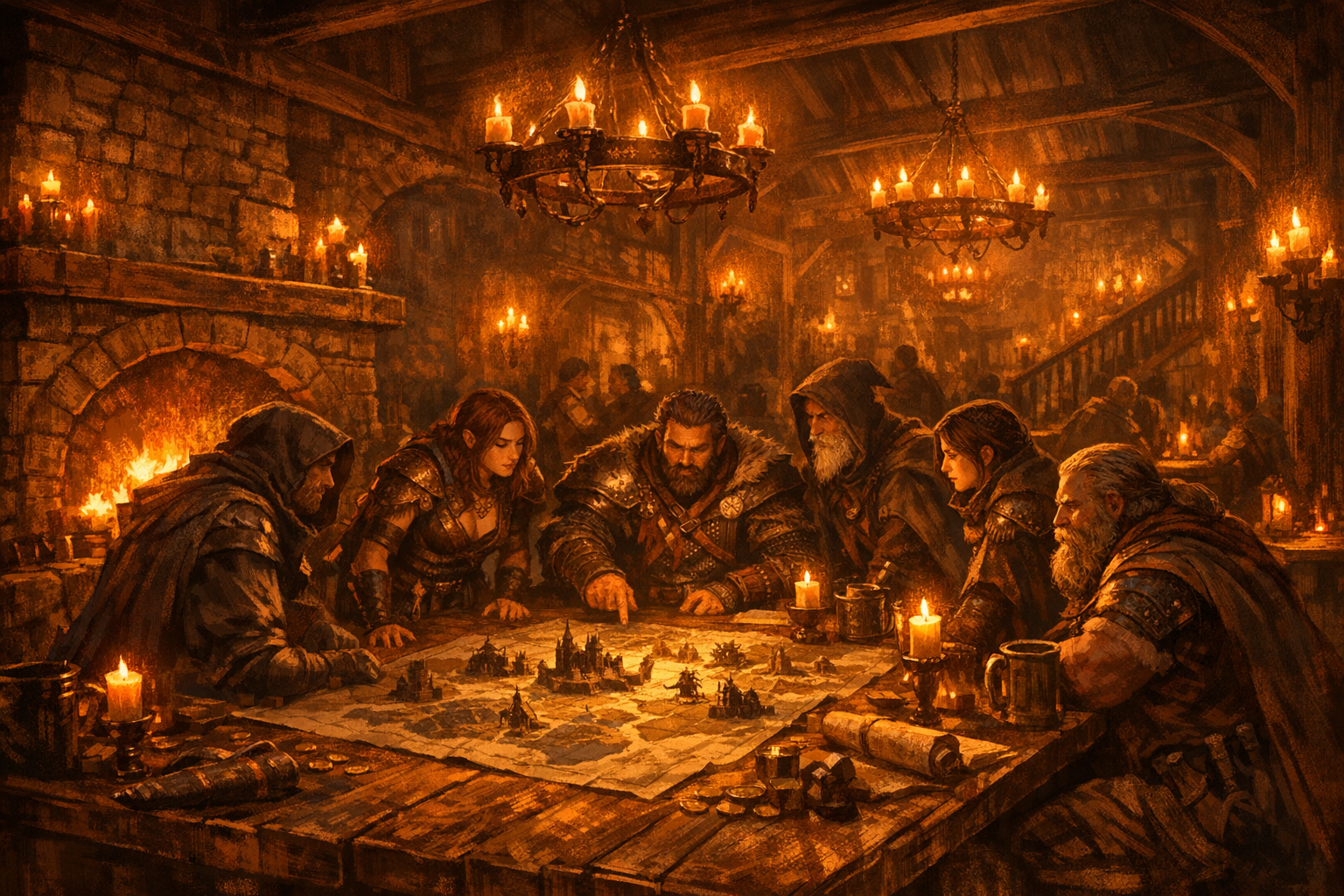


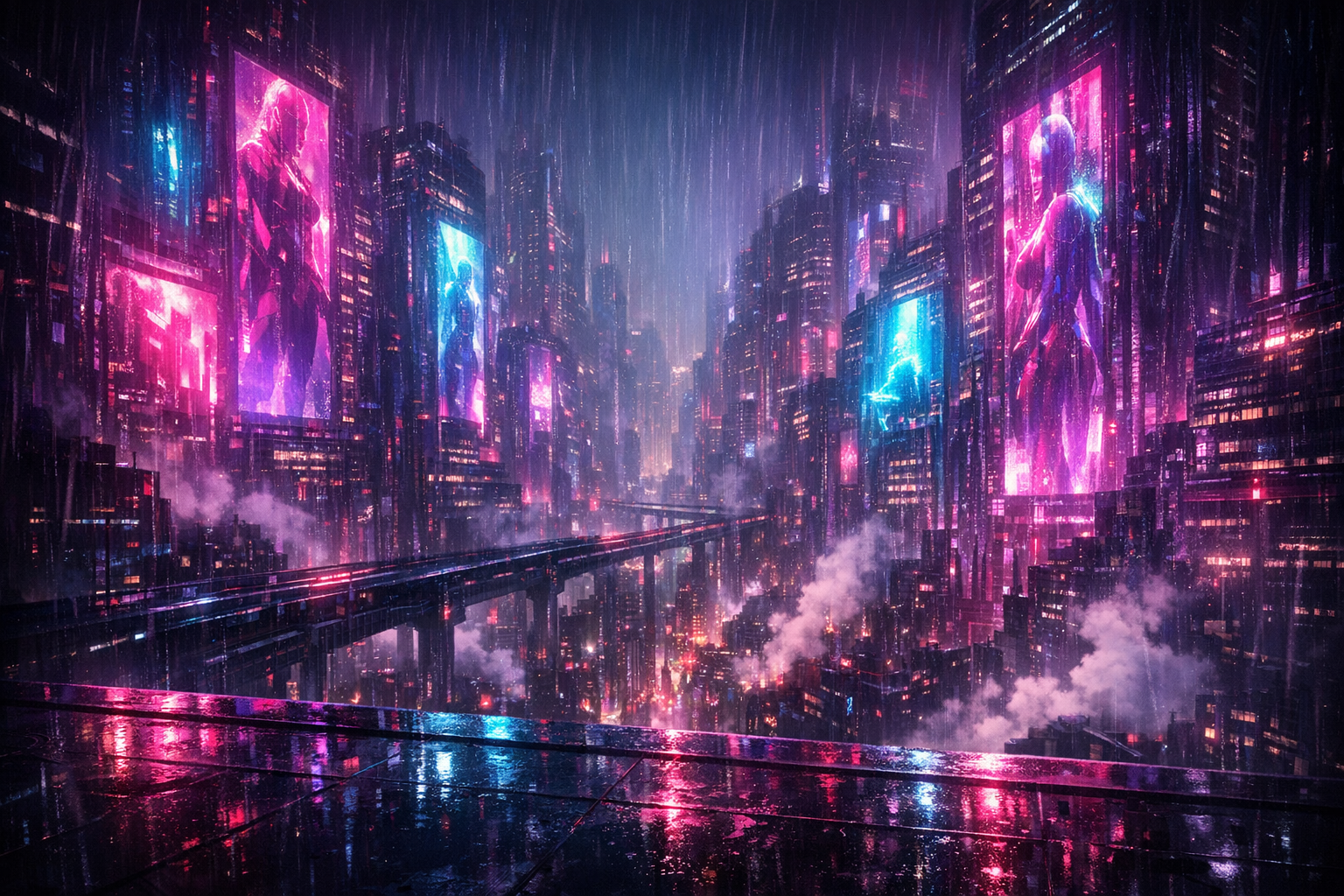
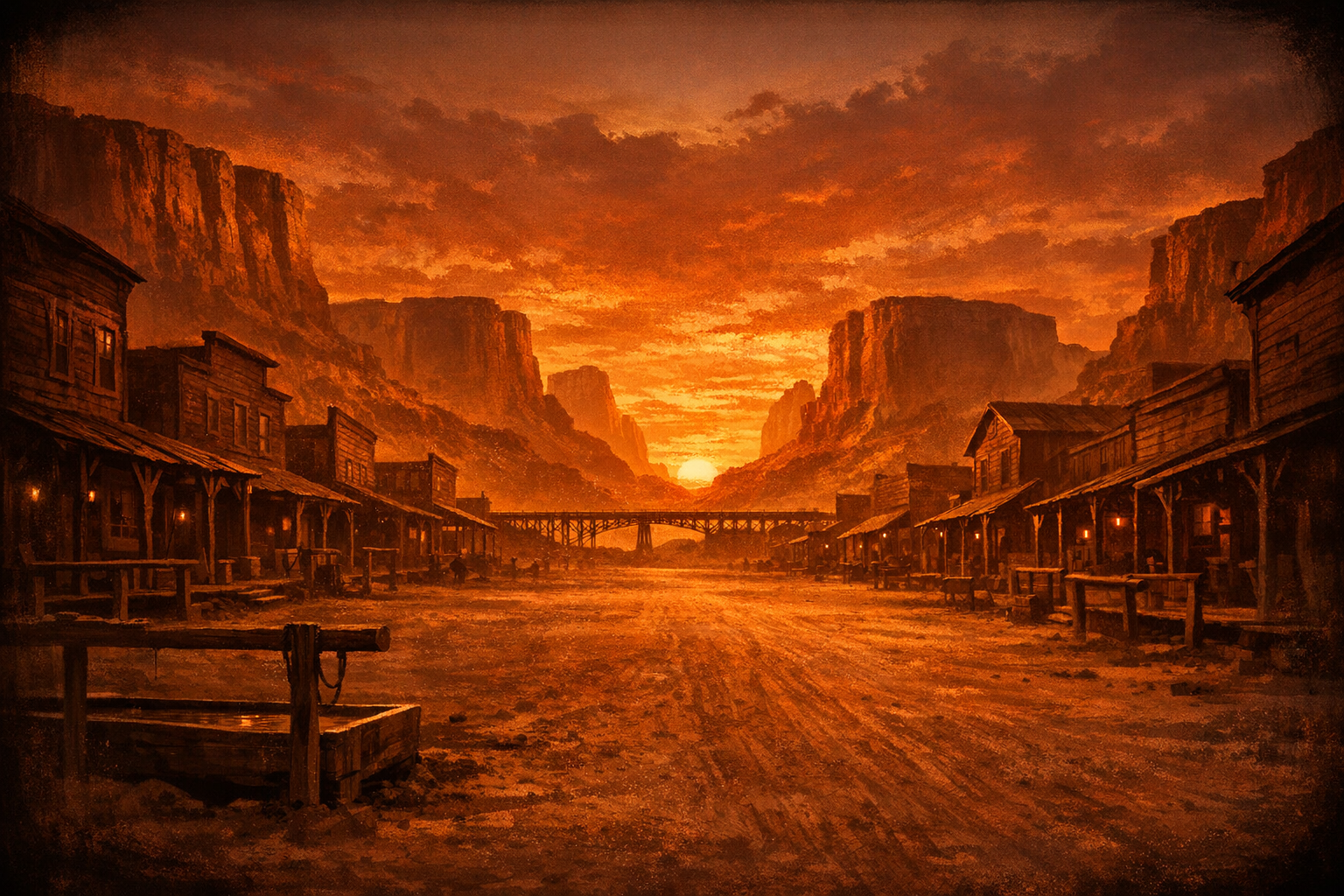

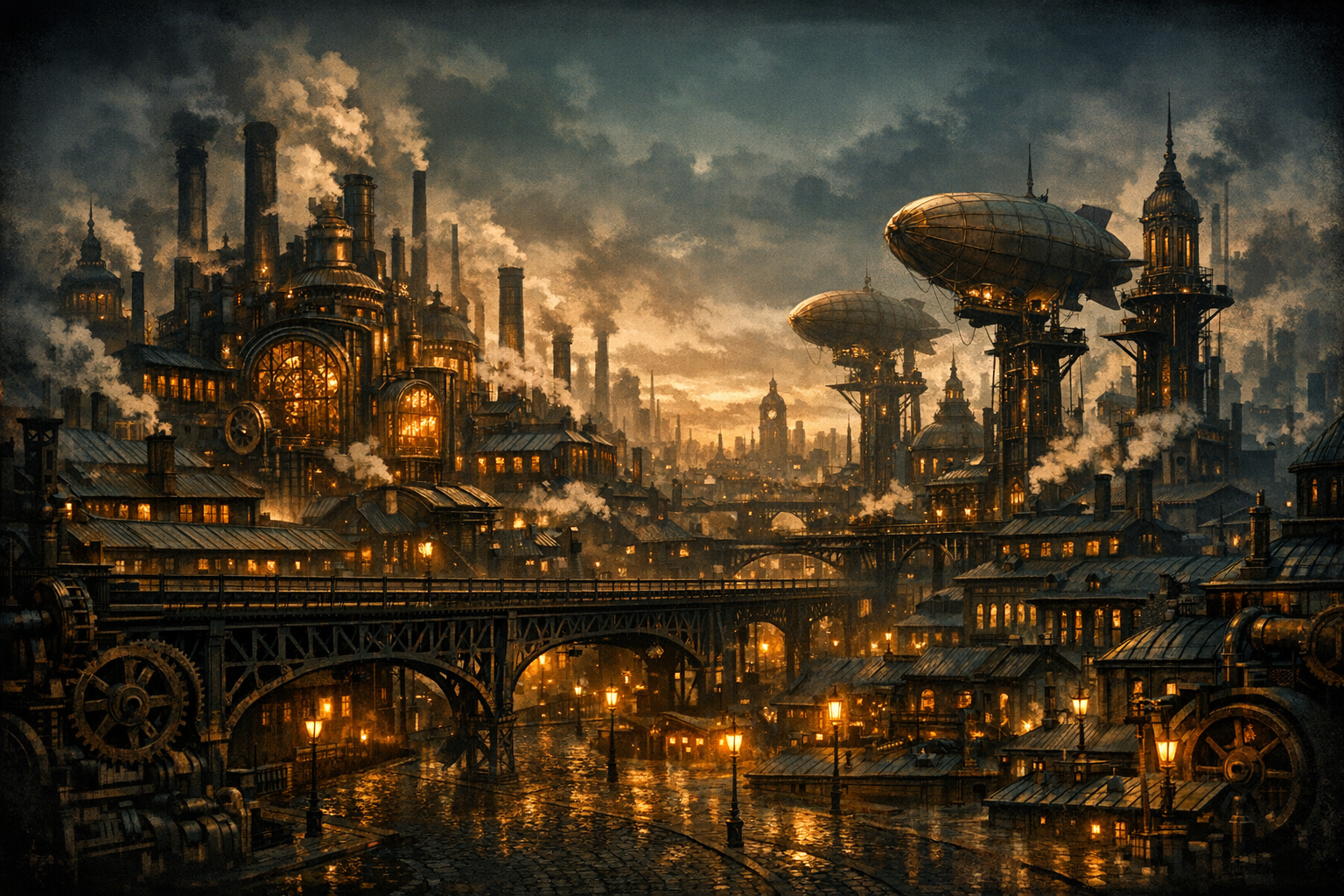
As Game Masters and players, we know that great worlds begin with clarity and curiosity. A well-built setting feels inevitable, almost discovered rather than imposed. It invites exploration, sparks character choice, and provides meaningful constraints that both empower and challenge the group. In this essay, we’ll break down practical, repeatable methods you can use to design worlds across genres—Fantasy, Sci-Fi, Cyberpunk, Western, Horror, Supers, Pulp Fiction, and Steampunk—without getting lost in the weeds. We’ll treat world-building as a collaborative act, a living system you and your players can grow together on game nights and in your preparation sessions.
Core Principles: What Makes a World Feel Real
- Consistency over complexity. Readers and players trust a world that follows its own rules. You don’t need everything explained, but the core logic must be visible and repeatable. Create a few crisp governing principles and apply them everywhere.
- Scope with respect to play. Your world should be navigable for the table. Decide how big a canvas you need for your campaign length, then scale details appropriately. Global empires, regional rivalries, and intimate local cultures all matter, but you don’t need to map every village—start with a few anchors and grow.
- Story seeds, not plot bombs. Build networks of potential beats rather than fixed, player-railroading scenarios. Leave room for your players to choose paths, misdirect expectations, and escalate conflicts organically.
- People and power in balance. Systems matter, but people drive drama. Focus on factions, leaders, cultures, and the day-to-day impact of governance and technology on ordinary lives.
- Mood as a design tool. The emotional color of a place—grim and oppressive, buoyant and chaotic, serene and ancient—guides tone, visuals, NPC behavior, and combat style. Mood should be a deliberate design decision, not an afterthought.
Foundational Framework: Building a World in Stages
1. Establish the Big Assumptions
- Define the genre’s core lens: What is the primary genre-mood? Is magic scarce or ubiquitous? Is technology advancing rapidly or stagnating? What is the baseline threat?
- Set the central conflict or tension: Resource scarcity, political domination, a looming cosmic threat, or cultural revenge. This drives faction behavior and plot hooks.
- Decide the scale: A single city-state, a star-spanning empire, or a multiverse web of worlds connected by portals? Your scale informs who matters and what stories can emerge.
2. Forge the Cultural Landscape
- Create a handful of named cultures or factions with distinct values, aesthetics, and social norms. Tie these to tangible quirks: rituals, garb, language quirks, cuisine, and architecture.
- Map trade, technology, magic, or psionics as a spectrum rather than binary. Where do cultures intersect? Where do tensions arise? Intersection points generate rich social drama.
- Build institutions with both purpose and failure: guilds, religious orders, academies, police, mercenary companies, and media channels. Institutions reveal what a society values and what it fears.
3. Design the Geography as Character
- Geography should shape politics and culture. Mountain passes, river basins, deserts, seas, and archipelagos create natural power bases and conflict hotbeds.
- Include landmarks that anchor memory and travel. A haunted ruin, a nexus of ley lines, a trade hub, a capital city, a frontier fort—these become recurring anchors for adventures.
- Think about travel constraints. How long does it take to move between hubs? What dangers lie on the road, sky, or sea? Travel shape pacing and encounter density.
4. Build the Rules that Underpin the World
- Determine how magic, tech, or supernatural forces function. Is magic a learned discipline, a divine gift, or a commodity with price? Is technology user-friendly or enigmatic?
- Establish consequences and costs. Power should be scarce or expensive enough to matter. Repercussions shape choices and faction strategies.
- Create a simple mechanism for consistency: a few universal laws (e.g., how teleportation interacts with time, how tech ages society) that you and players can reference.
5. Populate with Characters, Factions, and Local Color
- Write a core cast of NPCs with goals, flaws, and alliances that reflect the larger world’s tensions.
- Develop factions with clear motives, resources, leader archetypes, and rivalries. Factions should have visible wins and losses tied to world events.
- Add micro-scenarios: a local mystery, a crime ring, a sorcerous rival, a corporate coup, or a frontier vigilante group. Micro-scenarios give you ready hooks without heavy prep.
6. Plan the Story Arcs, Not Just Adventures
- Create a few long arcs that track significant shifts in power, culture, or ecology. Each arc should feel consequential to the players, with meaningful choices that alter the world state.
- Leave modular beats for improvisation. Have backup options in case players derail or surprise you. Your world should respond to player agency as a living system.
- Use a “world pulse” concept: a recurring metric (economic health, magic flux, public opinion) that tracks how the world is changing over time. Let this pulse influence NPC plans and plot options.
Genre-Specific Tendencies: Tailoring World-Build for Different Genres
Fantasy
- Magic as a resource network: ley lines, magical guilds, oaths, artifacts. Decide who can access power and what it costs.
- Pantheons and folklore: deities influence politics, festivals, and law. Religious schisms can drive wars or revolts.
- Ruins and relics: ancient civilizations leave behind puzzles, traps, and knowledge that shape current events.
- Practical tips: map major magical sites, create a magic economy (tithe, mining, artifact trade), and design factions like scholars, mage guilds, church hierarchs, and monster hunting orders.
Sci-Fi
- Technology ecosystems: starfaring routes, factional tech, corporate control, and cybernetic augmentation. Consider resource monopolies and black markets.
- Planetary diversity: eco-systems, terraforming ethics, and orbital considerations change politics and daily life.
- Practical tips: draft a tech tree with dependencies, create a spacefaring culture with transport hubs, and outline primary megacorporations and their influence.
Cyberpunk
- Power via information and networks: data sovereignty, surveillance states, and hacker cultures. The city as a living computer.
- Grit and contrast: neon luxury versus urban squalor. Baroque aesthetics meet brutal efficiency.
- Practical tips: define a data economy, design a few iconic megacorporations, and create districts with distinct vibes and hazards.
Western
- Frontiers and jurisdiction: who enforces law, who bribes who, and what constitutes justice.
- The moral landscape: rugged individualists, humble towns, and hidden conspiracies under the surface.
- Practical tips: sketch a “county” map with outposts, saloons, and sheriff offices; develop outlaw factions and migratory routes.
Horror
- Fear as a mechanism: unseen threats, creeping dread, moral compromises.
- The unknown and the uncanny: places that defy logic or reveal hidden truths.
- Practical tips: design areas that reveal story through atmosphere and clues; decide what trauma or fear looks like in daily life and how it shapes NPC actions.
Supers
- Powers and consequences: the social-than-physical impact of extraordinary abilities.
- Public perception and policy: hero registries, vigilante ethics, power scams, and media narratives.
- Practical tips: outline a few hero archetypes, a villain hierarchy, and how powers reshape neighborhoods and institutions.
Pulp Fiction
- Fast pace, wit, and twists: think serialized magazine energy. The world should feel punchy and a little reckless.
- Exotic locales and capers: treacherous jungles, sun-scorched deserts, and smoky cities.
- Practical tips: create episodic beat sheets with style, humor, and danger; balance macguffins and moral choices.
Steampunk
- Steam technology and Victorian aesthetics: brass, clockwork, airships, and ornate institutions.
- Social stratification and innovation: the tension between inventors, labor, aristocracy, and reformers.
- Practical tips: map industrial corridors, define invention licensing, and describe the relationships between engineers, guilds, and state agencies.
Practical Tools: Build Faster, Build Better
World-Build Templates You Can Use
- Nation or Region Template
- Name: [Culture/Region name]
- Core Belief: What drives the people here?
- Power Structure: Who holds authority, and how is it maintained?
- Economy: What is exchanged, and how is wealth generated?
- Relations: Key allies, rivals, and enemies.
- Tension Points: Ongoing conflicts or simmering disputes.
- Faction Profile Template
- Faction Name:
- Motivation:
- Resources:
- Leaders:
- Methods:
- Weaknesses:
- Current Focus:
- Locale Snapshot Template
- Location:
- Mood:
- Key NPCs:
- Rumors:
- Adventure Seed:
Systems Thinking for Consistency
- Use a single “World Logic Card” per campaign outlining the core rules of magic, tech, and supernatural phenomena. This card travels with you in prep and sessions, and you can update it as your world evolves.
- Create a “Cause and Effect” map where each major decision has a direct, known consequence a few steps away. This reduces the risk of incongruent plot twists and makes outcomes feel earned.
- Maintain a log of pivotal events (wars, treaties, discoveries) with dates or era markers. Players may reference these events to anchor their choices and understand how the world arrived at the current moment.
Improvisation Techniques for GMs
- The Three-Question Method: Whenever players act, quickly ask: What do the players want here? What is the world’s response? What is the next mystery this action creates?
- The Pulse Check: Every session, note one change in mood, power balance, or resource flow. Let that pulse steer the next session’s stakes.
- The Trust-But-Verify Approach: Keep a few powerful, known facts as constants, but allow players to discover or reinterpret secondary details. This preserves coherence while encouraging exploration.
Session Scaffolding: Balancing Preparation and Play
- Prep the anchor scenes: A few fixed locations or events that will recur in every session (a market, a temple, a control hub, a sheriff’s office).
- Create dynamic encounters: Each session should present at least one conflict that can be resolved in different ways—combat, diplomacy, infiltration, or problem-solving.
- Leave breadcrumbs and easy exits: If players want to pivot, give them plausible reasons to do so—an unexpected ally, sudden news, or a hidden passage.
World-Build Across the Table: Collaboration and Ownership
- Involve players early in the world’s shaping. Ask “What would your character fight for, fear, or crave?” and map their goals into the broader world. This creates investment and sense of ownership.
- Use “player pack” sessions: 60–90 minutes dedicated to world-painting with prompts: culture, faction, landmark, and legend. Collect ideas and merge them into the official world.
- Rotate spotlight across genres. If you’re running a multi-genre campaign or a world hub that supports many genres, ensure each session touches a different genre’s flavor to keep things fresh and allow different player strengths to shine.
The World-Build Hub: A Central Resource for Your Table
The World-Build Hub is your central landing page to unify resources for fantasy, sci-fi, cyberpunk, western, horror, supers, pulp, and steampunk settings. It functions as a practical toolbox: templates, encounter seeds, mood boards, and cross-genre prompts that you can implement in minutes or weeks. The hub emphasizes collaboration, repeatable processes, and genre-informed design choices so you can build immersive worlds without getting paralyzed by the scope.
-
What you’ll find:
- Genre-specific checklists and templates to accelerate prep
- Faction and NPC catalogs designed for quick adaptation
- Micro-scenarios and adventure seeds aligned with common genre tropes
- World-pulse trackers and cause-effect mapping to sustain consistency
- Collaboration prompts to involve players in world-building
-
How to use this hub:
- Start with a Genre Core: pick your dominant genre and establish the lens, mood, and scale.
- Create Anchor Locations: map a few key places that anchor exploration and conflict.
- Tell the World Through NPCs: give each major NPC a goal aligned with the world’s core tensions.
- Run with a World Pulse: track evolving conditions that shape future sessions.
- Iterate with Feedback: schedule a short session or interval to refine the world based on player experience.
Cross-Genre Cohesion: Connecting Diverse Settings
A truly resonant hub doesn’t silo genres; it provides bridges that let a campaign fluidly cycle between them. Here are techniques to maintain cohesion when you swing between fantasy, sci-fi, cyberpunk, and beyond:
- Thematic throughlines. Choose a few universal tensions that cut across genres: authority versus freedom, old magic versus new tech, or the price of power. Let these refrains appear in each genre’s flavor but with different expressions.
- Canonical anchors. Maintain a shared set of artifacts, myths, or events that exist in every genre’s terms. A legendary city, a misused artifact, or a shadow organization can appear in various guises across genre threads.
- Local-global interplay. Even in intimate urban horror, the same macro forces at play in a sprawling sci-fi empire can leak into the city’s alleys. Use echoes: a noble house in fantasy, a megacorp in cyberpunk, a cult in horror.
- Cross-genre NPCs and factions. Create some organizations that exist in multiple genres but adapt their aims and methods to fit the setting. A thieves’ guild could become a data-drink ring in sci-fi or a clockwork syndicate in steampunk.
Examples and Playable Seeds
- Fantasy seed: The Archway of Echoes is a ruined gateway that records memories of whoever passes through. The party discovers that a tyrant’s rise coincided with a flood of memories through the Gate, and now factions either seek to control it or destroy it.
- Sci-Fi seed: A derelict orbital habitat drifts into a contested sector. It’s rumored to contain a data cache that can reveal the location of a planetary seed vault; rival factions race to reach it, while the habitat’s AI negotiates with the players in increasingly adaptive ways.
- Cyberpunk seed: A city-wide blackout reveals a hidden city beneath the streets—an outlaw data pond where people barter secrets and illegal augmentations. The players must navigate corporate security, street gangs, and a rogue AI that claims to be the city’s conscience.
- Western seed: A canyon town sits on a fault line that periodically erupts with geothermal power. The town’s prosperity depends on stable access to power, but a cartel seeks to control the resource, leading to shootouts, parley, and strategic sabotage.
- Horror seed: A carnival arrives in town, bringing joyful spectacle but a creeping dread. People vanish after rides that replay their worst memories. The players must uncover the carnival’s master and the source of the suffering.
- Supers seed: A hero-turned-villain conference has fractured public trust. The players must decide which side to back as surveillance states, legal controls, and public opinion collide.
- Pulp seed: A daring chase across a volcanic archipelago leads to a hidden temple and a MacGuffin that can rewrite the balance of power in the archipelago.
- Steampunk seed: A grand airship race becomes a cover for a conspiracy to sabotage the city’s climate-control system, plunging the metropolis into chaos.
Practical Quick-Start: A 60-Minute World-Build Sprint
If you’re starting from scratch or need to refresh a campaign, here’s a fast, repeatable sprint you can run with your group:
- Step 1: Decide the dominant genre and set a mood in two sentences. Example: “We’re in a grim, magic-infused kingdom where ancient treaties govern power and magic is a dangerous, taxed resource.”
- Step 2: Name two major factions or cultures and outline their goals in one line each. Example: “The Ardent Guild seeks to protect the king’s oath and preserve magical monopolies; The Lantern Syndicate trades in secrets and uses tech-based surveillance.”
- Step 3: Choose three anchor locations. Example: a ruined temple, a bustling market city, and a border fortress.
- Step 4: Establish one conflict that will push the first arc. Example: a treaty renegotiation that could spark civil war or a coup.
- Step 5: Create one memorable NPC with a clear motive and a flaw that can create tension. Example: an idealistic magistrate whose zeal blinds them to corruption.
- Step 6: Define one “world pulse” update you’ll track this week. Example: “Magic Flux” rising due to unseen artifact activity.
- Step 7: Draft one adventure seed that can be resolved in one session or expanded into an arc. Example: The party must prevent an assassination that would derail the treaty.
Where to Put Your World-Build Notes
- Central hub document: a living manuscript or wiki that everyone can access and edit.
- Genre-specific subpages: keep templates and notes accessible by genre to help players engage with the world’s flavor.
- Session-to-session log: capture what happened and what changed in the world to prevent continuity errors.
- A shared “map of power”: a visual that shows factions, their territories, and the major conflict lines. Use color-coded factions for easy readability.
The GM and Player Roles in World Building
- GMs as custodians of coherence: you keep the rules consistent and the world’s logic intact, but you should also be flexible enough to accommodate player-driven discoveries.
- Players as co-authors: invite players to draft landmarks, factions, or minor deities in-session. Their contributions become canon if you approve them and weave them into ongoing plots.
- Shared responsibility: designate a “world log keeper” to record major changes, and rotate the duty so everyone remains engaged.
Final Thoughts: Building Worlds That Feel Living
World-building is a practice of disciplined imagination. It’s not about creating a perfect map or a flawless lore bible; it’s about creating a flexible system of beliefs, tensions, and possibilities that players can explore. Your hub should function as a living library and a workshop where ideas are tested, revised, and expanded. Your world must respond to player choices, but you should also guide and shape those choices with clear constraints and meaningful consequences.
In the best campaigns, the world feels inevitable because it consistently follows its own rules, yet remains open to surprise. You’ll see players lean into opportunities you planted and find creative solutions you hadn’t anticipated. That is the magic of a well-built TTRPG world: a shared space where narrative structure and imaginative freedom meet, across genres and tones.
If you’d like to dive deeper into specific techniques, templates, and cross-genre prompts, return to the World-Build Hub and explore the linked resources, templates, and seeds. And as you iterate, remember: the most memorable worlds are the ones your table can inhabit, adapt, and shape together.