

Dwarves
Stout-hearted masters of stone and forge, builders of kingdoms that endure beneath the mountains
Built to Last
Dwarves are stubborn. That's not an insult — it's a survival strategy refined across millennia of living inside mountains that occasionally try to collapse on you. Every other fantasy species gets described in terms of what they're good at. Dwarves get described in terms of what they refuse to stop doing.
This stubbornness runs deeper than personality. Dwarven societies persist for thousands of years because the people in them treat change as something that needs to justify itself before being allowed through the front gate. A dwarf doesn't ask "why not?" — they ask "why?" and expect a damn good answer.
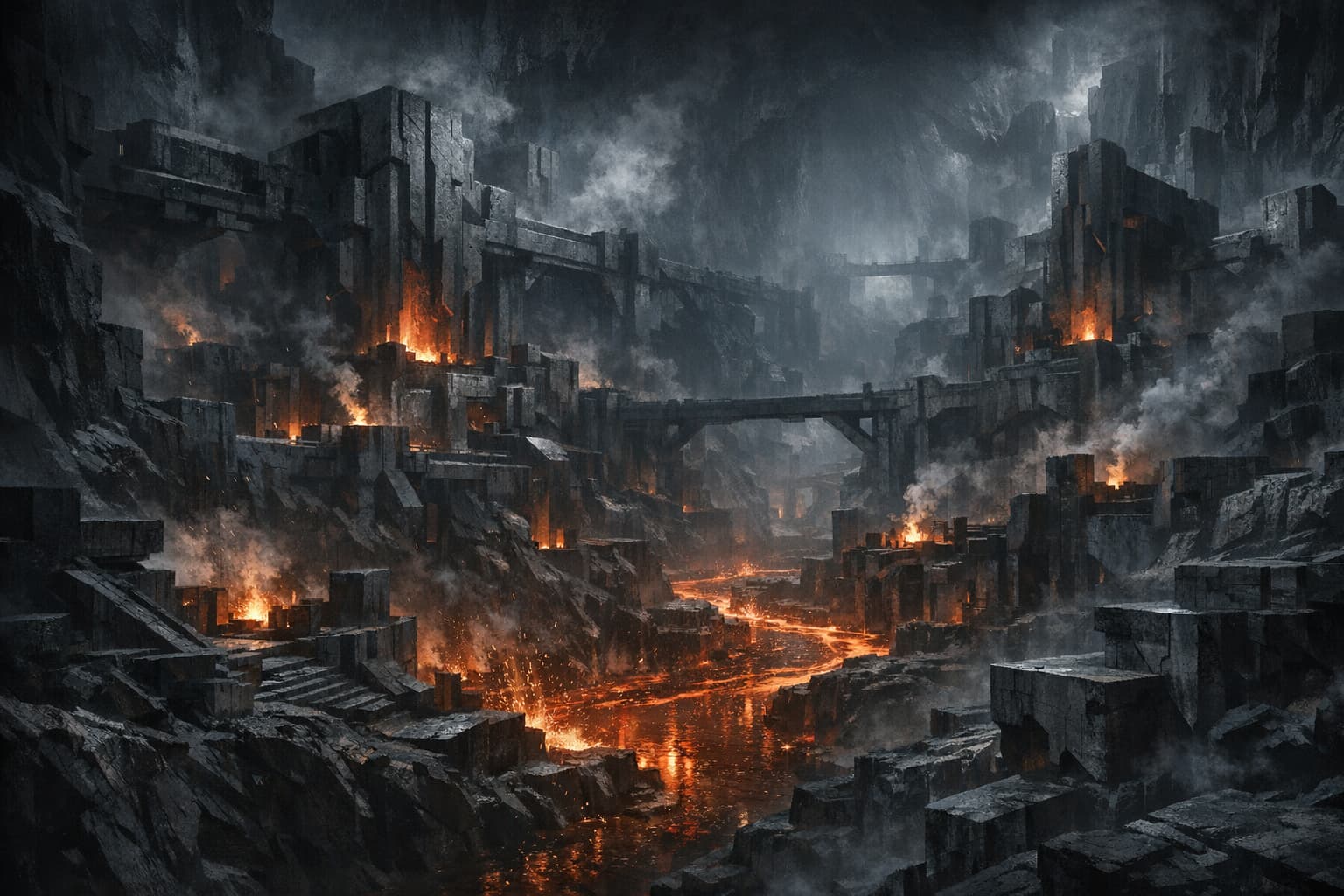
The result is cultures that feel geological. Dwarven kingdoms don't rise and fall on the whims of individual rulers. They grow like stalactites: slowly, predictably, and with a weight that makes them difficult to dislodge. When dwarven civilizations do collapse, it's usually because something fundamentally changed about the mountain itself — a dragon moved in, a mine broke through into something that should have stayed buried, or the ore ran out.
The Mountain Shapes the People
You can't spend generations carving homes out of solid rock without it changing how you think. Dwarves understand materials in ways that surface-dwellers find almost mystical. A veteran dwarven miner can tell you what's behind a wall of stone by tapping it with a hammer. A dwarven smith knows when metal is ready by sound and color, not by checking a temperature gauge.
This isn't magic, though it might as well be. It's accumulated knowledge passed down through apprenticeship chains that stretch back centuries. A dwarven master smith learned from a master who learned from a master, each one adding refinements too subtle for any single lifetime to develop. The techniques encoded in dwarven craft traditions represent thousands of years of iterative improvement.
This doesn't mean dwarves lack individuality. It means their individuality expresses itself within structures rather than against them. The dwarven artisan who develops a new technique doesn't reject tradition — they extend it. The dwarven leader who proposes reform doesn't overthrow the system — they argue their case through established channels, sometimes across decades.
The underground environment shapes dwarven social structures. Space is limited and expensive to create. Resources require organized extraction. Threats demand collective response. These pressures produce societies that value cooperation, hierarchy, and long-term planning over individual expression.
Craft as Identity
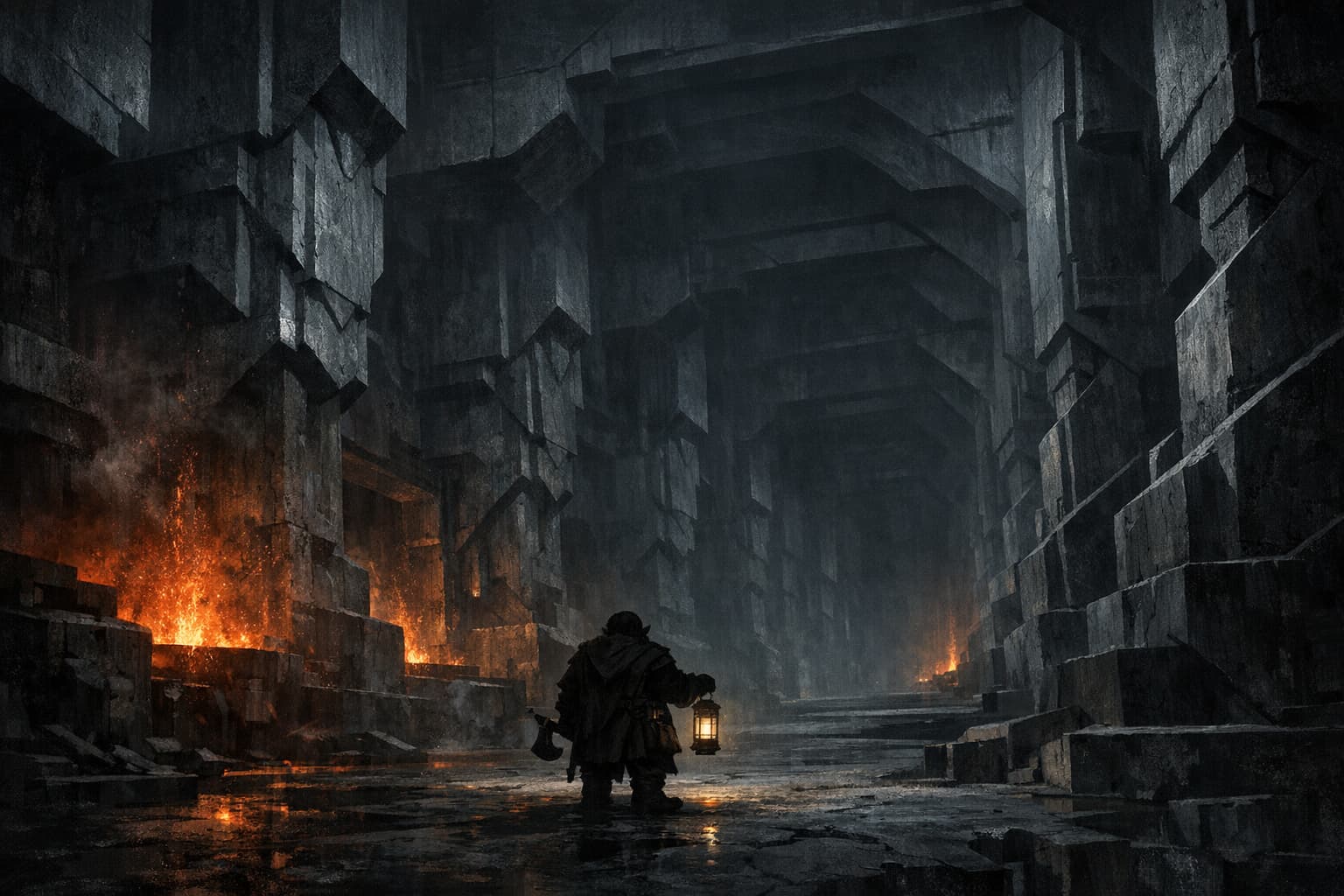
Ask a dwarf what they do, and they'll tell you their craft before their name. This isn't just cultural emphasis — it reflects a genuine belief that what you make defines who you are. Dwarven craftwork serves as resume, philosophy, and autobiography rolled into one.
The emphasis on craft connects to dwarven views on mortality. Dwarves live longer than humans but not forever. They're acutely aware that individuals pass while works endure. The axe your grandmother forged still splits wood. The hall your clan carved five centuries ago still stands. You will die; your craft will outlive you. This isn't morbid — it's motivating.
Quality matters because permanence matters. A shoddy piece of dwarven work isn't just embarrassing — it's a betrayal of the principle that craft should outlast the crafter. This explains the infamous dwarven perfectionism that drives other species slightly mad. The dwarf who spends three months on a door hinge isn't being difficult. They're building something that will still work perfectly when their great-grandchildren are using it.

The Grudge Book Problem
Dwarven grudges are legendary, and not without reason. When your culture values permanence and your people live for centuries, slights accumulate rather than fade. The insult delivered to your grandfather isn't ancient history — someone who witnessed it is probably still alive and still annoyed about it.
Most dwarven societies formalize this through some version of a grudge book — a record of wrongs done to the clan that must eventually be addressed. This isn't petty; it's systematic justice operating on a different timescale than human courts. A grudge might take decades to settle because dwarves are willing to wait for the right opportunity.
This creates interesting dynamics for play. A dwarven character might carry grudges they inherited rather than earned, obligations to settle scores for ancestors they never met. They might question whether the grudge system serves justice or merely perpetuates conflict. They might use grudge traditions strategically, recording offenses to gain political leverage rather than out of genuine grievance.
Grudge systems interact with dwarven stubbornness to create conflicts that outlive any reasonable justification. Two clans feuding over a mining rights dispute from four centuries ago may have forgotten the original details while preserving the hostility perfectly.
Dwarven Diversity
The range of dwarven subtypes reflects how differently even the same mountain-born species can develop under specific circumstances:
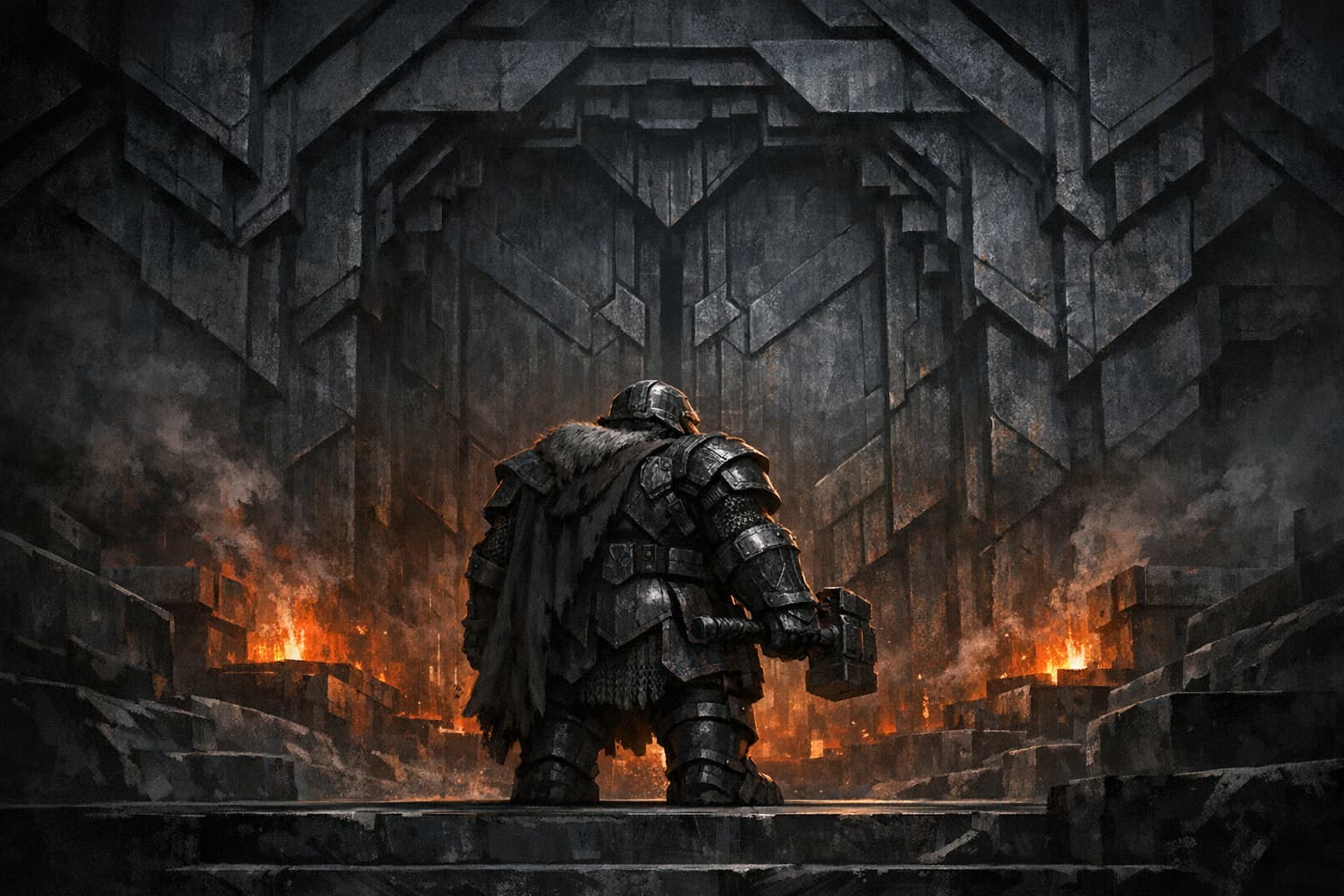
Mountain Dwarves represent the archetypal dwarven experience — deep halls carved into living rock, vast forge complexes, and mining operations that span generations. Their societies are the most traditional, the most hierarchical, and often the most powerful.
Hill Dwarves chose sunlight over torchlight, building terraced communities in open country where brewing, agriculture, and trade define daily life. They’re the dwarves most likely to have human neighbors and least likely to apologize for it.
Shield Dwarves carry the military legacy of the Sword Coast North, a scattered network of citadels bound by a shared history of loss and reclamation. Every generation fights to take back what the previous generation lost.
Gold Dwarves consolidated wealth and tradition in the Great Rift, building a theocratic civilization so stable it measures change in centuries. Their craftsmanship is extraordinary; their conservatism is equally formidable.
Duergar emerged from isolation and suffering in the deepest places underground. Hardened by psionic enslavement and lightless depths, their cultures prioritize survival and self-reliance above the communal warmth that surface dwarves take for granted. They're not evil — they're what dwarven stubbornness becomes when everything tries to break you and nothing does.
At the Table
Dwarves work best as characters when their cultural traits create consequences players experience directly. The dwarf who won't abandon a position isn't just being stubborn — they're expressing a worldview where holding ground matters more than tactical flexibility. The dwarf who insists on quality craftsmanship isn't being difficult — they're living their belief that what you make defines who you are.
The most common mistake with dwarven characters is treating them as comic relief: the Scottish accent, the drinking contests, the gold obsession. These tropes aren't wrong exactly, but they reduce a rich cultural framework to a handful of jokes. Gimli in the Lord of the Rings films demonstrates both the problem and the potential — played for laughs in the theatrical cuts, given genuine depth and dignity in the extended editions.
Build dwarven characters around specific craft traditions, specific clan loyalties, specific grudges and obligations. Give them opinions about stonework the way a wine enthusiast has opinions about vintages. Let them be genuinely uncomfortable above ground, where the sky is too big and the earth doesn't talk back. Make their stubbornness a feature, not a punchline — because in a world full of things trying to kill you, refusing to move is sometimes the bravest thing you can do.
Subtypes
Dwarven Kindred
 01
Mountain Dwarves
Fortress builders whose kingdoms endure inside living rock, measured in millennia rather than centuries
Read More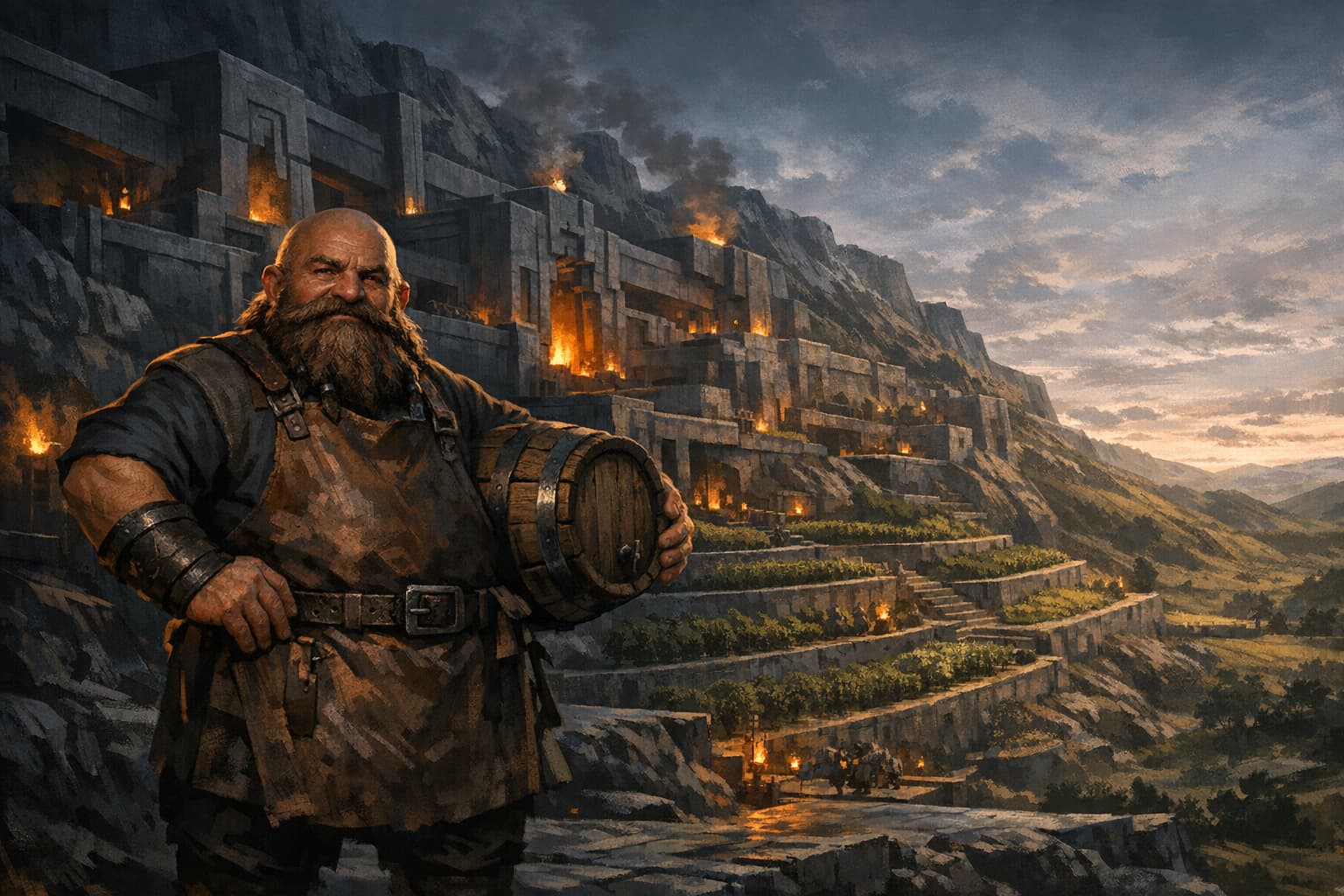 02
Hill Dwarves
Surface-oriented communities whose resilience comes from open skies and deep roots in the land
Read More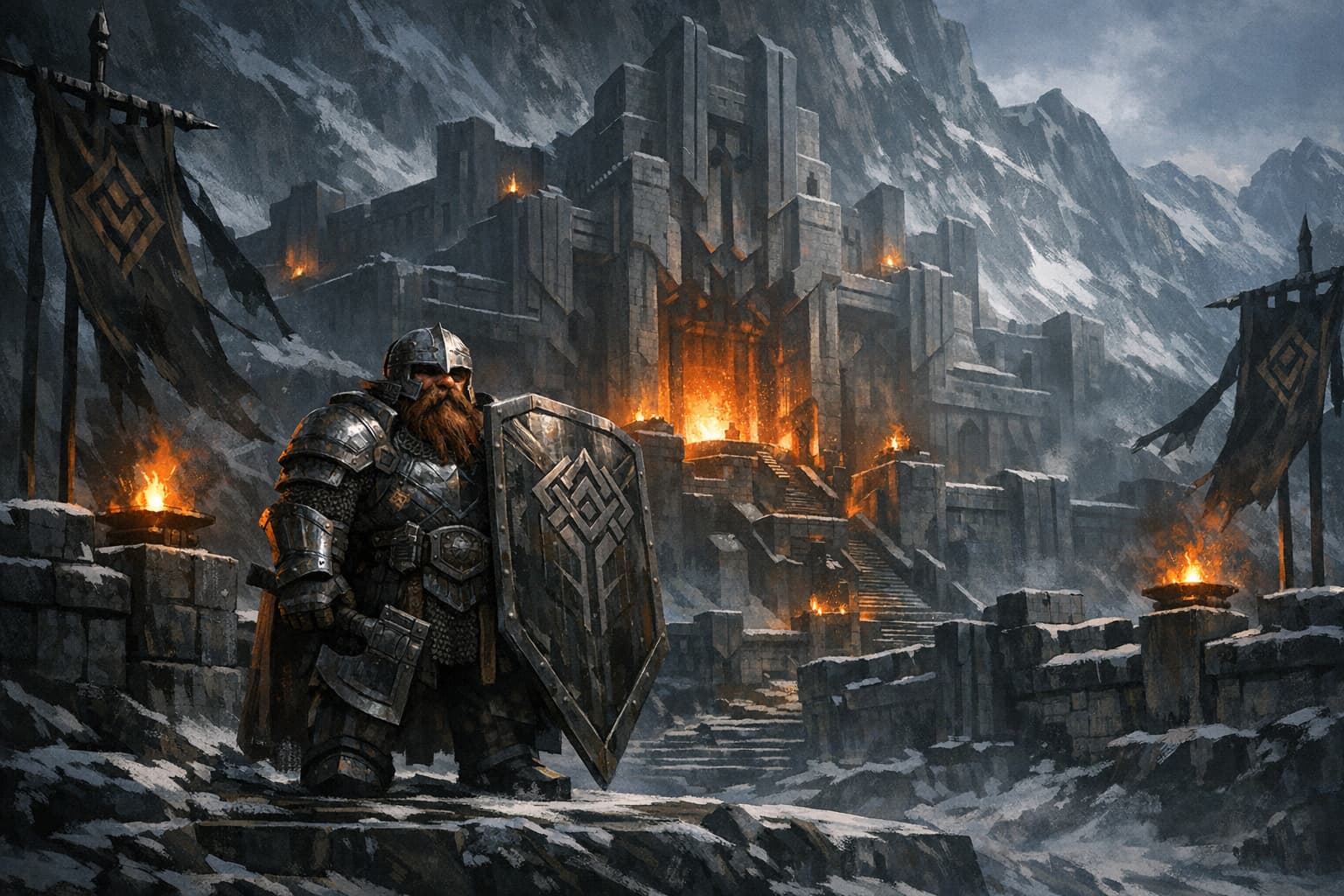 03
Shield Dwarves
Forgotten Realms defenders whose military heritage spans the length of the Sword Coast
Read More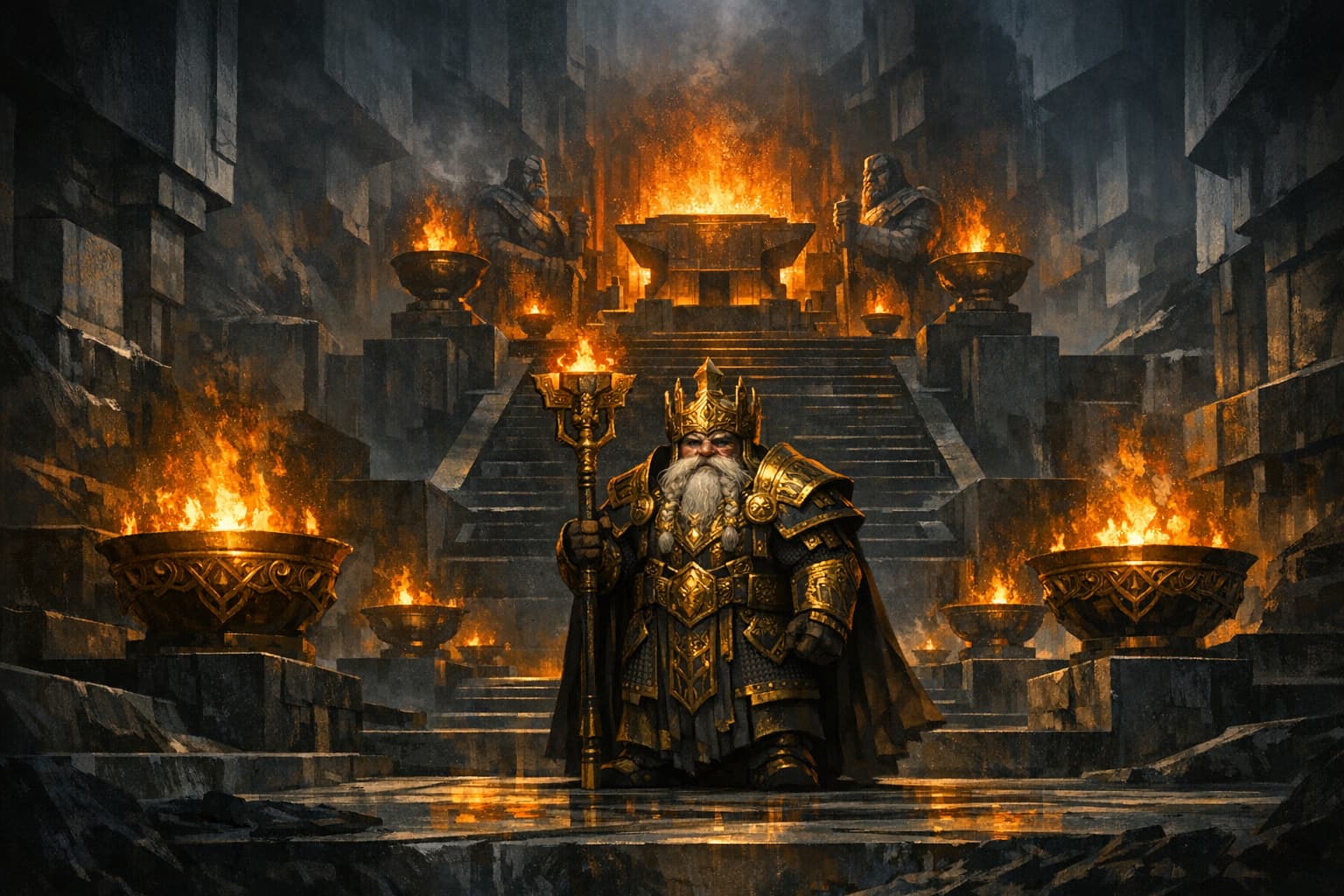 04
Gold Dwarves
Traditionalist rulers of the Great Rift whose wealth and faith define dwarven orthodoxy
Read More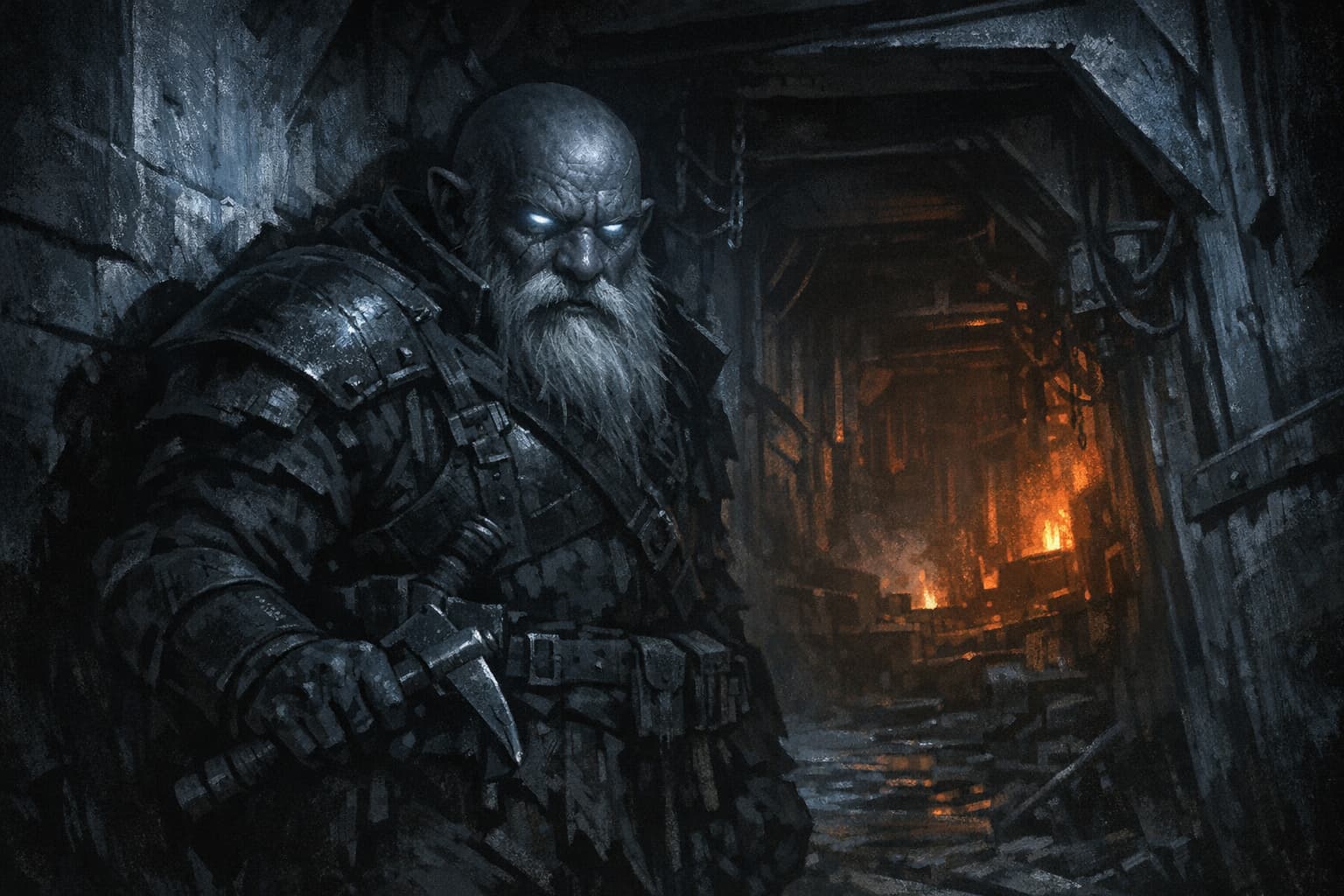 05
Duergar
Underdark survivors forged by psionic enslavement into something harder than the stone around them
Read MoreFAQ
Common Questions
Ground it in specific values rather than general obstinacy. Your dwarf doesn't refuse to change because they're difficult — they refuse because they believe established methods exist for good reasons. Pick two or three principles your dwarf won't compromise on, and be flexible about everything else.
Fighter and cleric are traditional but far from the only options. Artificer maps perfectly onto dwarven craft traditions. Barbarian reflects the berserker warrior tradition. Ranger suits dwarves who patrol the deep roads. Even wizard works — dwarven runic magic is a rich tradition in many settings.
Make it specific rather than generic. Maybe your dwarf respects elven craftsmanship but finds their refusal to use stone insulting. Maybe the rivalry stems from a specific historical incident between your clans. Avoid reducing it to 'I don't like elves because I'm a dwarf' — that's a stereotype, not a character trait.
Three-dimensional thinking. Human cities spread across surfaces; dwarven cities go down. Multiple levels connected by shafts, ramps, and mechanical lifts. Districts organized by function — forges near heat sources, living quarters near water, defenses at every entrance. Temperature and ventilation become engineering challenges that shape architecture.