
Duergar
Underdark survivors whose psionic enslavement forged them into something harder than the stone that imprisoned them
What the Dark Made
Duergar are what happens when you take the most stubborn species in fantasy and subject them to the worst thing imaginable. Enslaved by mind flayers in the deep Underdark, forced into psionic experimentation that reshaped their bodies and minds, the dwarves who became duergar didn't break. They endured. They adapted. And when they finally freed themselves, they built a civilization around the principle that nothing would ever control them again.
This origin story matters because it explains duergar culture without excusing it or condemning it. Duergar societies are harsh, disciplined, suspicious of outsiders, and hostile to anything that threatens their autonomy. These traits aren't evil. They're survival responses encoded into culture across generations. A people who were mind-controlled for centuries have legitimate reasons to value self-determination above all else.
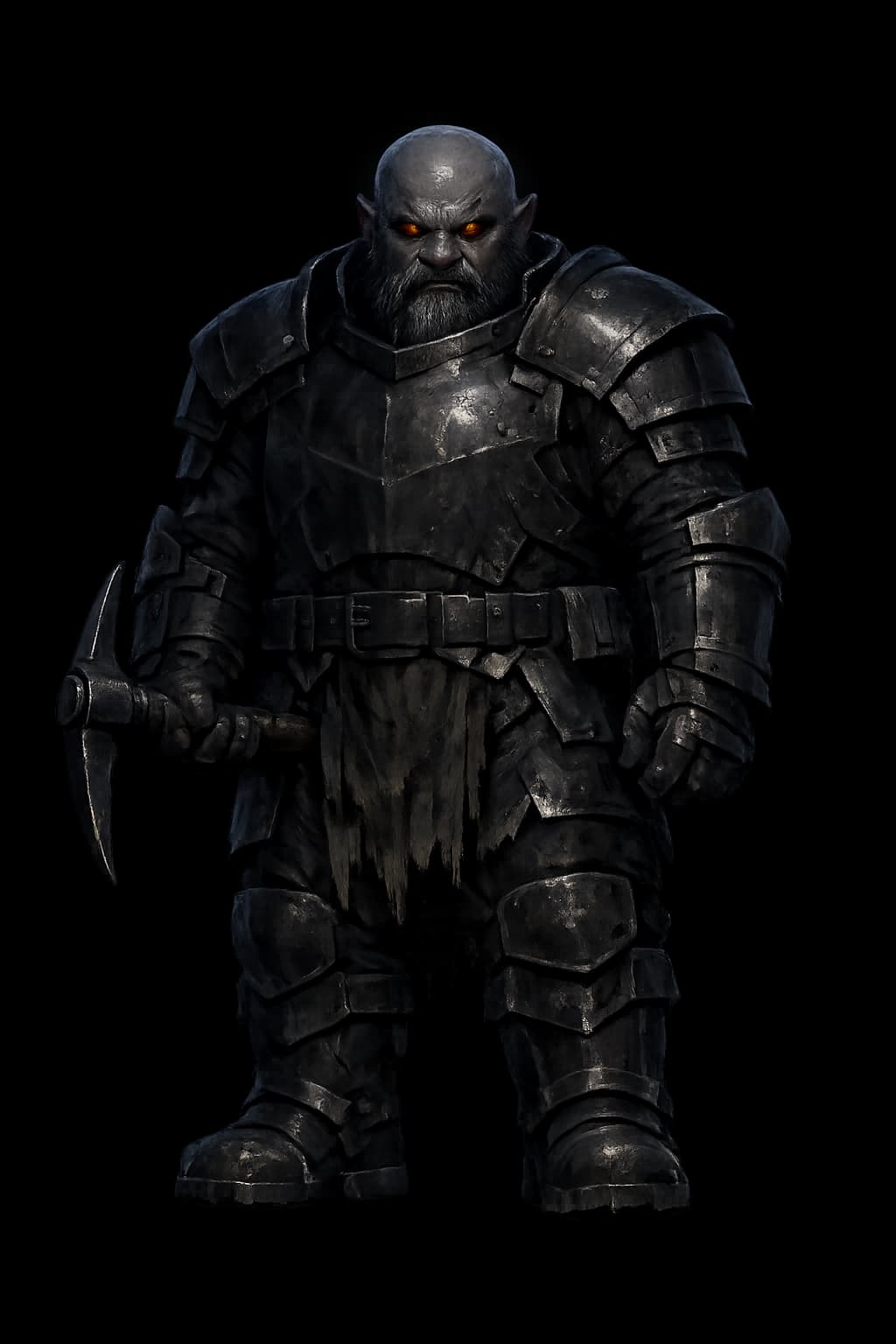
The physical changes are real. Grey skin, resistance to light, psionic abilities that manifested during or after enslavement. Duergar don't look like other dwarves, and they know it. The physical difference serves as a constant reminder of what was done to them, which means duergar identity is inseparable from duergar trauma. You can't be a duergar without carrying the marks of what made duergar exist.
The Psionic Legacy
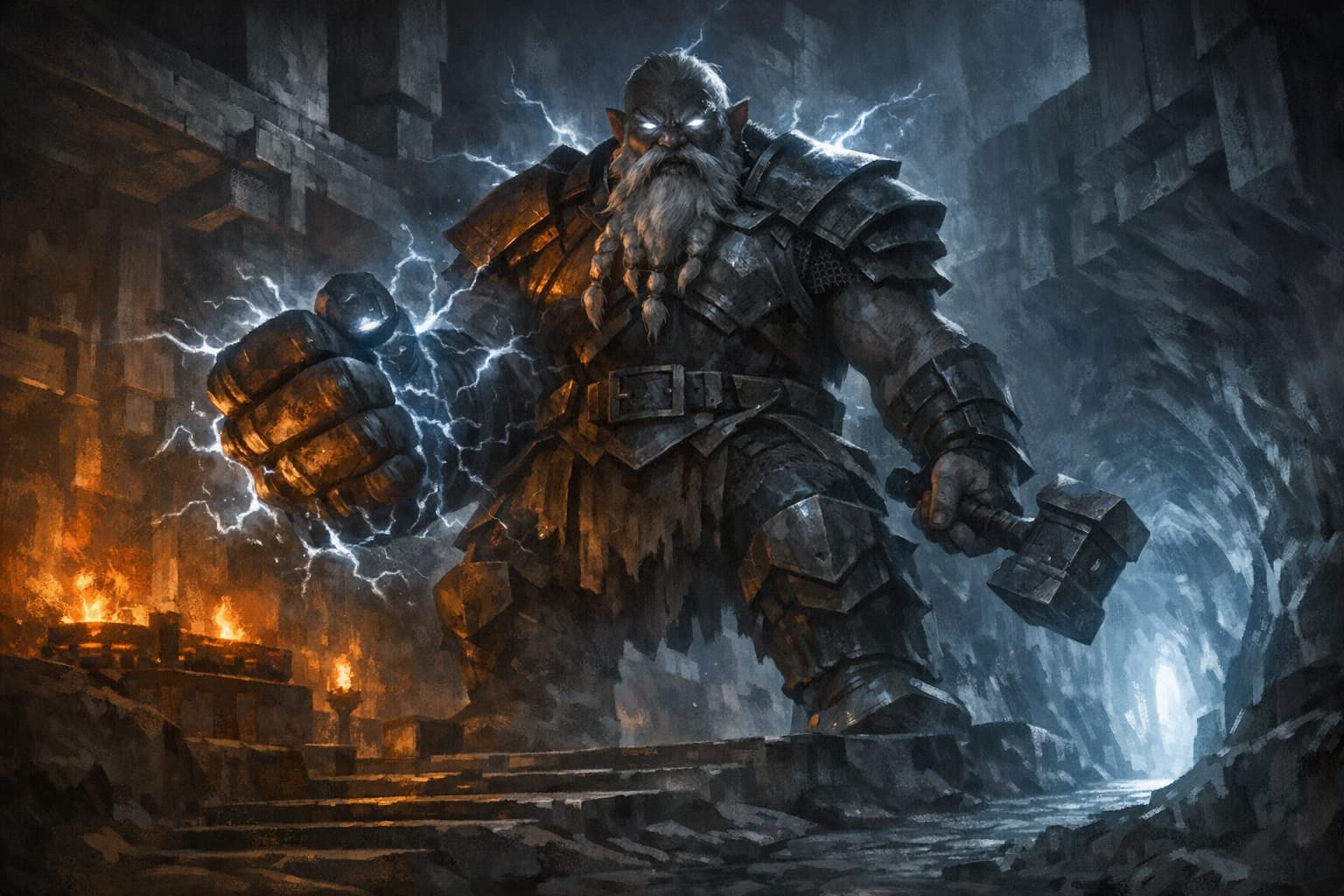
Mind flayer experimentation gave duergar psionic abilities that no other dwarven subtype possesses. Enlargement, invisibility, and resistance to mental effects. These abilities are gifts and scars simultaneously. They're useful. They're also constant reminders of why duergar have them.
Duergar society treats psionics pragmatically. The abilities exist. They provide advantages. Use them. There's no mysticism around psionic power, no reverence, and no shame. Duergar don't celebrate their psionics the way high elves celebrate their magic. They use them the way a soldier uses a weapon they took from a dead enemy: without sentimentality.
The resistance to mental effects is arguably more important than the active abilities. Duergar advantage on saving throws against being charmed, frightened, and stunned reflects a cultural and biological defense against the kind of control mind flayers wielded. A duergar whose mind cannot be easily seized is a duergar who will never be enslaved again. This resistance isn't just mechanical. It's existential.
For players, this means duergar characters have a unique relationship with magic that affects the mind. They don't just resist it mechanically. They resent it philosophically. A duergar who sees a party member cast charm person might have a reaction that goes beyond tactical assessment into genuine moral objection. Mind control is personal for duergar in ways it isn't for anyone else.
Duergar psionics create interesting party dynamics. A duergar character might refuse to benefit from mind-affecting buffs, distrust party members who use enchantment magic, or have visceral reactions to encountering mind flayers that go beyond what "my character has darkvision" style mechanical responses convey.
Discipline, Not Evil
The default assumption in older D&D material is that duergar are evil. The Monster Manual lists them as lawful evil. Adventure modules present them as enemies. Lore describes their cities as miserable places of slave labor and joyless industry. This framing is increasingly recognized as reductive, and for good reason: it flattens a genuinely interesting culture into a one-dimensional antagonist.
What duergar actually are is disciplined. Extremely, uncompromisingly, sometimes painfully disciplined. Their societies demand productivity because idle hands in the Underdark mean death. Their hierarchies are rigid because ambiguity in command structure meant vulnerability during the mind flayer enslavement. Their emotional expression is restrained because showing weakness in the Underdark invites exploitation.
None of this requires evil. A duergar community that's harsh, demanding, and unsympathetic to complaints isn't torturing people for fun. It's maintaining the standards that kept their ancestors alive in an environment that kills the unprepared. The surface dwarf who visits and calls it cruel may be right. The duergar who calls the surface dwarf soft may also be right. Context determines which survival strategy is appropriate.
Playing a duergar as evil-by-default wastes the archetype. Playing them as survivors whose coping mechanisms look frightening from the outside is more honest and more interesting. The duergar character who struggles with the realization that surface life doesn't require Underdark intensity is a richer story than "I'm a gray dwarf and I'm mean."
The tension between discipline and freedom defines duergar identity. Their discipline saved them. It also constrains them. A duergar who loosens up risks vulnerability. A duergar who doesn't risks never knowing anything beyond survival. The negotiation between these extremes is where character growth happens.
Rebuilding After Trauma
Duergar civilization is a post-traumatic culture, and treating it as such opens up storytelling possibilities that the "evil gray dwarves" framing closes off. Their cities, their customs, their rigid social structures: all of it can be read as a people processing collective trauma across generations.
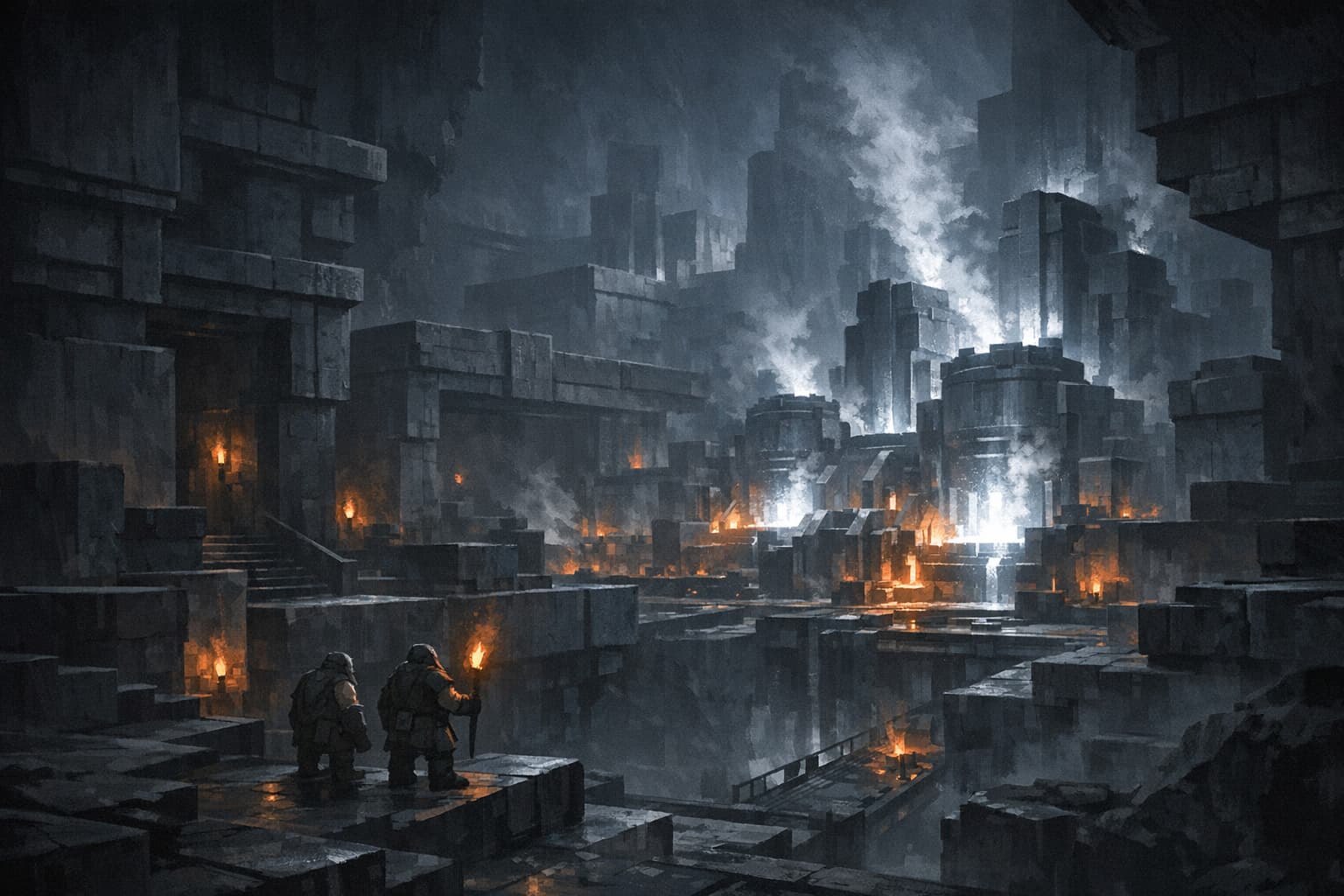
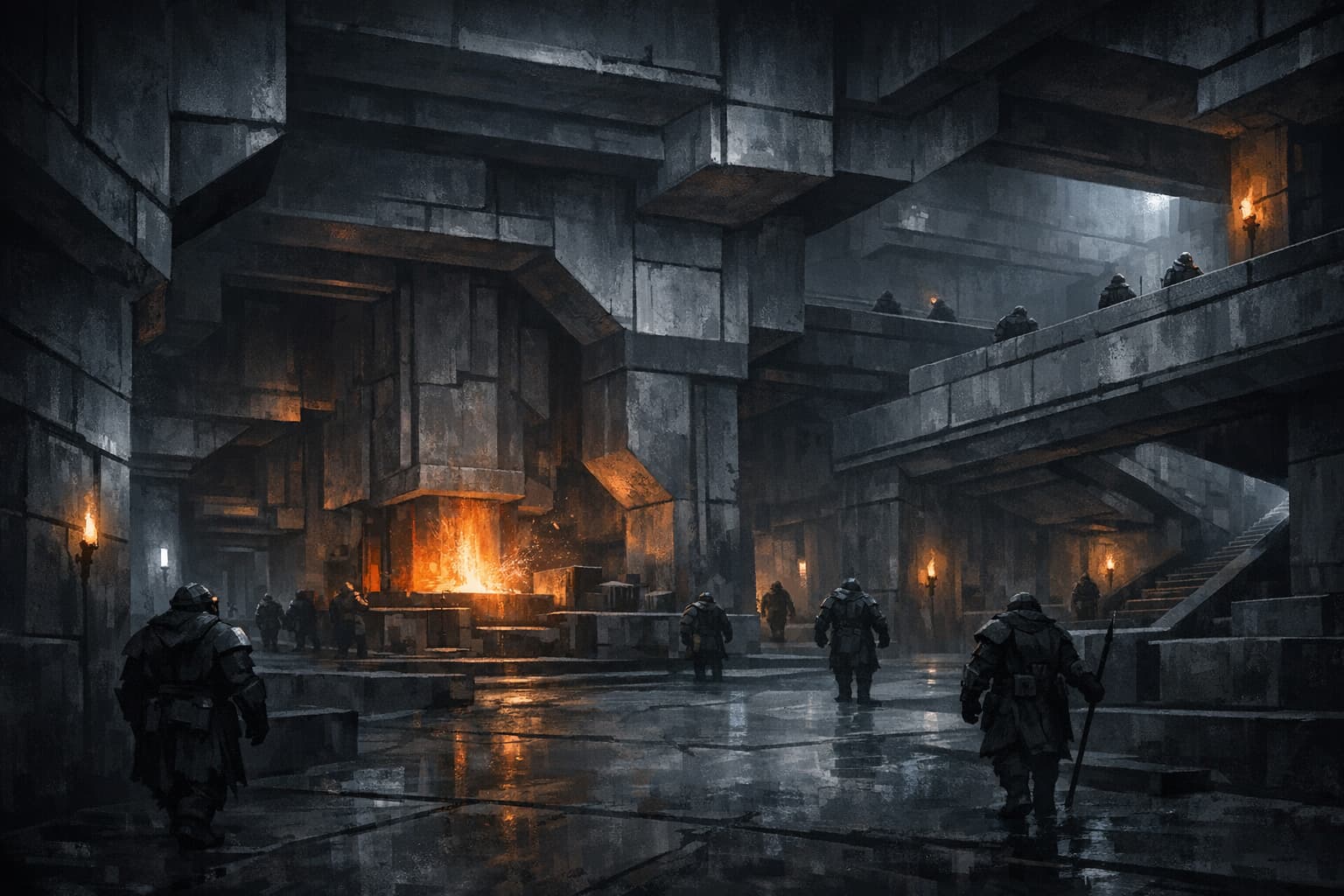
The architecture tells the story. Duergar cities are functional to the point of austerity. No ornamentation. No wasted space. Every corridor serves a purpose. This isn't because duergar lack aesthetic sense. It's because their ancestors spent generations in mind flayer pens where beauty was a luxury that provided no survival advantage. The austerity is cultural PTSD expressed through urban planning.
Their relationship with joy is complicated. Surface observers note that duergar rarely celebrate, rarely laugh, rarely express positive emotions publicly. This gets interpreted as joylessness. A more accurate reading is that duergar internalized the lesson that visible happiness attracts attention, and attention from mind flayers was never good. The joy exists. It's private. Shared only with trusted partners in secure spaces.
Duergar craft traditions reflect the same pattern. Their metalwork is extraordinary but plain. Their engineering is brilliant but undecorated. The work itself is the point, and the work is done with a precision that borders on meditative. A duergar smith at their forge isn't just making a weapon. They're performing an act of self-determination: I choose to make this. No one compels me. The work is mine.
Playing Duergar
A duergar character on the surface is a fish out of water in ways that mountain or hill dwarves aren't. Sunlight is uncomfortable. Open spaces feel exposed. The casual social warmth of surface communities is bewildering to someone raised in a culture where trust is earned through years of demonstrated reliability, not offered freely to strangers.
Build the character around their relationship with their own cultural programming. Does the duergar recognize that their reflexive suspicion is a trauma response? Do they want to change it? Can they? The most interesting duergar characters are the ones who see their cultural values clearly, understand where those values came from, and struggle with which ones to keep and which ones to outgrow.
Give them specific comfort zones and specific triggers. Maybe they're fine with combat, darkness, and physical hardship but panic when someone tries to read their thoughts. Maybe they're productive and reliable in structured situations but freeze when asked to improvise. Maybe they form deep, loyal bonds with party members but express those bonds through acts of service rather than verbal affection.
The class options are broader than you might expect. Fighter and rogue are obvious. But duergar clerics serve gods of labor and endurance. Duergar warlocks might have pacts with entities that offered power during or after enslavement. Duergar psi-warriors (a fighter subclass) channel the psionic legacy directly. Even bard works: duergar have oral traditions that preserve the history of enslavement and liberation, and those stories have power.
Monster Manual to Playable Race
Duergar entered D&D as monsters. The Monster Manual II (1983) presented them as "gray dwarves" who were simply evil underground dwarf-shaped enemies for adventurers to fight. Their psionic abilities, sunlight sensitivity, and resistance to magic were designed to make them challenging opponents, not to support nuanced cultural development.
This monster-first design left traces that subsequent editions have worked to address. The assumption that duergar are inherently evil persisted through multiple editions. Second Edition's Monstrous Manual (1993) expanded their lore but kept the alignment restriction. Third Edition made them a playable race in Expanded Psionics Handbook (2004) but with a significant level adjustment that made them impractical for most campaigns.
The shift toward duergar as a legitimate player option accelerated in 4th Edition, which included them in the Player's Handbook 2 (2009) without alignment restrictions. 5th Edition continued this trajectory with Mordenkainen's Tome of Foes (2018) providing the most sympathetic official treatment of duergar culture to date, and the Monsters of the Multiverse (2022) revision updated their statblock for balanced player use.
The 2024 D&D revision doesn't include duergar as a core race, but the trajectory is clear: duergar have moved from "monster" to "complex playable culture" across four decades, following the same path that drow traveled a decade earlier thanks to Drizzt. The question for the next edition is whether duergar will get their own breakout character or remain the default's less popular alternative.
“Duergar have moved from "monster" to "complex playable culture" across four decades, following the same path that drow traveled a decade earlier.”
— On the duergar publication arc
Publication Timeline
Tracing duergar through D&D publications reveals how a simple monster concept accreted cultural depth over four decades. Each new book added layers without fully resolving the tension between "monster" and "people."
Key Duergar Publication Appearances
| Year | Product | Contribution |
|---|---|---|
| 1983 | Monster Manual II (AD&D) | First appearance as "gray dwarves"; purely antagonistic |
| 1993 | Monstrous Manual (AD&D 2e) | Expanded ecology; slave-taking culture detailed |
| 1996 | Dwarves Deep (FR) | Forgotten Realms context; Underdark city descriptions |
| 2002 | Forgotten Realms Campaign Setting (3e) | Formal Faerûnian integration; history of enslavement expanded |
| 2004 | Expanded Psionics Handbook (3.5e) | First playable duergar with full racial traits |
| 2009 | Player's Handbook 2 (4e) | Full player race without alignment restriction |
| 2018 | Mordenkainen's Tome of Foes (5e) | Most sympathetic official cultural treatment |
| 2022 | Monsters of the Multiverse (5e) | Revised player race statblock; sunlight sensitivity removed |
The removal of sunlight sensitivity in MotM was a significant design choice, decoupling duergar from a mechanical penalty that had limited their playability since 1983.
Duergar in Video Games
Duergar appear in CRPGs primarily as enemies, reflecting their Monster Manual origins. The Baldur's Gate series uses them as Underdark antagonists. Icewind Dale II features significant duergar encounters. In most implementations, they're mechanically tougher dwarves who happen to live underground and attack on sight.
Baldur's Gate 3 (2023) represents the most nuanced CRPG treatment. The game's Underdark sequences include duergar NPCs with distinct personalities, motivations, and the capacity for non-hostile interaction. The Grymforge section specifically presents duergar engaged in a massive excavation project, showing their engineering capabilities and social dynamics rather than just their combat abilities.
The Neverwinter MMO (2013–present) includes playable duergar and represents the largest ongoing video game engagement with the culture. The game's treatment follows 4th Edition's more sympathetic approach, presenting duergar as a playable faction with their own storylines rather than exclusively as antagonists. The Underdark zones in Neverwinter show duergar cities as functional communities, not just monster lairs.
For tabletop inspiration, the key takeaway from video game implementations is that duergar work best when their environment is hostile enough to justify their cultural intensity. Games that place them in appropriately dangerous Underdark settings make their discipline feel necessary rather than arbitrary. Games that drop them into generic dungeon contexts waste the archetype.
- Superior Darkvision 120 ft.
- Duergar Resilience (advantage vs. illusions, charmed, paralyzed)
- Duergar Magic (Enlarge/Reduce at 3rd, Invisibility at 5th)
- Sunlight Sensitivity (disadvantage on attacks/Perception in sunlight)
The MToF version kept sunlight sensitivity, making duergar mechanically challenging for surface campaigns. Enlarge and Invisibility provided unique tactical options no other dwarf could match.
- Darkvision 120 ft.
- Duergar Resilience (advantage vs. charmed, stunned, poisoned)
- Psionic Fortitude (advantage on saves vs. being stunned)
- Duergar Magic (Enlarge/Reduce and Invisibility, each 1/long rest)
The MotM revision removed sunlight sensitivity and decoupled ability scores from race, making duergar fully viable for surface campaigns without mechanical penalty.
Related
Other Dwarven Kindred
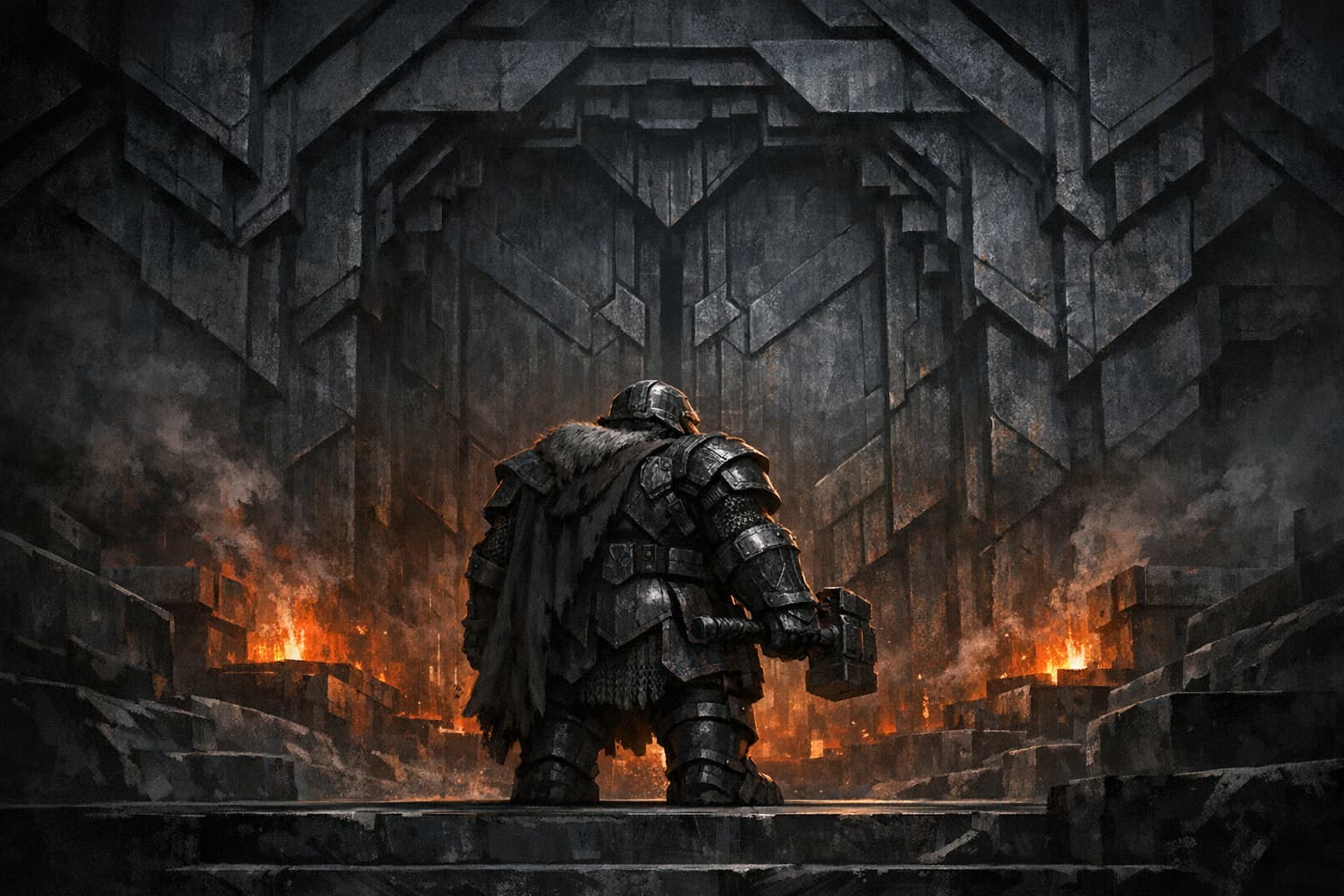 01
Mountain Dwarves
Fortress builders whose kingdoms endure inside living rock, measured in millennia rather than centuries
Read More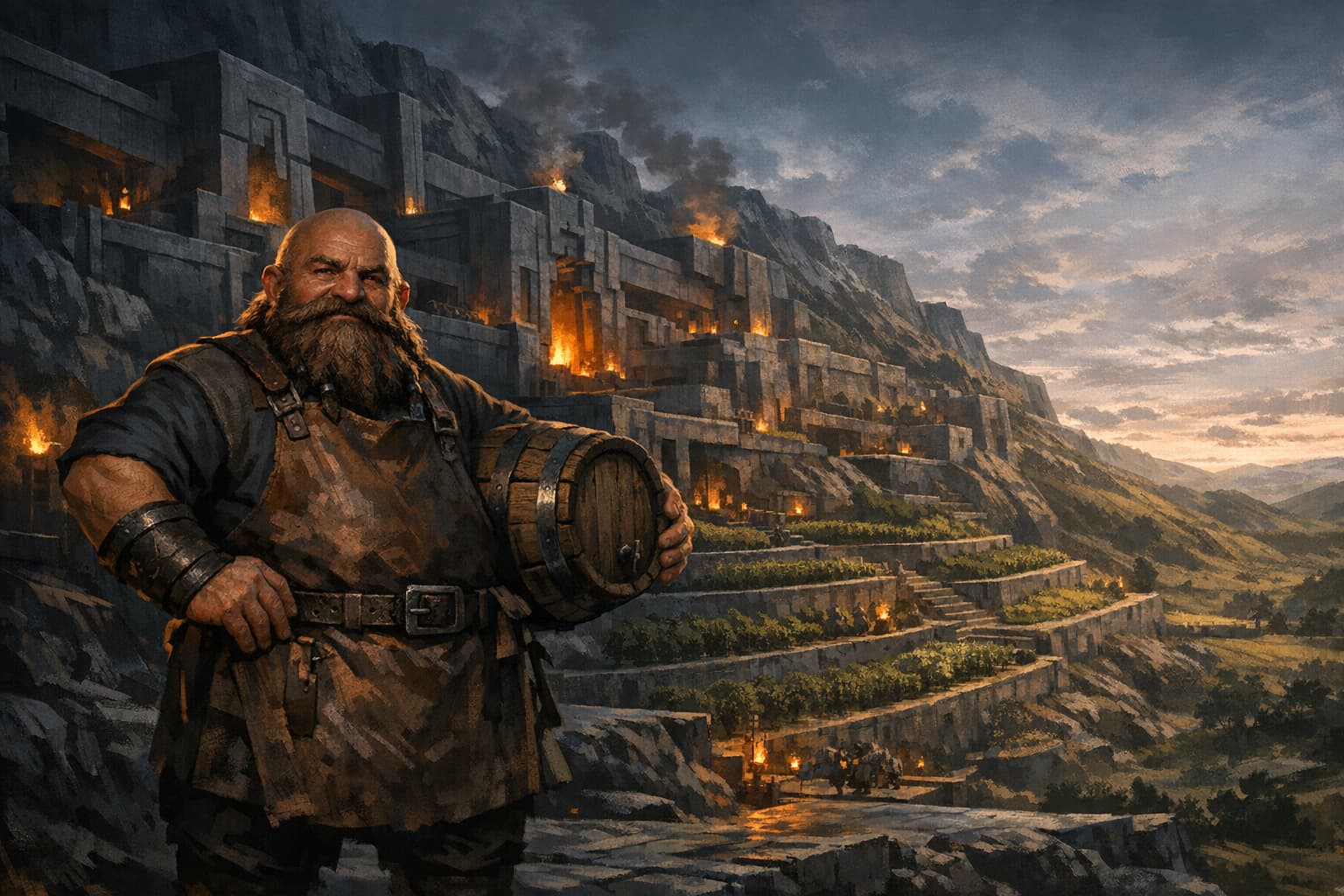 02
Hill Dwarves
Surface-oriented communities whose resilience comes from open skies and deep roots in the land
Read More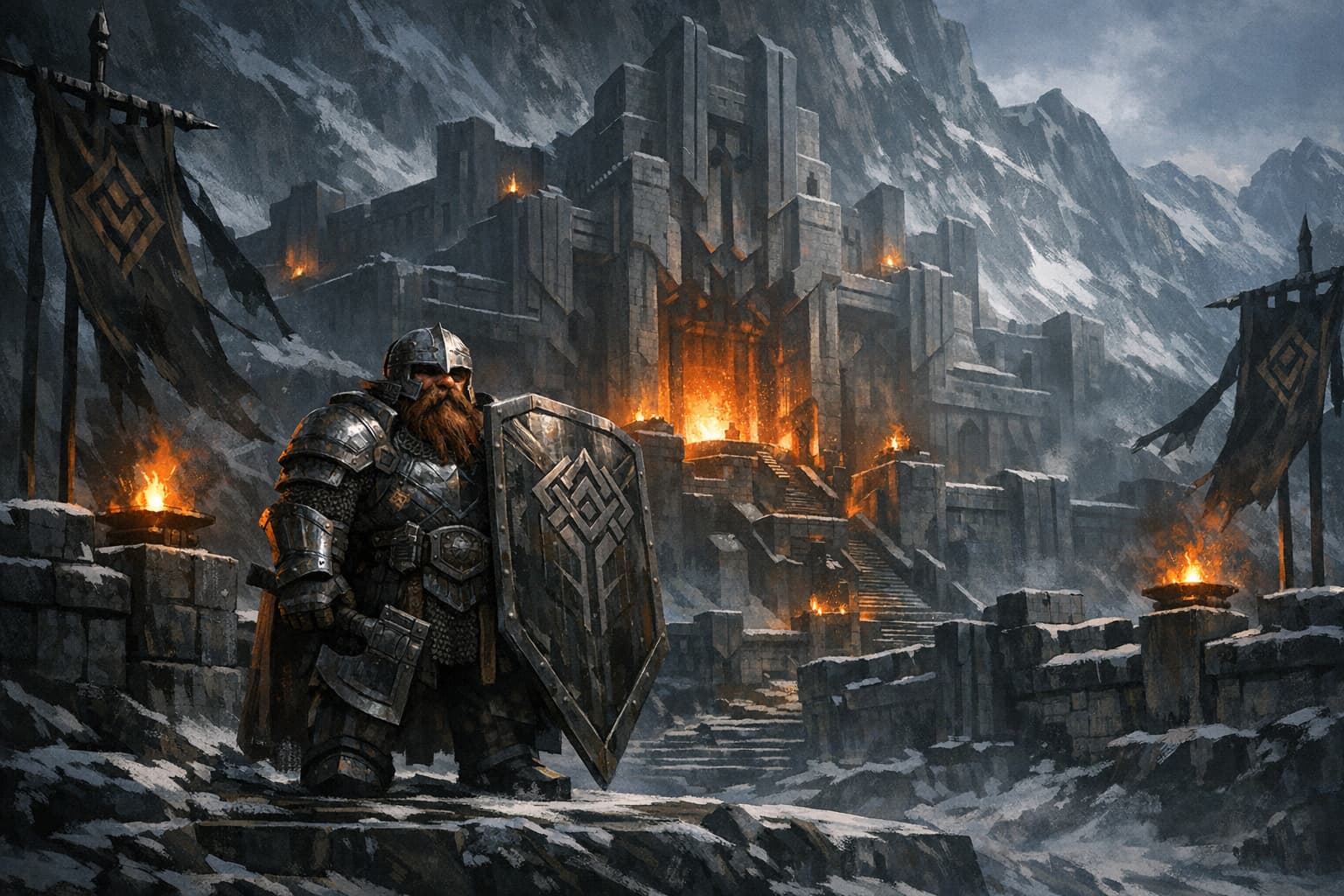 03
Shield Dwarves
Forgotten Realms defenders whose military heritage spans the length of the Sword Coast
Read More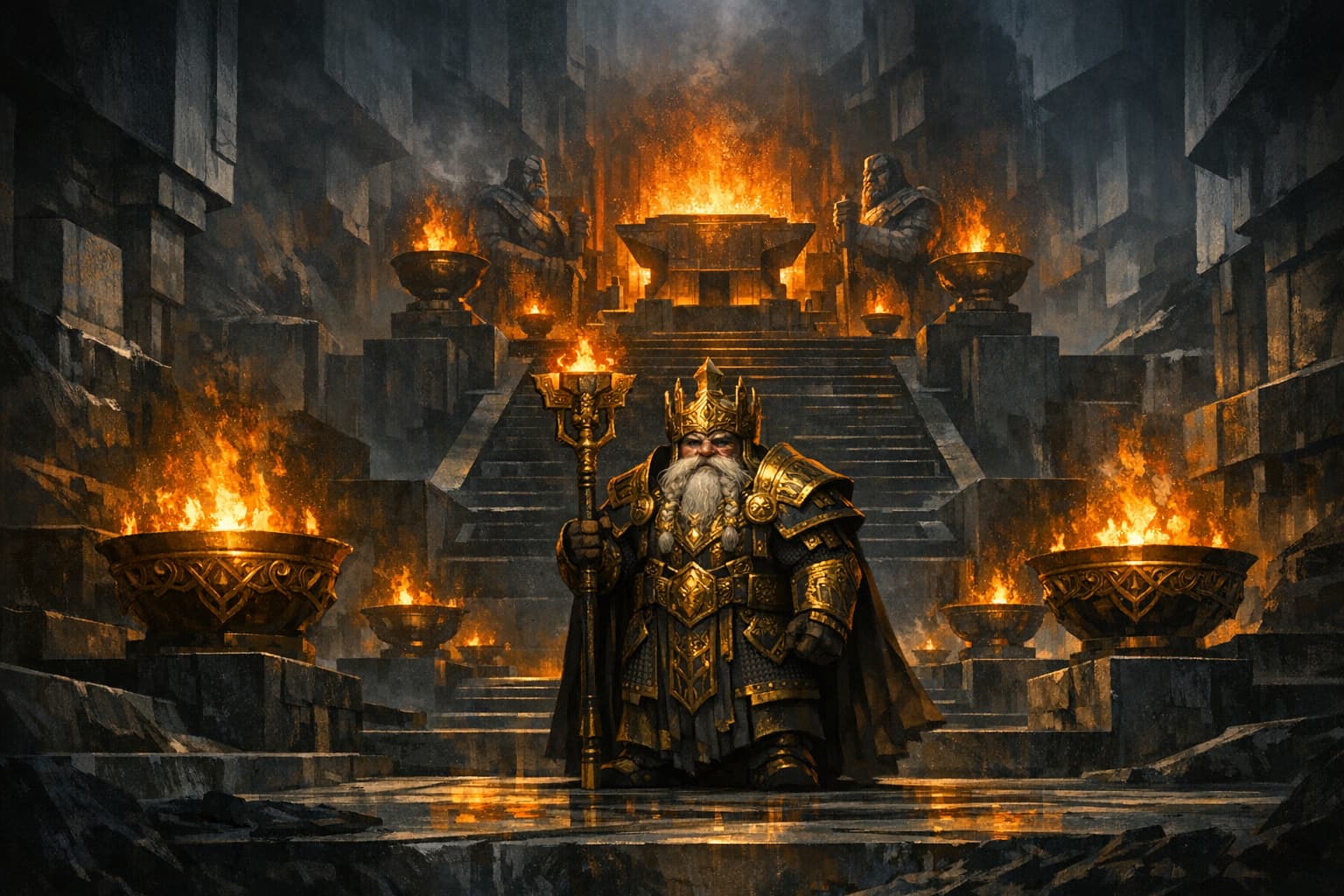 04
Gold Dwarves
Traditionalist rulers of the Great Rift whose wealth and faith define dwarven orthodoxy
Read MoreFAQ
Common Questions
In older D&D editions, duergar were listed as lawful evil. Modern D&D has moved away from racial alignment, and the 2022 Monsters of the Multiverse revision removes alignment from all races. A more useful frame: duergar are harsh, disciplined, and suspicious of outsiders because their history includes psionic enslavement. These traits can manifest as cruelty but also as fierce loyalty, unbreakable determination, and a commitment to freedom that surface dwarves don't share.
The 2022 Monsters of the Multiverse revision removed sunlight sensitivity entirely, so use that version. If using the older Mordenkainen's Tome of Foes version, work with your DM: perhaps your duergar has adapted through surface exposure, or uses tinted goggles and hooded cloaks. The sensitivity shouldn't prevent you from playing the character; it should add flavor to how they navigate the surface world.
Focus on behavioral consequences rather than narrating suffering. Your duergar doesn't monologue about enslavement. They flinch when someone casts detect thoughts. They volunteer for watch duty because sleeping while others are awake feels vulnerable. They form fierce loyalties to party members who prove trustworthy. Let the trauma show through actions and reactions, not exposition.
It depends on the specific dwarves and the specific duergar. There's cultural distance born from millennia of separation and fundamentally different experiences. Surface dwarves may be wary of duergar psionics and Underdark customs. Duergar may find surface dwarves naive and soft. But shared ancestry provides common ground, and individual relationships can bridge cultural gaps that political ones can't.