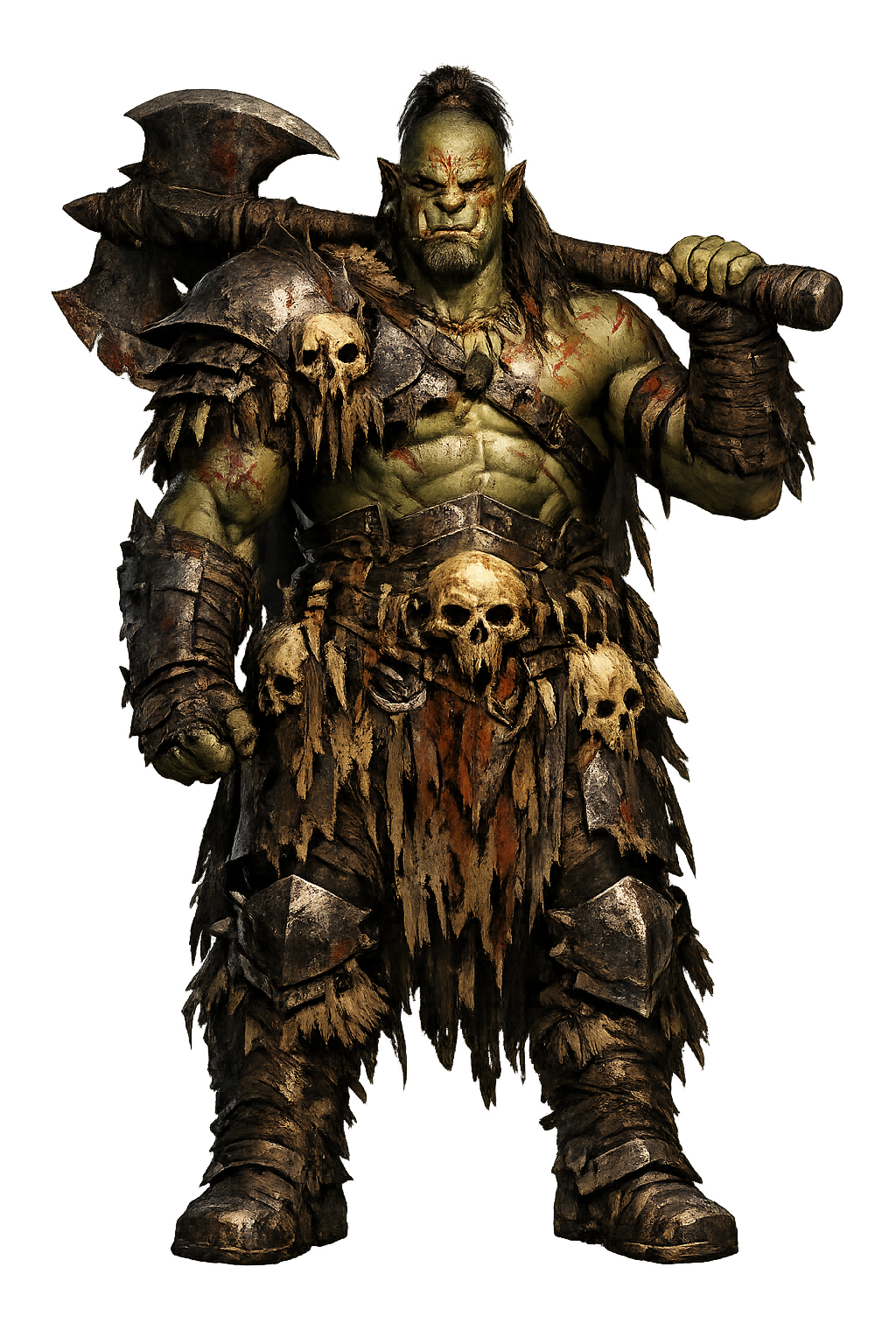
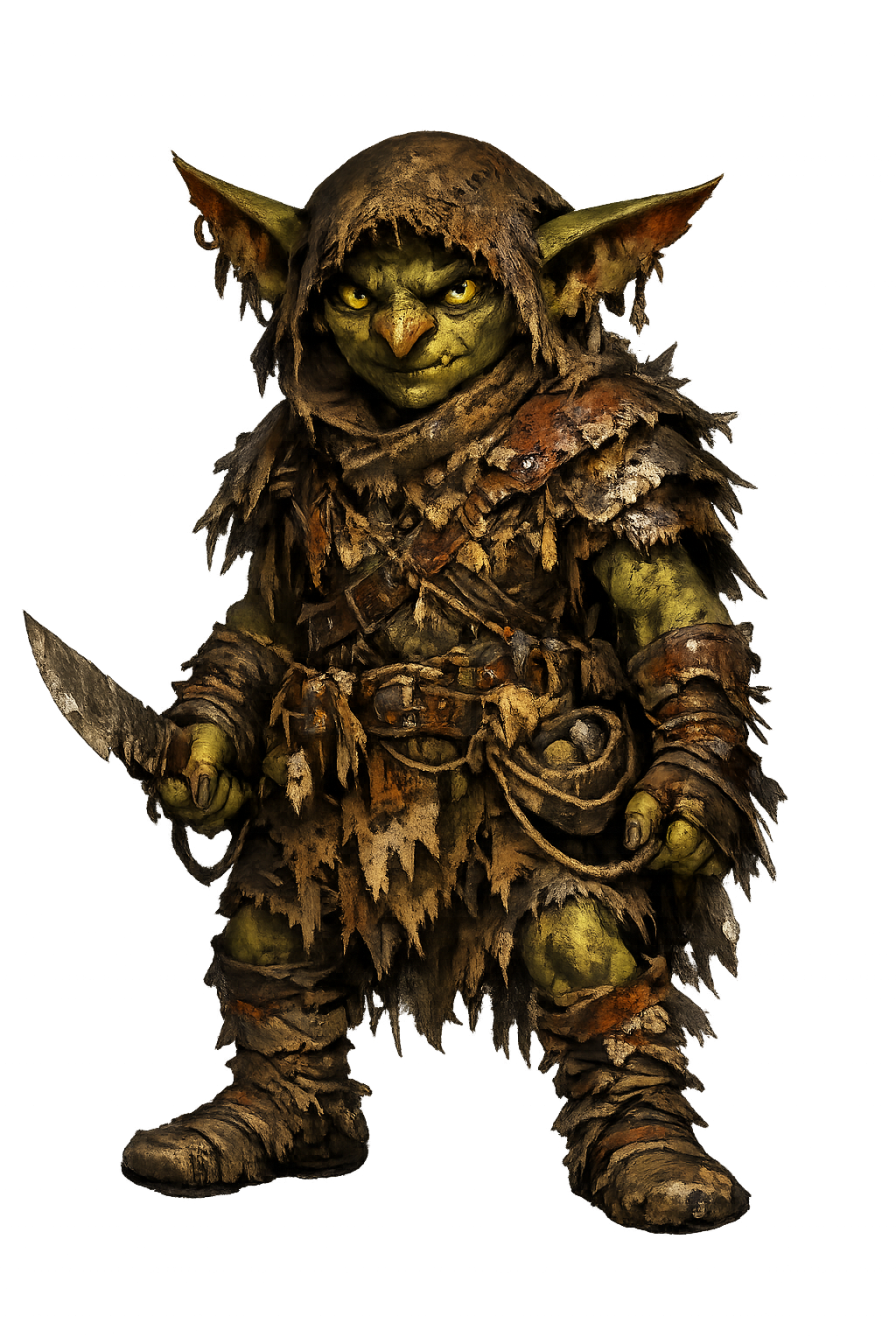
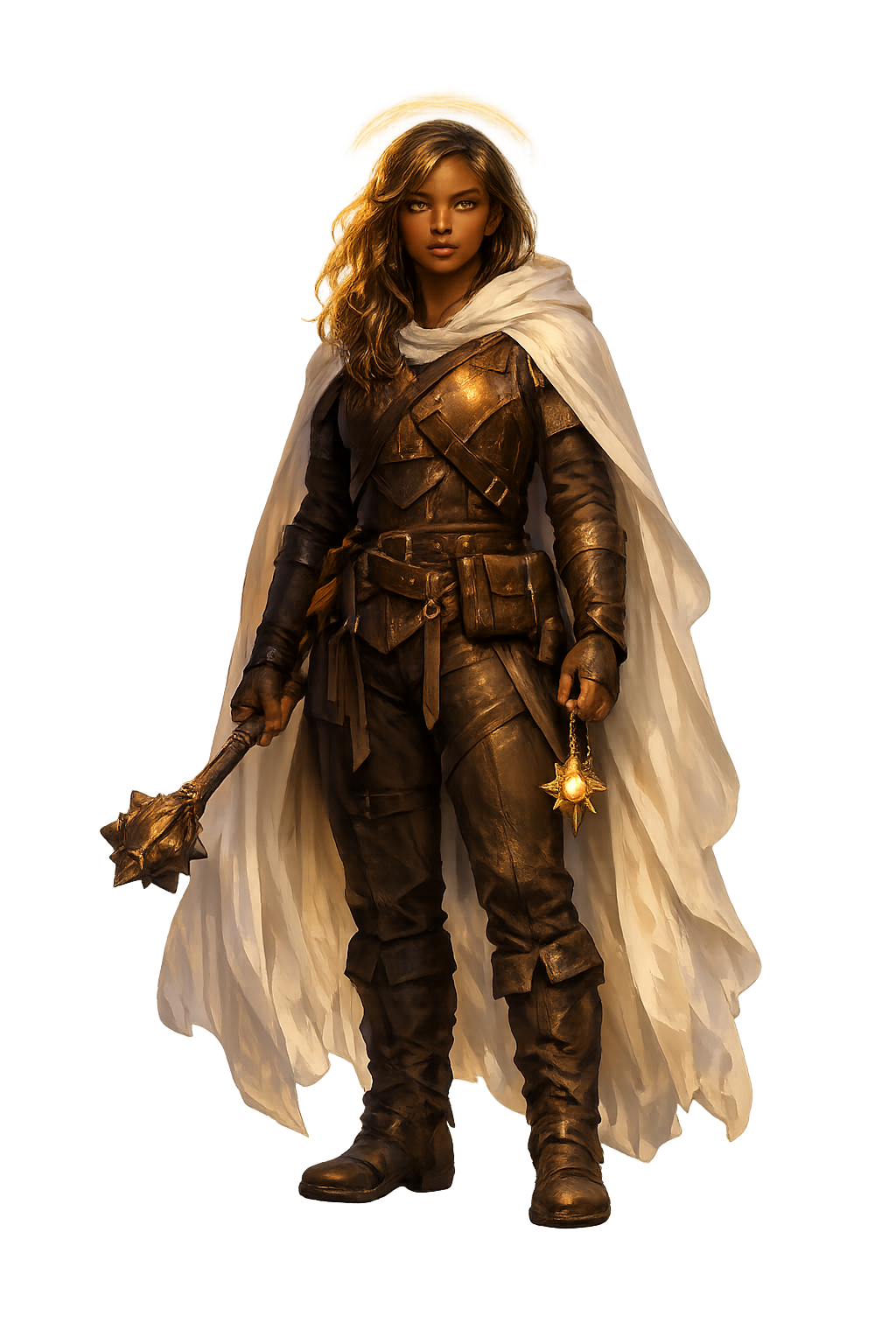
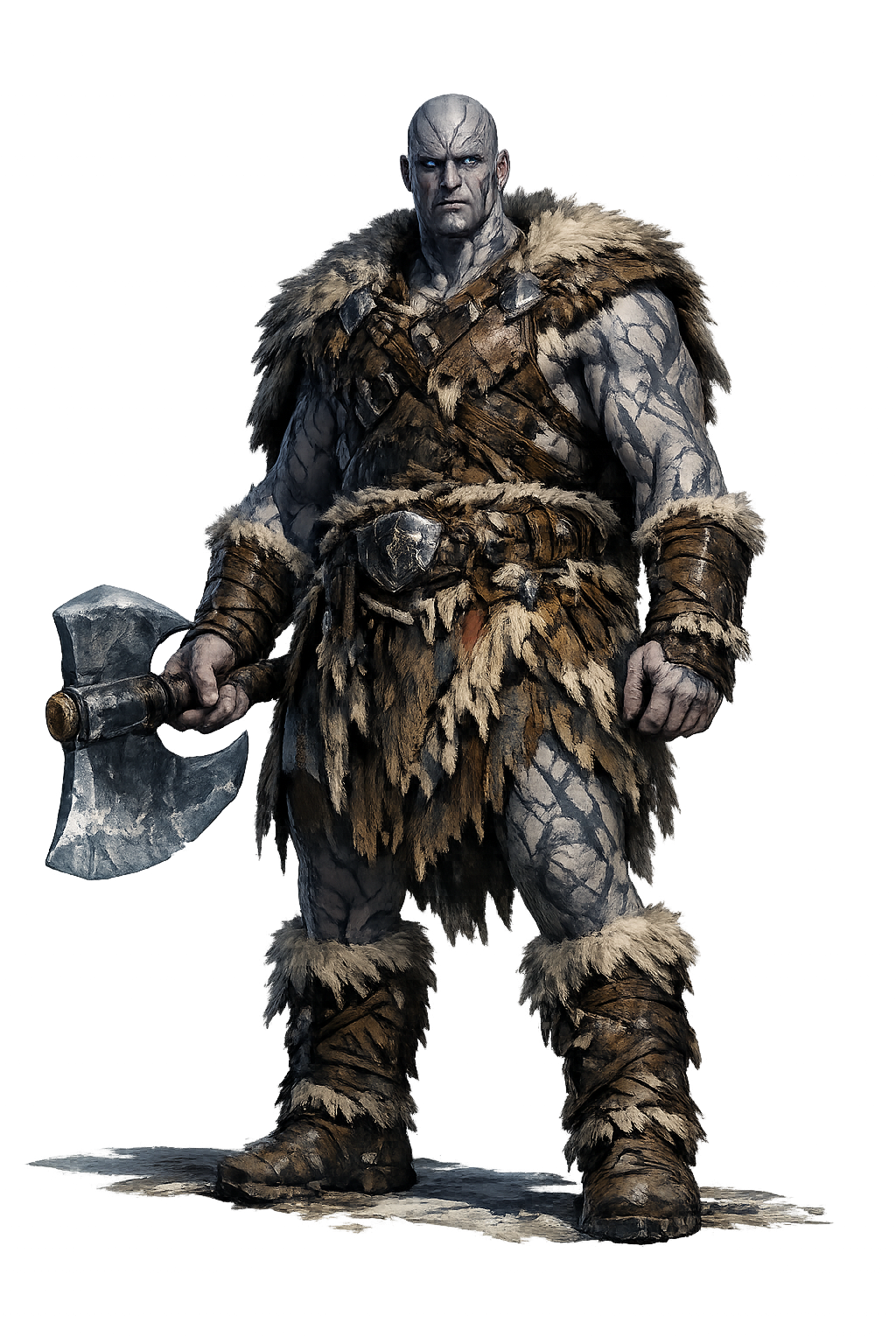
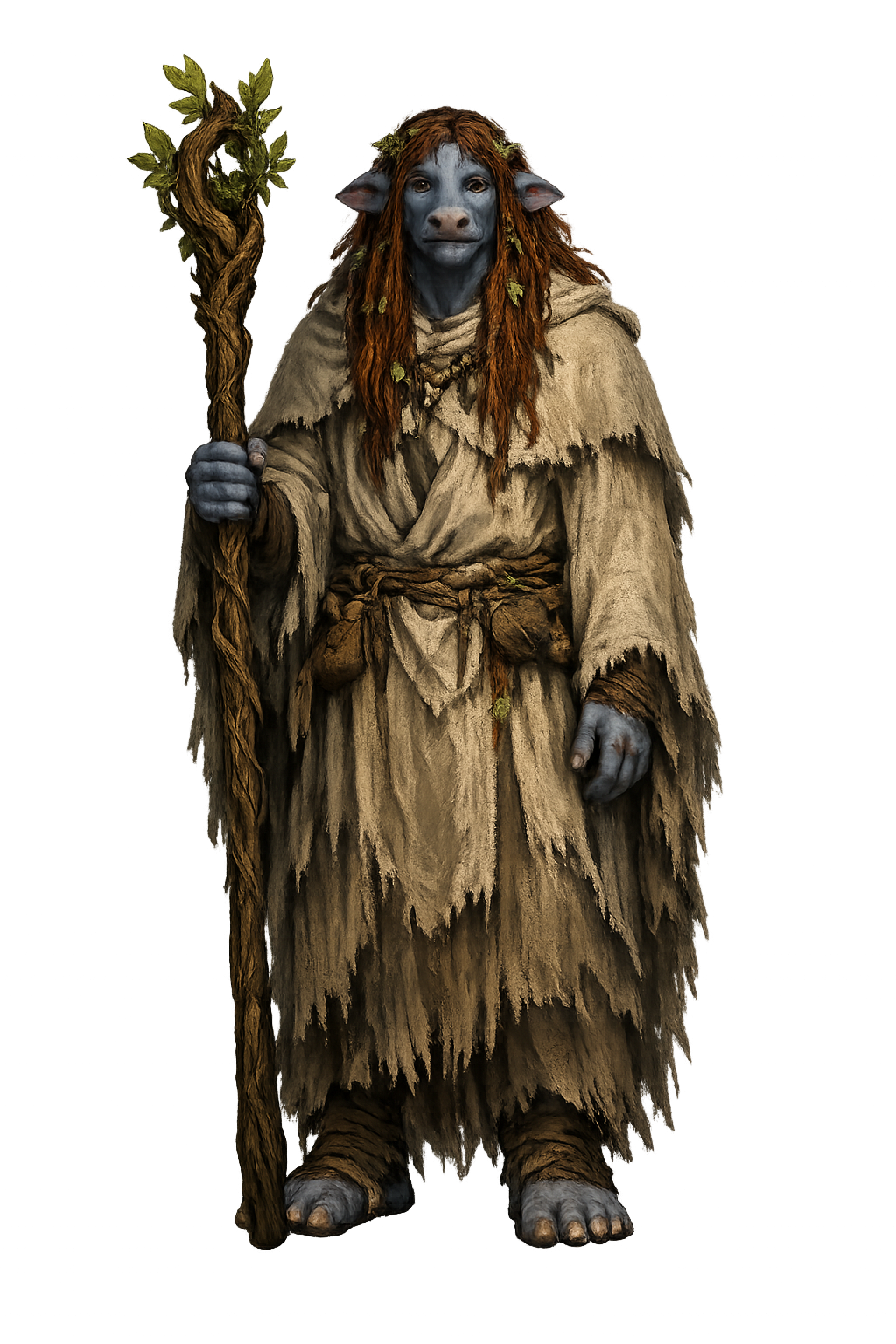
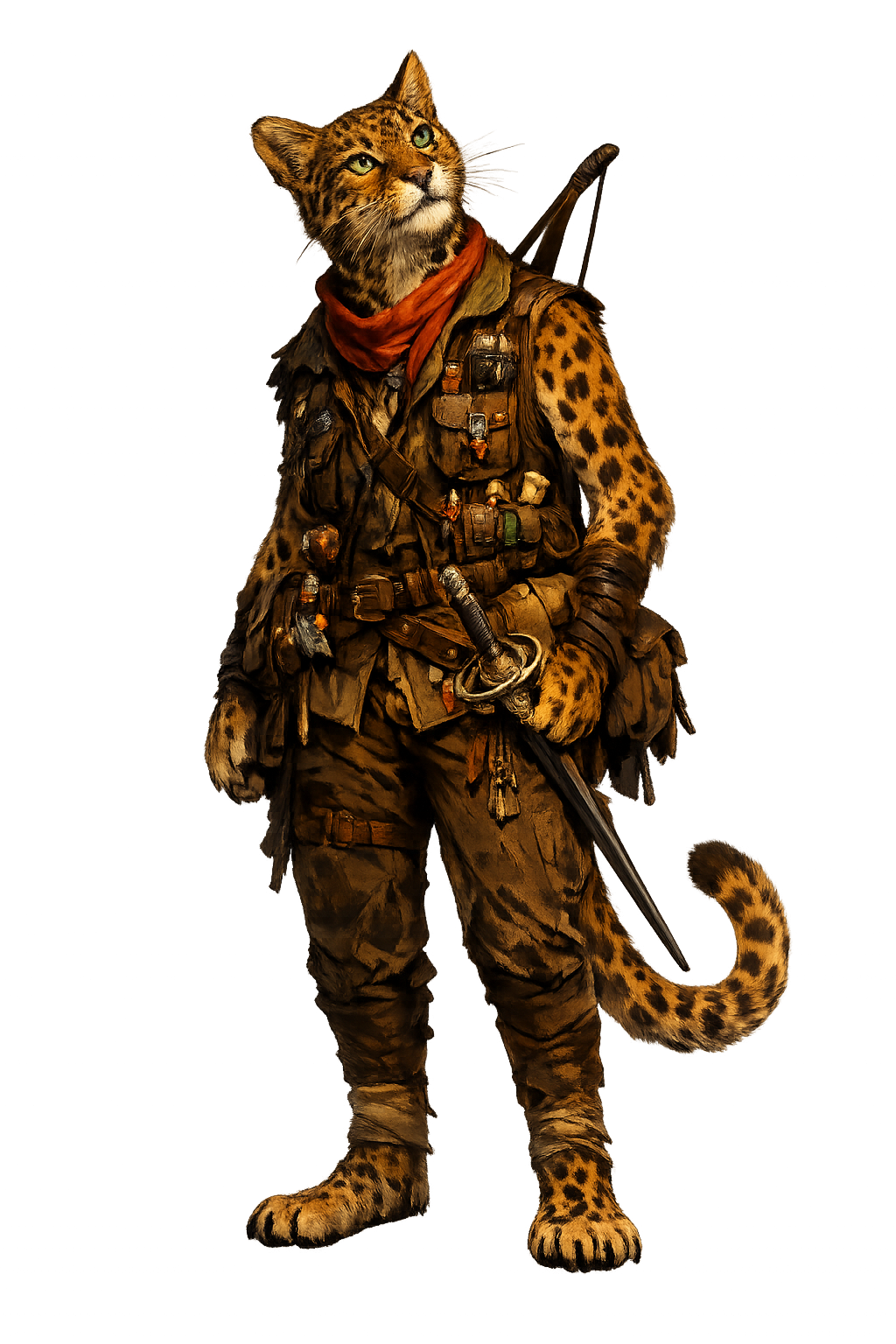
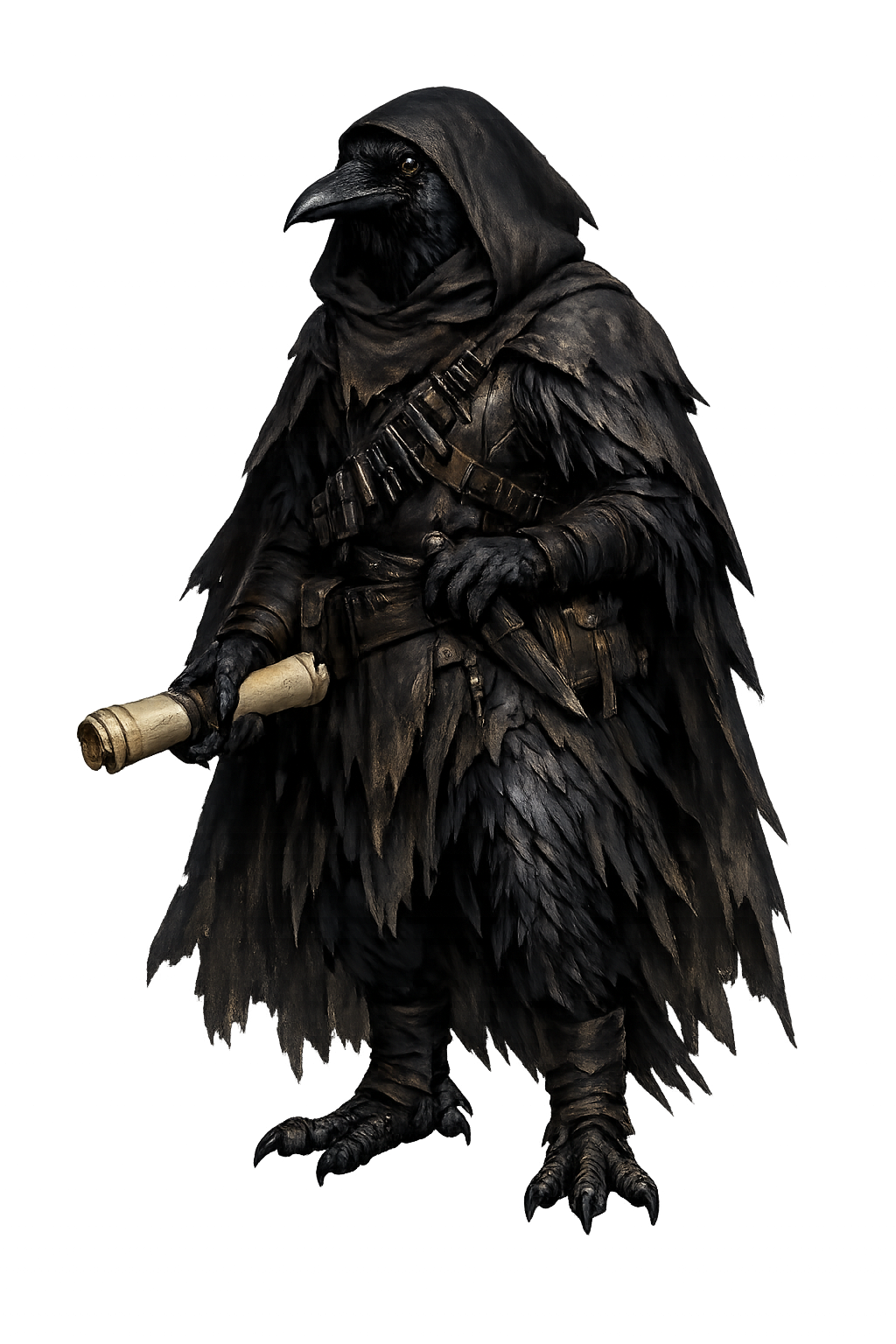
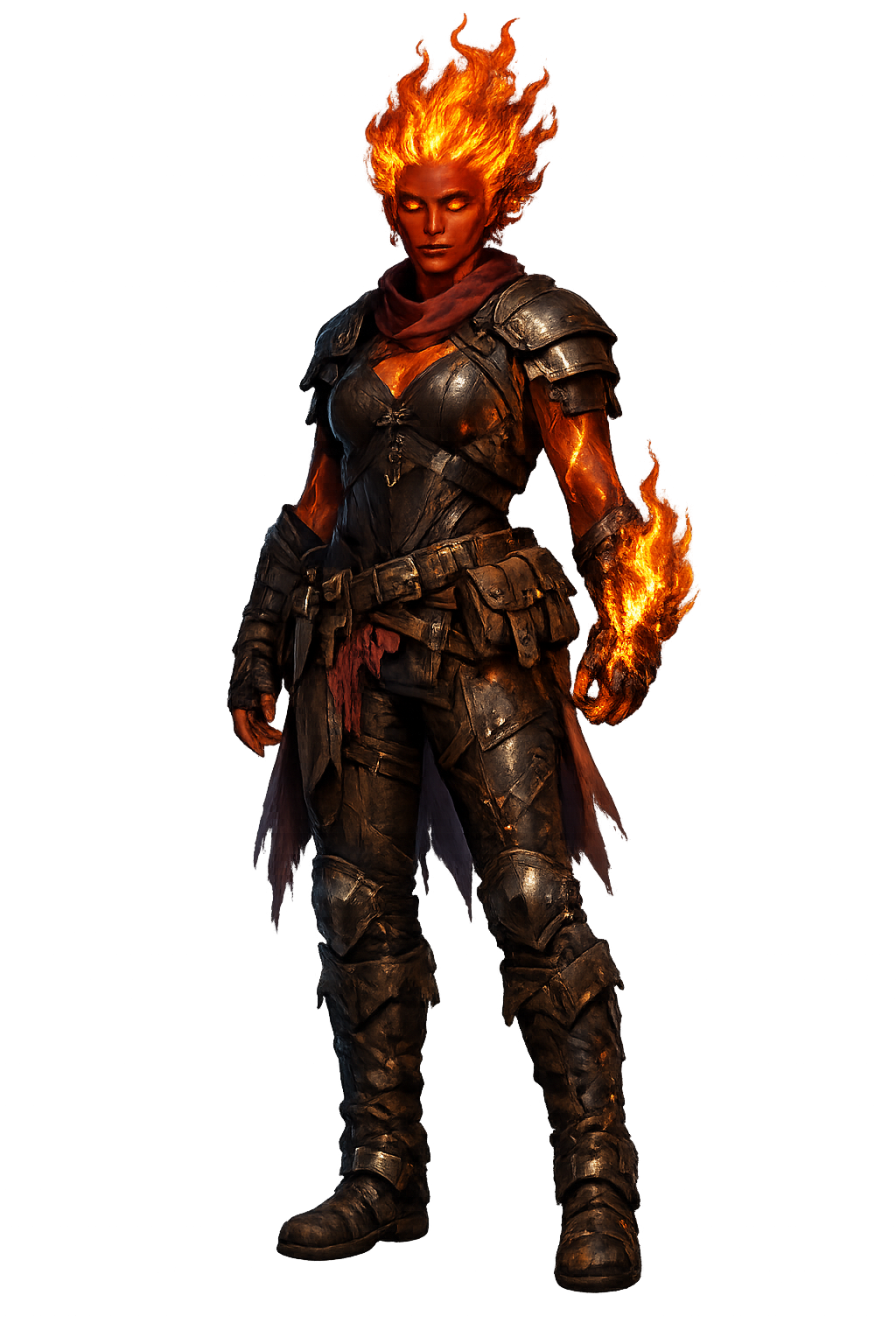
The worst thing to happen to fantasy species was reducing them to mechanical packages. Pick elf, get +2 Dexterity and darkvision. Pick dwarf, get poison resistance and a hammer. The mechanical benefits became the species, and everything else became flavor text nobody reads.
This approach fails because it treats species as costumes worn over interchangeable characters. The elf ranger plays identically to the human ranger except for a few situational bonuses. The dwarf fighter differs from the half-orc fighter mainly in which saves they're better at. Species become optimization choices rather than worldview choices.
Real species design starts from culture, not biology. What do these people believe? How do they organize their lives? What do they want that other peoples don't understand? The mechanical traits should emerge from these questions, not precede them.
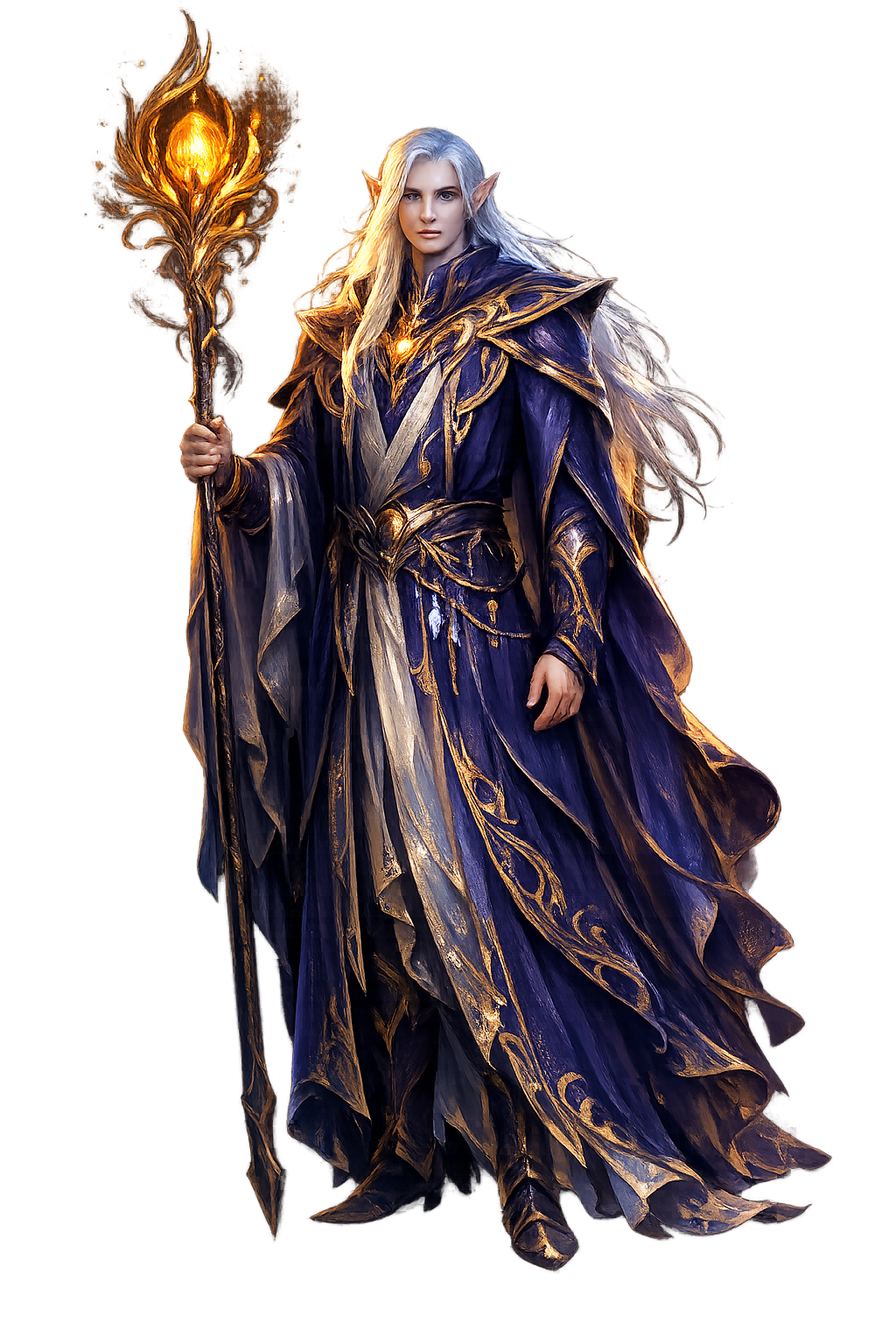
An elf who lives for centuries doesn't just get a lifespan notation on their character sheet. They've watched friends age and die repeatedly. They measure time differently. They plan on scales that seem absurd to humans. This psychological reality matters more than any stat bonus because it changes how the character thinks and acts.
The Monoculture Trap
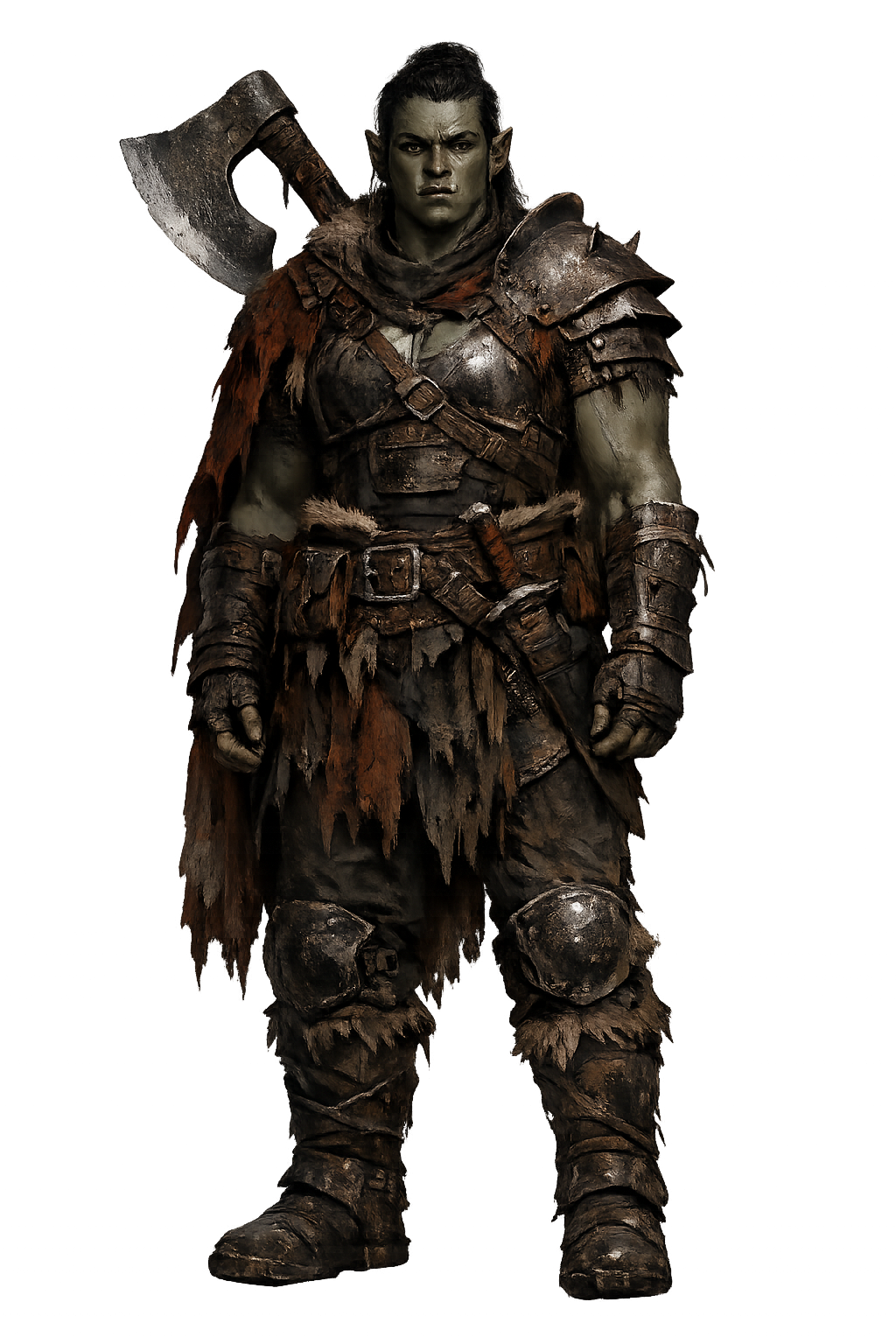
Fantasy worlds love to declare that all dwarves are gruff craftsmen who live underground and distrust magic. All elves are graceful nature-lovers who look down on shorter-lived races. All orcs are violent warriors with tribal cultures. One species, one personality, one set of values.
This fails for the same reason declaring that all humans are identical would fail. A Japanese businessman, a Maasai herder, and a Brazilian fisherman share a species but almost nothing else in terms of daily life, values, or worldview. Why would fantasy species be different?
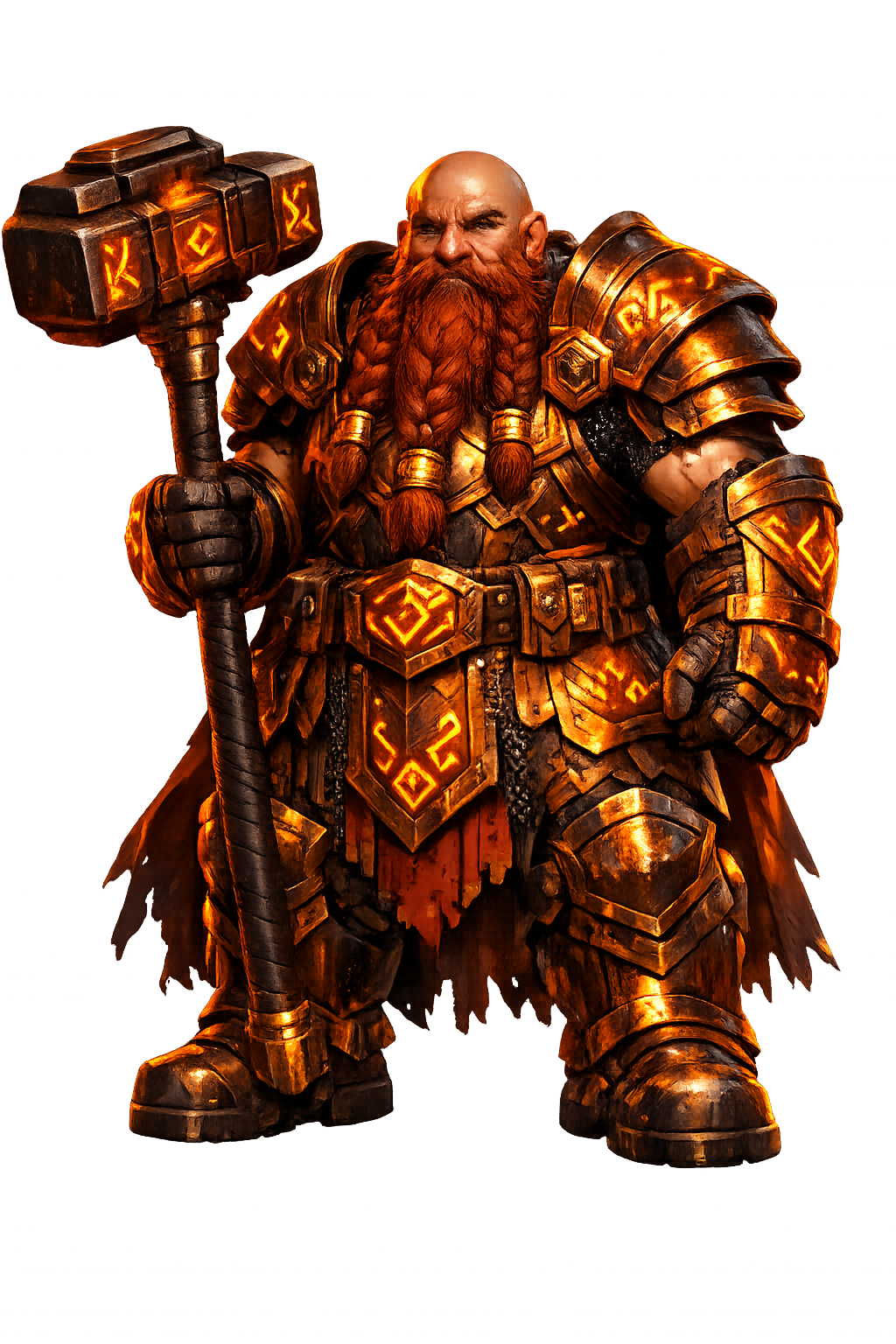
Dwarven cultures should vary as much as human ones. Mountain dwarves who've never seen the sun differ from dwarves who settled in surface cities generations ago. Conservative clans who maintain ancient crafting traditions clash with progressive ones who've adopted new techniques. Dwarves from wealthy trade cities look down on rural dwarves from played-out mines. The species provides a baseline; geography, history, and circumstance create the actual cultures.
This matters for gameplay because monocultures produce boring interactions. If you've met one elf, you've met them all, so why bother with elven NPCs beyond the first? But if elven cultures vary dramatically, with coastal elves who've adopted human seafaring ways and isolationist forest elves who kill trespassers on sight, every elven encounter becomes an opportunity to learn something new about the world.
Build at least three distinct cultures for any species that matters to your campaign. Give them different values, different relationships to other peoples, and different internal conflicts. The species becomes a family of cultures rather than a single monolith.
Biology That Matters
Species biology should create gameplay differences that players feel during sessions, not just bonuses they add during character creation and then forget.
Elven longevity matters when the party's elf recognizes the "ancient" artifact as something they saw made fifty years ago. It matters when they mention having met a human NPC's grandmother. It matters when they display patience that seems pathological to their human companions because they genuinely don't experience waiting the same way.
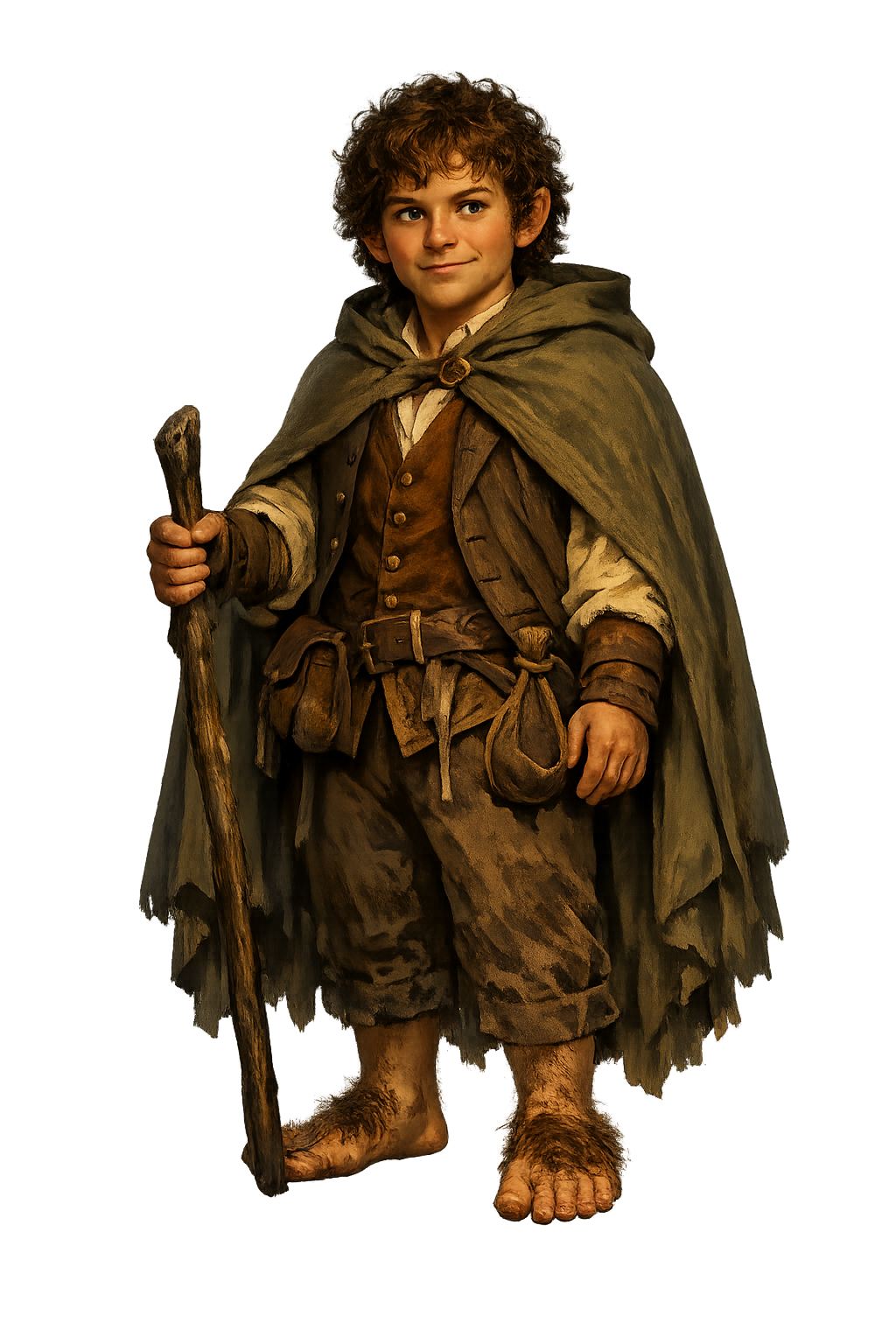
Darkvision matters when the party must decide whether to light torches that announce their presence or let the dwarf navigate for everyone else. Halfling size matters when they can squeeze through gaps others can't, or when they need help reaching things on high shelves. These aren't just mechanical toggles but lived experiences that affect how characters interact with the world.
The best biological traits create interesting problems rather than just solving them. Sure, the elf can see in darkness, but their eyes are sensitive to sudden bright light. The dwarf is resistant to poison, but their dense bones make swimming difficult. The orc is physically powerful, but their metabolism demands more food. Tradeoffs make species feel real rather than optimized.
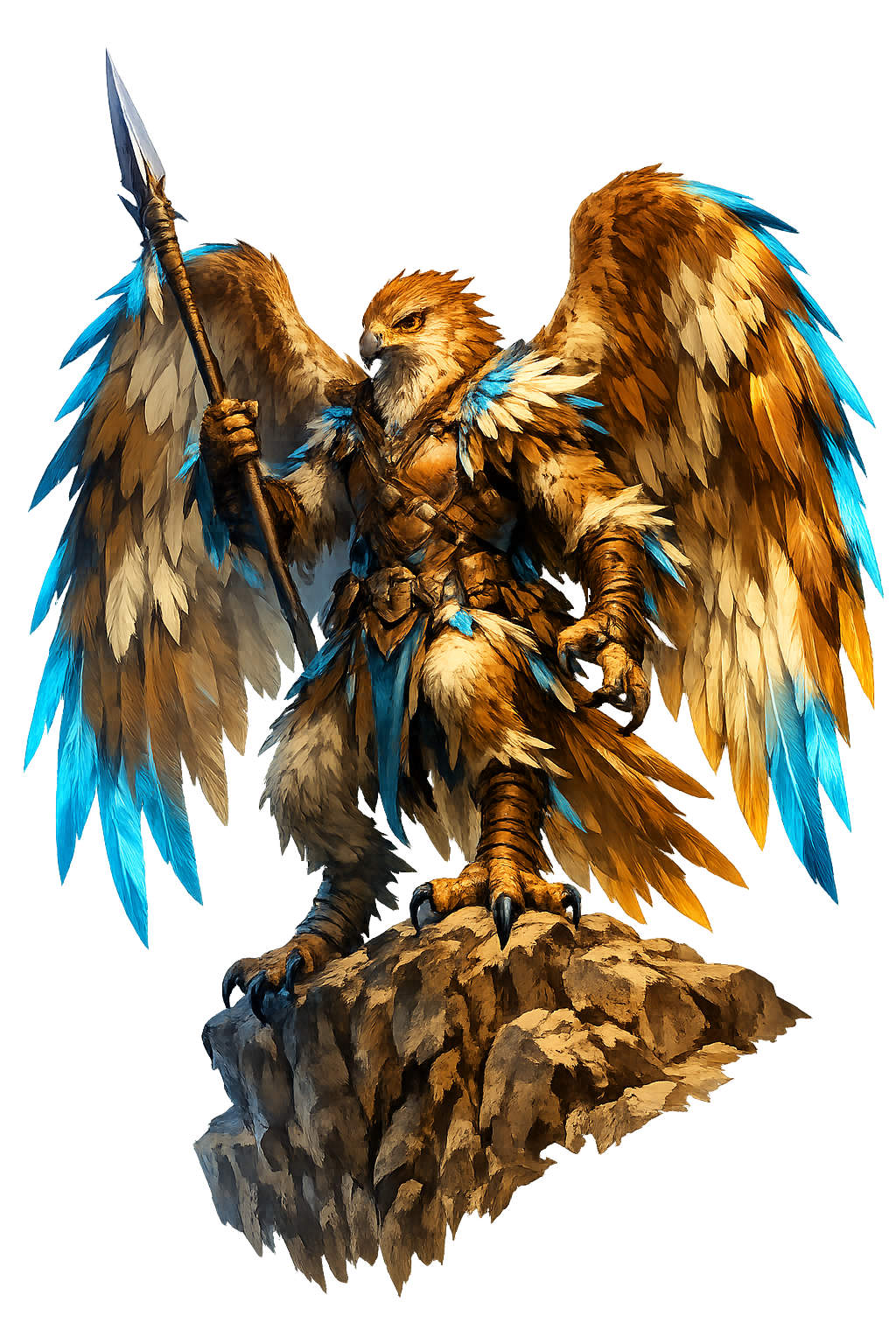
Consider what your species actually needs to survive. Aquatic species need water access. Cold-adapted species struggle in warm climates. Flying species like aarakocra need open skies and vertical space. Nocturnal species fight less effectively during day watches. These needs create logistical complications that make species membership meaningful beyond combat bonuses.
Culture as Gameplay
Culture works best when it creates hooks for action rather than just flavor for description. Saying that elves value nature is flavor. Saying that elves consider cutting living wood without permission a grave insult that demands satisfaction is a hook. The first is background. The second is something that will affect what happens at the table.
Build cultures around practices that will come up during play. Dwarven hospitality customs mean the party gets treated differently when their dwarf companion introduces them properly. Elven naming traditions mean using someone's true name implies a relationship that might not exist. Orcish challenge rituals mean backing down from a fight has social consequences.
Every culture should have at least one custom that creates complications for outsiders and at least one that creates advantages. The complications make the culture feel real rather than convenient. The advantages give players reasons to engage with the culture rather than work around it.
Consider what happens when cultural values conflict with party goals. The wood elves won't allow fires in their forest, but the party needs to forge a replacement sword blade. The dwarven merchants won't sell to anyone who insulted their clan, which a party member did without knowing. The halfling village considers horses cruel imprisonment of noble animals. These conflicts create roleplay opportunities and force creative problem-solving.
Internal cultural conflicts provide even richer material. Progressive high elves who want to share magical knowledge clash with traditionalists who believe some knowledge is too dangerous. Young dwarves who've never seen the ancestral mountains question why they should fight to reclaim them. Orc veterans who made peace with former enemies face resentment from warriors who still want revenge. These divisions mean players can find allies and enemies within any species, not just between them.
Inter-Species Dynamics
How species relate to each other creates most of the political texture in a fantasy world. These relationships should be specific and historical, not generic declarations of friendship or hostility.
Elves and dwarves don't dislike each other because they're different. They dislike each other because of the Treaty of Stone and Leaf, which the dwarves violated three centuries ago, or which the elves violated depending on who you ask. The resentment has specific causes that some individuals have moved past and others never will. A human negotiator can potentially succeed where members of either species would fail because they don't carry the historical baggage.
Build relationships from incidents rather than essences. Orcs raid human settlements not because orcs are inherently violent but because the Sundering drove them from fertile lands into territories that can't support their population. Some orcs want to take back their homeland. Others want to find new lands elsewhere. Others have integrated into human society and are embarrassed by the raiders. The situation is political, not biological.
Trade creates relationships that war doesn't. Even species that officially hate each other often have trade networks that predate and will outlast current hostilities. The dwarf who sells weapons to humans officially despises elves, but somehow the best elvish wines keep appearing in dwarven markets. These contradictions make the world feel real because real-world relationships are full of similar hypocrisies.
Mixed-heritage characters like half-elves embody inter-species tensions in personal form. They exist at the intersection of cultures, never fully belonging to either. This isn't a tragic flaw to overcome but a complex position that offers unique perspectives and challenges. The half-elf who's spent their life negotiating between communities has skills that pure-blood characters lack.
Avoiding Allegory Traps
Fantasy species become uncomfortable when they map too neatly onto real-world ethnic groups. This happens more often than creators intend, and it happens because species design often borrows from stereotypes about actual peoples without conscious awareness.
The "savage" orc who lives in tribes, practices primitive religion, and raids civilized settlements echoes colonial narratives about indigenous peoples. The "inscrutable" elf who's ancient, wise, and culturally static echoes orientalist stereotypes. The "money-grubbing" goblin who hoards gold echoes antisemitic caricatures. These parallels aren't always intentional, but they're present, and players notice them.
The solution isn't to make species identical to humans or to avoid difficult topics. It's to ensure that species cultures are rich enough to resist simple allegory. Give every species a full range of political positions, class divisions, and individual variation. Show them making choices that humans might make under similar circumstances. Refuse to let any species be essentially anything except members of that species.
Biological differences between species should create genuinely alien perspectives rather than coded versions of human diversity. An elf who lives for millennia doesn't think like a human who lives for decades. A dwarf whose people have lived underground for thousands of generations perceives space and light differently than surface-dwellers. These differences are interesting precisely because they're not allegories for human ethnic differences but genuinely different ways of being intelligent.
When species have troubled histories with each other, make sure those histories involve specific political choices rather than essential natures. Dwarves and elves aren't enemies because of who they are but because of what their ancestors did. This means reconciliation is possible for characters who choose to break from their peoples' patterns.
Making Species Playable
Species choice should mean something throughout the campaign, not just during character creation. Players who choose to play a dark elf should regularly encounter situations where that choice matters, for better and worse.
Give species distinct knowledge bases. The elf knows elven history, recognizes elven artifacts, and understands elven customs without needing to roll. The dwarf knows stone types, mining techniques, and underground navigation. The halfling knows agricultural cycles, local herb uses, and small-community social dynamics. This knowledge creates roleplay opportunities where different characters shine in different situations.
Build species into the world's geography. Elven forests, dwarven mountains, halfling farmlands, and orcish badlands should each have distinct feels that emerge from how those species shaped their environments. When the party enters elven territory, everything changes: the architecture, the social rules, the available resources, what counts as polite behavior.
Connect species to the campaign's plot. The ancient evil was sealed by elven magic that modern elves have forgotten. The artifact was forged by dwarven smiths using techniques that have been lost. The prophecy speaks of the "twice-blooded child" that might refer to a half-elf. Species shouldn't be cosmetic choices but integral to the stories being told.
Species matter most when choosing one means closing off options as well as opening them. The dwarf can't easily pass through elven lands where old grudges still simmer. The half-orc faces suspicion in human towns that have suffered orc raids. The wood elf struggles in cities that feel like stone prisons. These constraints make the choice meaningful and create interesting challenges during play.
Building Species That Breathe
Start species design with a question: What does this species want that they're not getting? Dwarves want to reclaim their ancestral halls. Elves want to preserve a world that keeps changing. Halflings want to be left alone to live their lives. Orcs want respect and resources that other peoples deny them. This core desire drives culture, politics, and individual motivation.
From that desire, build the conflicts that define the species. Internal conflicts between factions who disagree about how to achieve the goal. External conflicts with other species who stand in the way. Historical conflicts that shaped current attitudes and institutions. Personal conflicts that individual members experience between their cultural obligations and their individual needs.
Give every species at least one admirable trait that outsiders can recognize and one frustrating trait that creates friction. Dwarven loyalty is admirable; dwarven stubbornness is frustrating. Elven perspective is admirable; elven condescension is frustrating. These paired traits create nuanced impressions rather than simple judgments.
Finally, populate species with individuals who don't fit the mold. The dwarf who hates enclosed spaces and lives on a mountaintop. The elf who's impatient and reckless by elven standards, meaning they act like a normal human. The orc who became a scholar after being raised by adoptive human parents. These exceptions prove the rules by showing that species tendencies are tendencies, not determinism.
Species succeed when players think about their character's people throughout the campaign, not just when mechanical bonuses apply. The goal is characters who are members of their species rather than characters who happen to have species-specific abilities. Get that right, and species become one of the most powerful tools for creating meaningful, memorable fantasy.