
Elves
Long-lived keepers of memory and craft, shaped by centuries into something beautiful and alien
Fantasy's Default, and Why That Makes Them Hard
Elves are the species everyone thinks they understand. Pointed ears, long lives, good with bows, probably arrogant. This familiarity is a trap. The easiest path produces elves who are just humans with slightly different stats and an attitude problem.
The challenge with elves isn't making them different enough from humans. It's making them different in ways that actually matter during play. A thousand-year lifespan isn't interesting if the elf acts like someone who expects to die at eighty. Exceptional grace isn't interesting if it's just a Dexterity bonus. Deep connection to nature isn't interesting if it's just a background detail mentioned once.
Elves work when their defining traits create consequences the players experience. They fail when those traits exist only on character sheets and in exposition.
The Longevity Problem
An elf who lives for seven centuries experiences time in ways humans genuinely cannot imagine. This isn't just "patient" or "takes the long view." It's an entirely different relationship with existence.
Consider: a human who befriends a dog knows the dog will die before them. It's sad, but the relationship is still worth having. Now imagine that every meaningful relationship you form will end this way. Your spouse, your children, your close friends. All of them will age and die while you remain. Not once, but over and over, for longer than human civilizations typically endure.
This matters for play because it changes how elves make decisions. A human adventurer might risk death for glory because death feels abstract. An elf who has watched a hundred friends die knows exactly what death means and might need different motivation. Or the opposite: an elf might risk death freely because they've seen how even long lives end, making risk feel irrelevant against the scale of time.
Elven psychology should be genuinely alien in ways that emerge from their actual experience, not from arbitrary cultural stereotypes. How does processing grief hundreds of times change a person? Some elves avoid attachment entirely. Others embrace connections despite knowing how they'll end. Still others develop a strange relationship with loss, having processed so much that each new death registers differently.
Beyond Tolkien's Shadow
Tolkien's elves cast such a long shadow that most fantasy elves are variations on his themes. Graceful, wise, close to nature, departing the world as humans ascend. This template works, but treating it as the only option limits what elves can be.
What if elves weren't graceful? What if their long lives led to accumulated damage, making them more scarred and weathered than younger species? What if elven culture valued endurance over elegance?
What if elves weren't wise? What if their long lives meant they were stuck in patterns established centuries ago, unable to adapt to changing circumstances? Old humans often struggle with new ideas. Old civilizations ossify. Why would ancient elves be different?
The Tolkien model isn't wrong, but treating it as mandatory prevents discovering what elves might be in your specific world. Start from first principles: what does living for centuries do to a person? Build outward from there rather than backward from established tropes.
The Arrogance Question
Many settings make elves arrogant toward shorter-lived species. This makes sense given their longer perspective and greater accumulated skill. The problem is that arrogance without nuance makes elves unpleasant to play alongside and reduces them to a single note.
Arrogance should be specific rather than general. An elf might be genuinely better than humans at things that benefit from centuries of practice while being worse at things that benefit from fresh perspective. The elven swordmaster's technique is flawless because they've been perfecting it for three hundred years. Their strategy might be terrible because they learned it three hundred years ago and haven't updated since.
More interesting than generic arrogance is the specific ways elves might misunderstand shorter-lived peoples. They might be baffled by humans who make life-altering decisions based on temporary emotions. They might not understand why humans care about individual achievement when the individual will be dead so soon.
Cross-species relationships generate friction not because anyone is wrong but because they're operating on different timescales. An elf might not realize that humans form deep friendships in months rather than decades. Humans might interpret elven patience as passivity or elven precision as obsession. The goal is elves who are frustrating for understandable reasons.
Elven Diversity
The range of elven subtypes reflects how differently even the same long-lived species can develop under different circumstances:
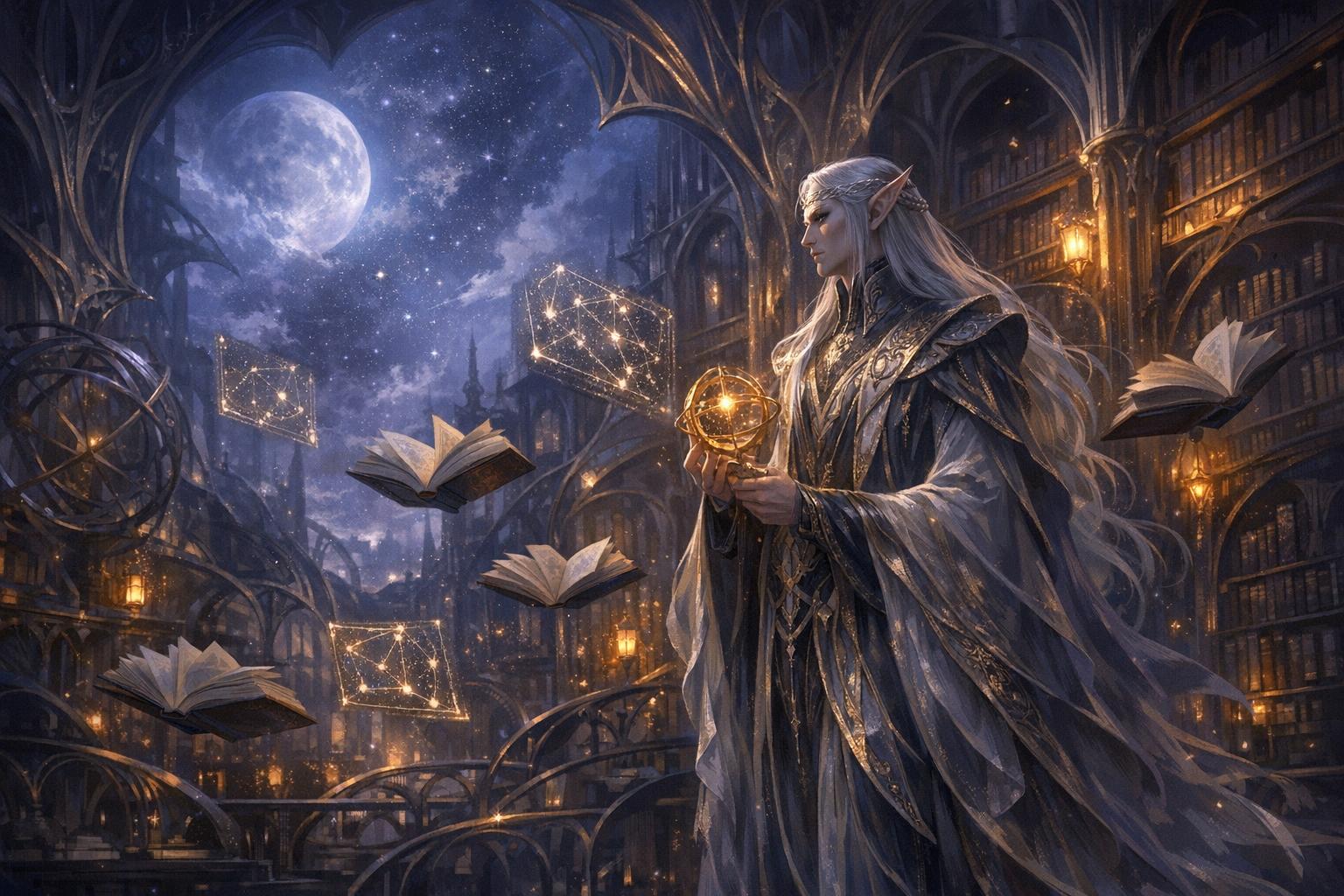
High Elves channel their longevity into accumulated knowledge and civilization. They build institutions that persist for millennia, develop magical traditions of extraordinary complexity, and tend toward intellectual arrogance born of genuine achievement.
Wood Elves align with natural cycles, becoming stewards of forests they've tended for generations. Their patience expresses itself through ecological rather than cultural accumulation, and their perspective often seems alien to species focused on building and changing.
Making Elves Playable
The danger with emphasizing elven alienness is producing characters who don't engage with the campaign. The elf who's too patient to care about immediate threats, too detached to form relationships, too superior to treat any challenge as meaningful. This isn't interesting alien psychology. It's a character who refuses to play.
Playable elves need reasons to engage with mortal-scale concerns. Young elves haven't yet developed the patience that comes from centuries of experience. Elves who've suffered recent losses might be emotionally vulnerable in ways that crack their species' typical reserve. Elves in exile might need mortal allies for practical survival.
Build elves with strong opinions about specific things rather than generic elven superiority. An elf who cares passionately about forest preservation, architectural integrity, or musical excellence has clear hooks for engagement. An elf who thinks they're better than everyone about everything is just tedious.
Subtypes
Elven Kindred
 01
High Elves
Scholars and spire-builders whose institutions outlast empires and whose magic traditions span millennia
Read More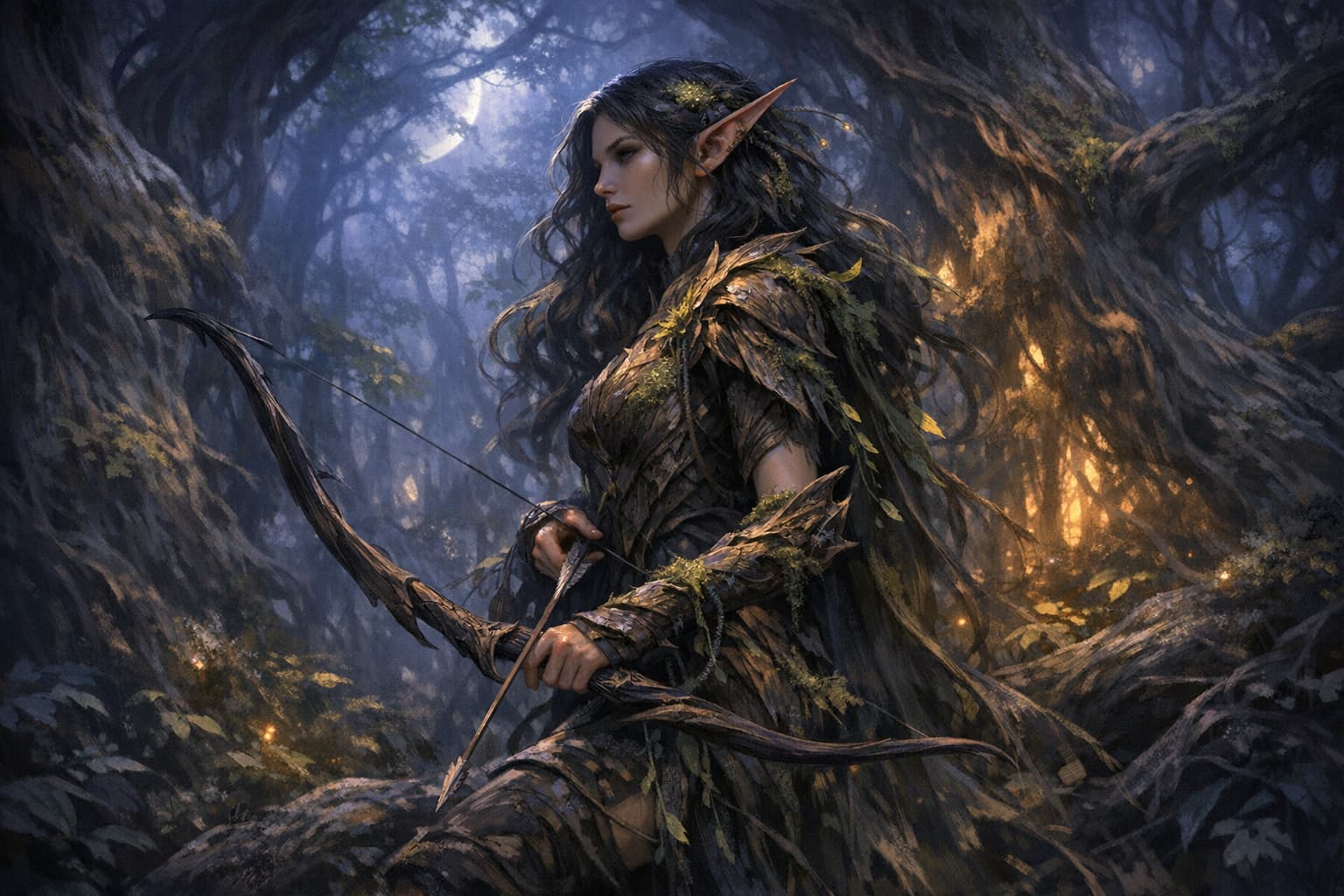 02
Wood Elves
Forest stewards who measure time in growth rings and whose patience runs as deep as roots
Read More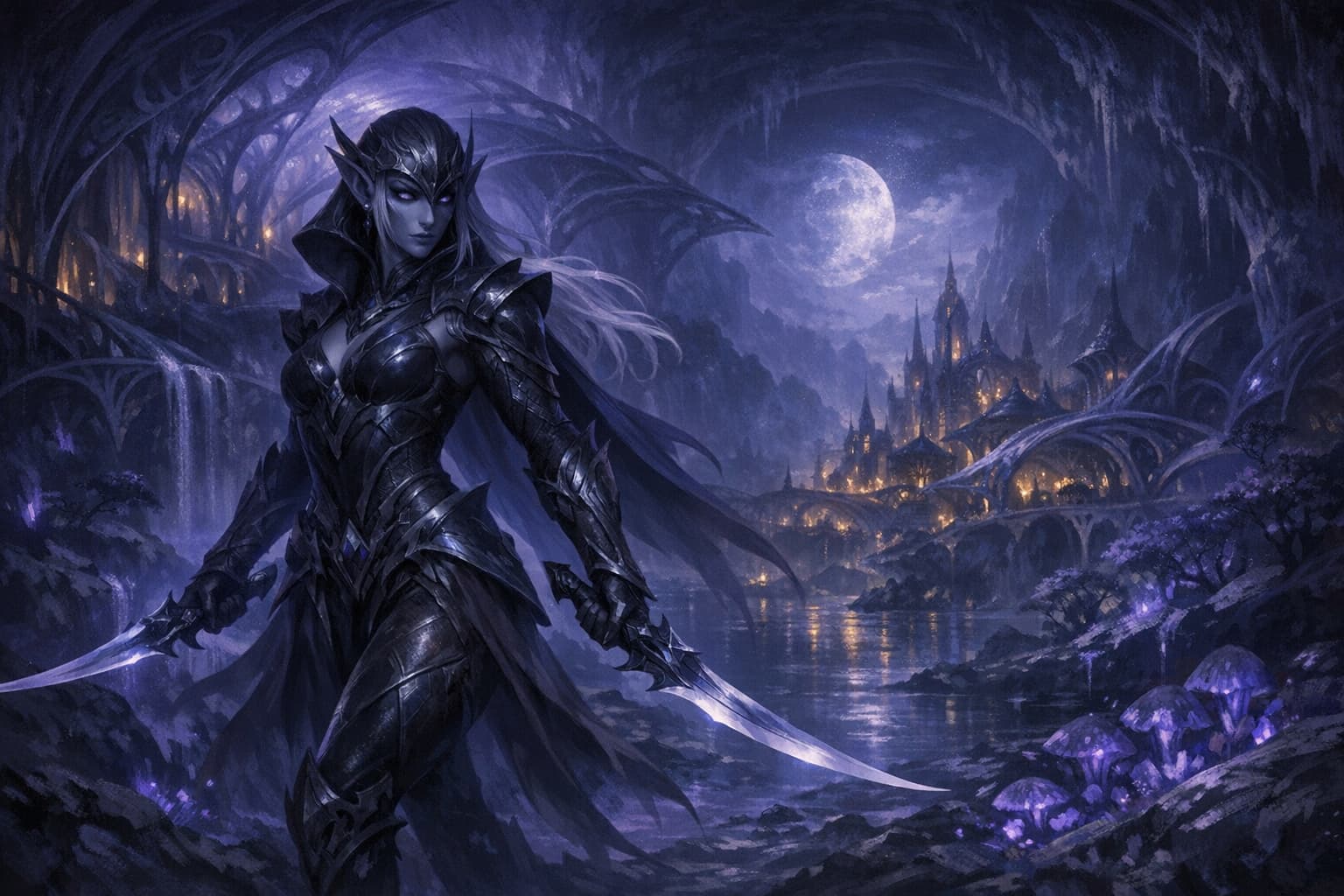 03
Dark Elves
Shadow-dwelling survivors whose ruthlessness was forged by scarcity and whose beauty includes the terrible
Read More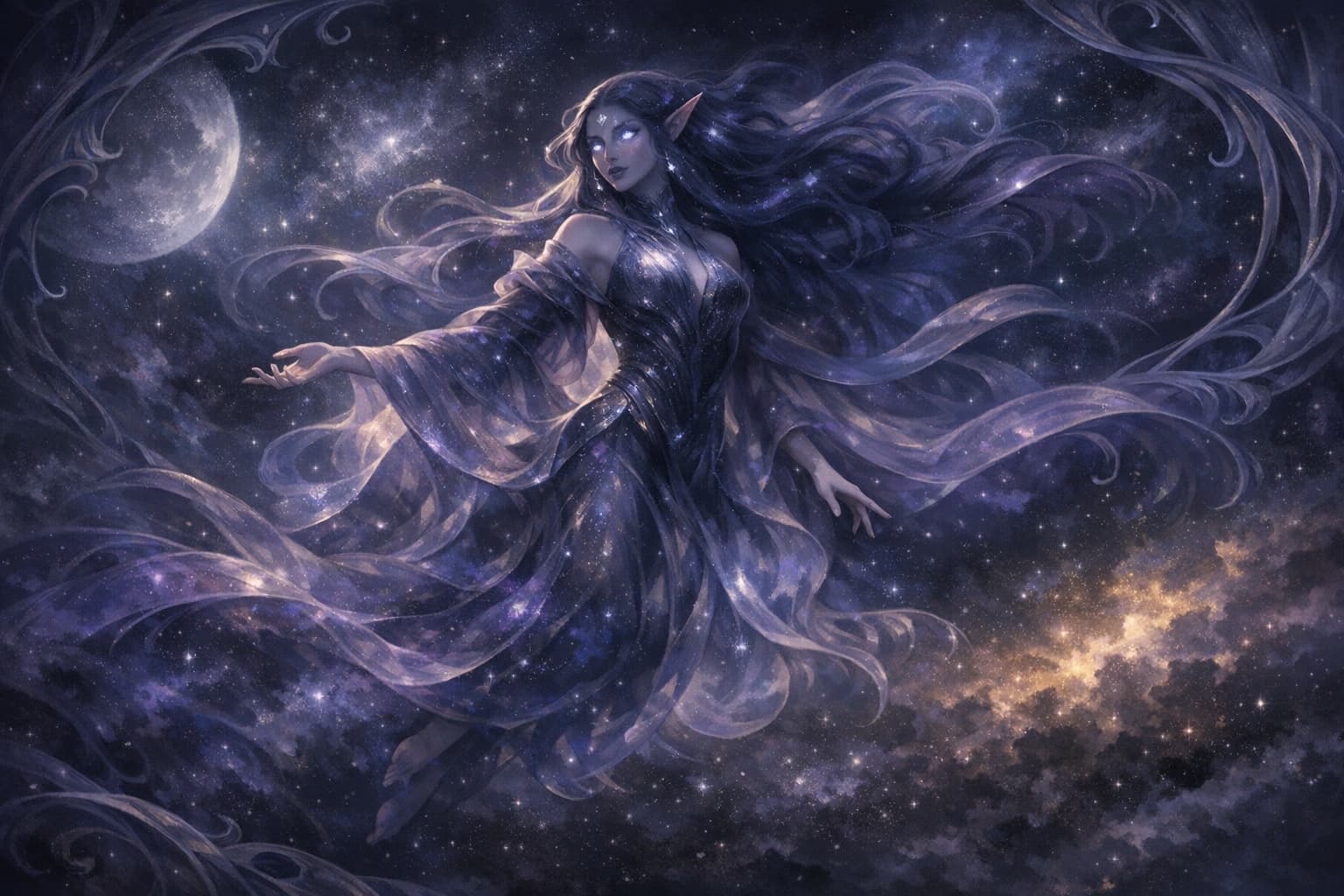 04
Astral Elves
Cosmic wanderers who perceive reality from between the stars, where time bends and knowledge transcends
Read More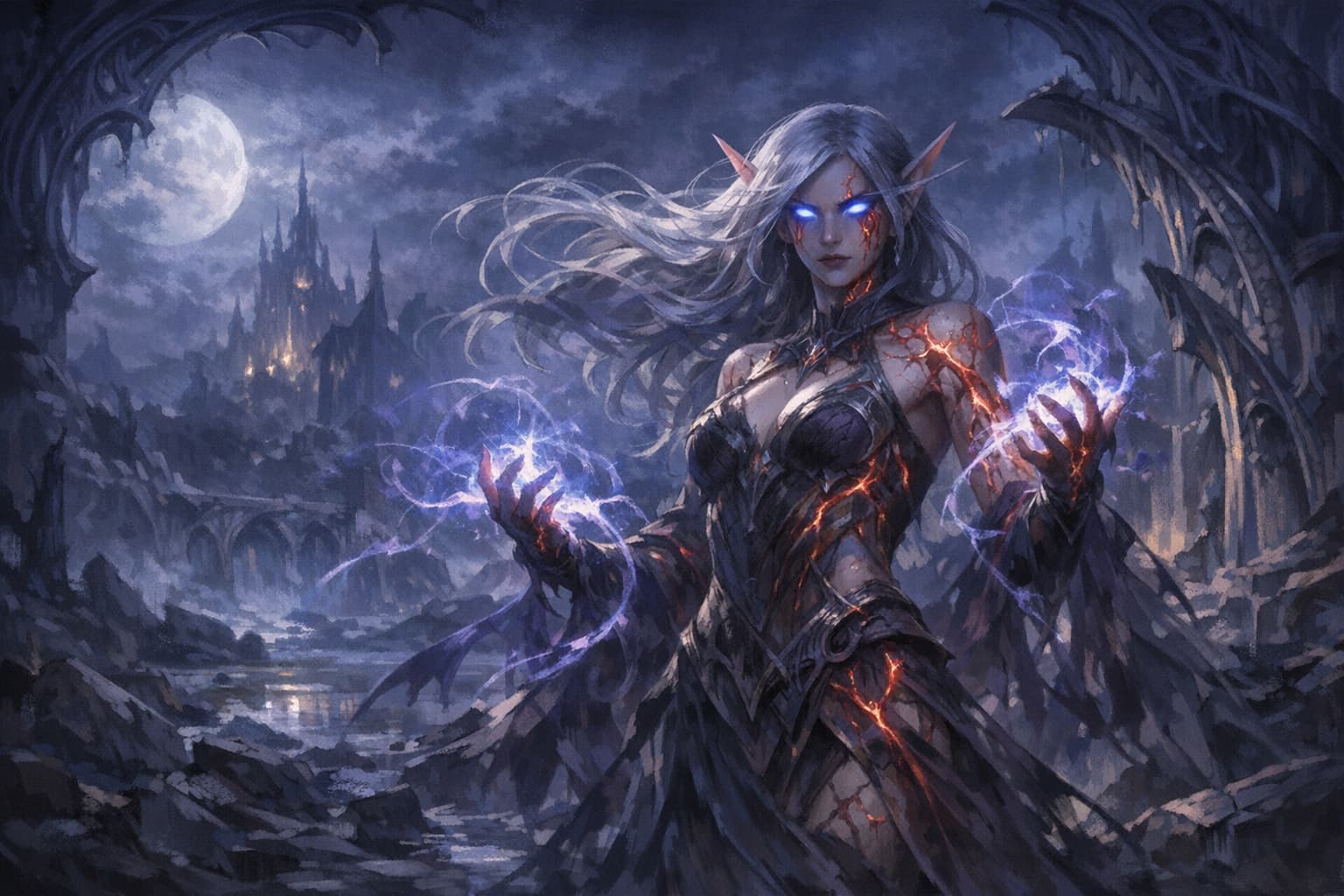 05
Blood Elves
Survivors of catastrophe whose addiction to power is both their salvation and their curse
Read More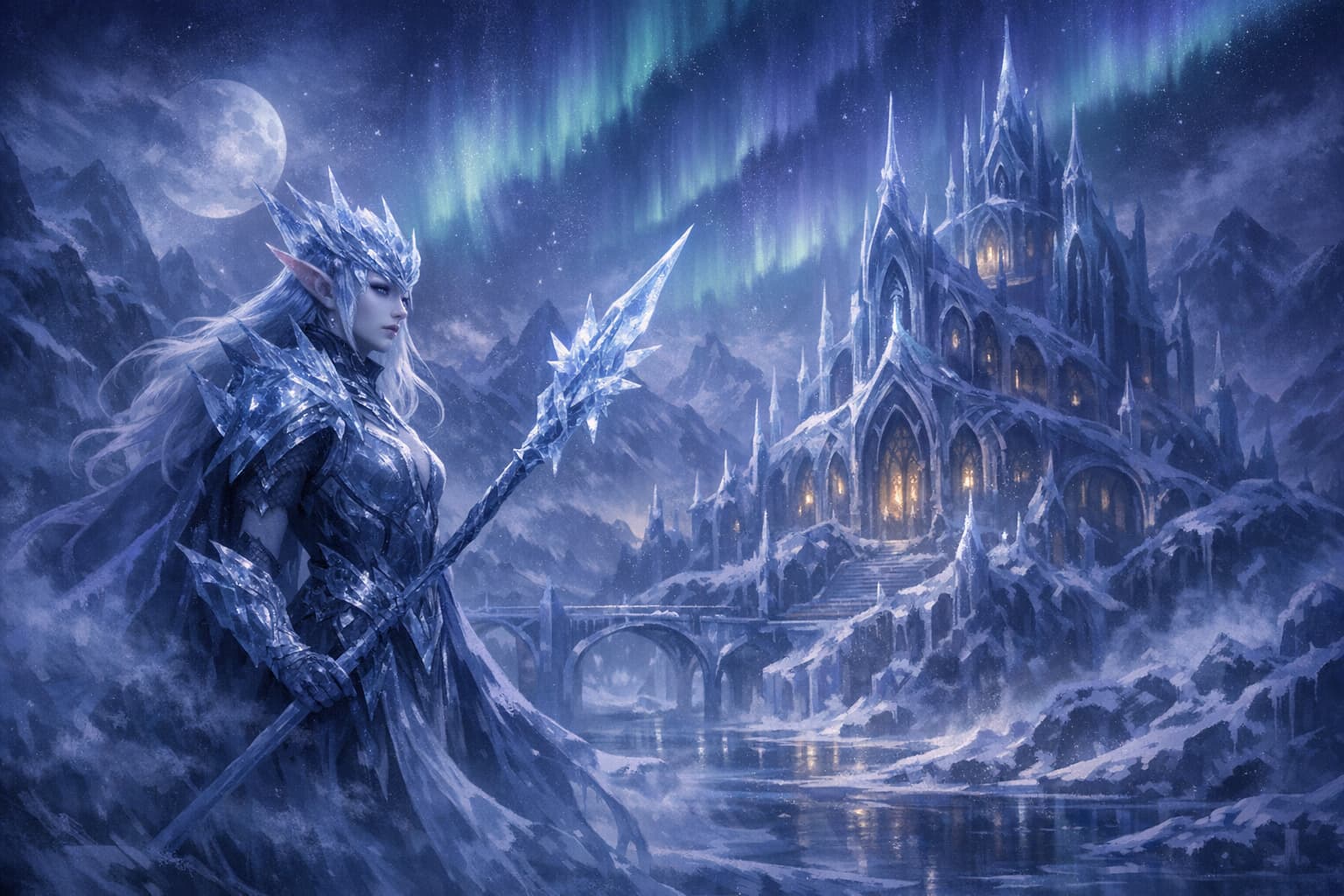 06
Frost Elves
Ice-forged survivors whose endurance was tempered by millennia of scarcity in the frozen wastes
Read More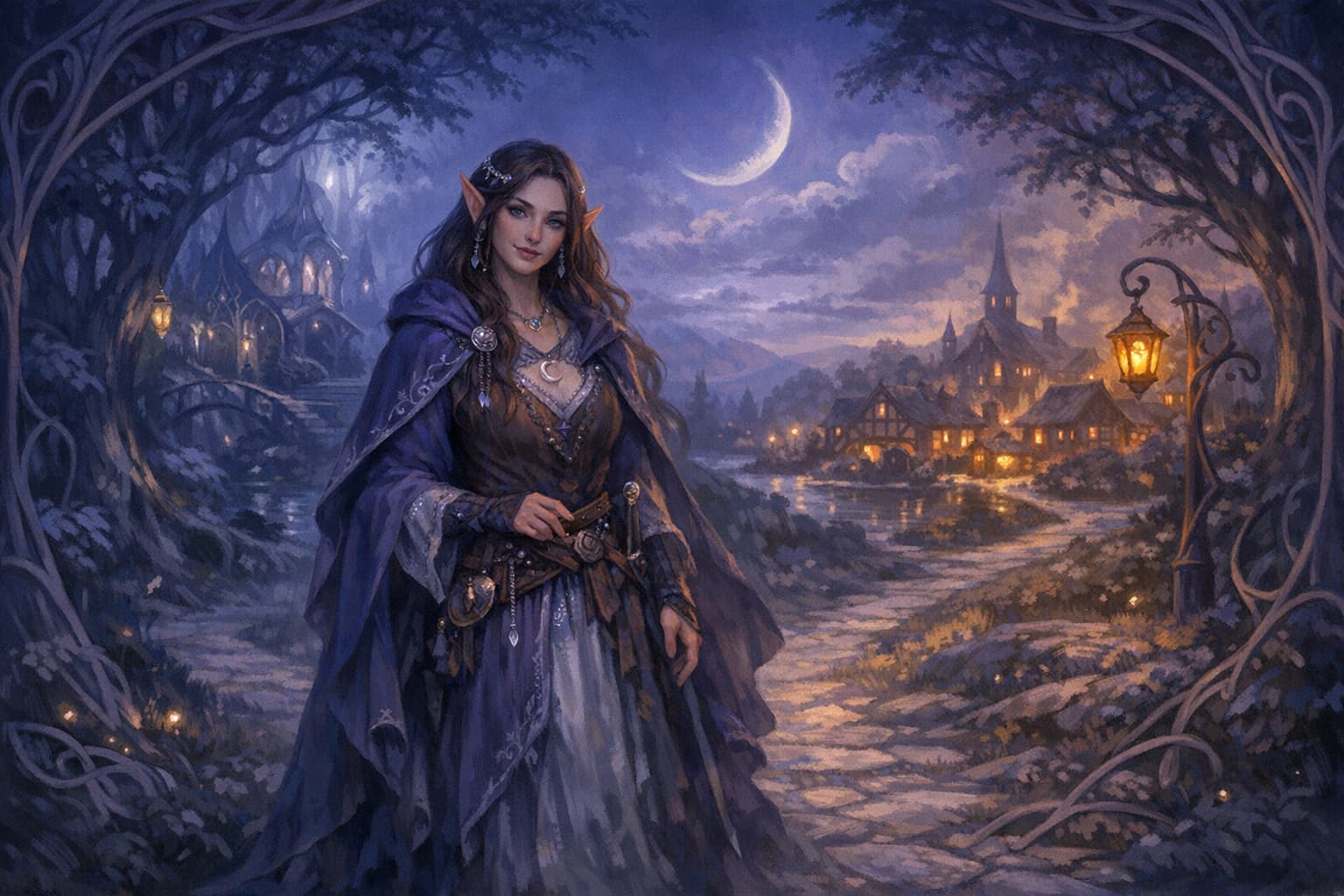 07
Half-Elves
Children of two worlds who belong fully to neither, carrying the gifts and burdens of both
Read More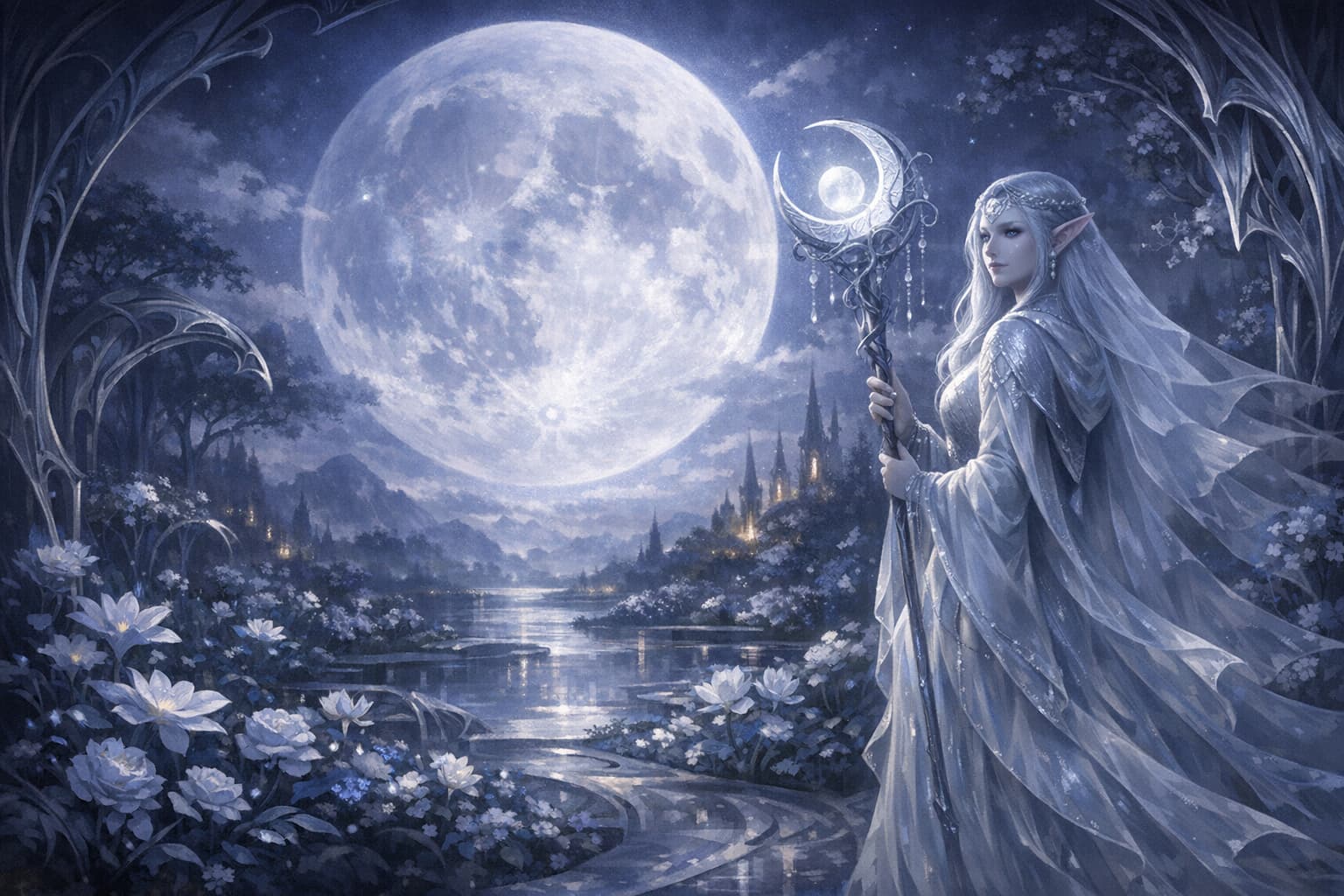 08
Moon Elves
Nocturnal mystics whose lives cycle with the moon, weaving silver magic in the space between dusk and dawn
Read More 09
Night Elves
Ancient guardians of dark places whose bond with shadow runs deeper than memory
Read More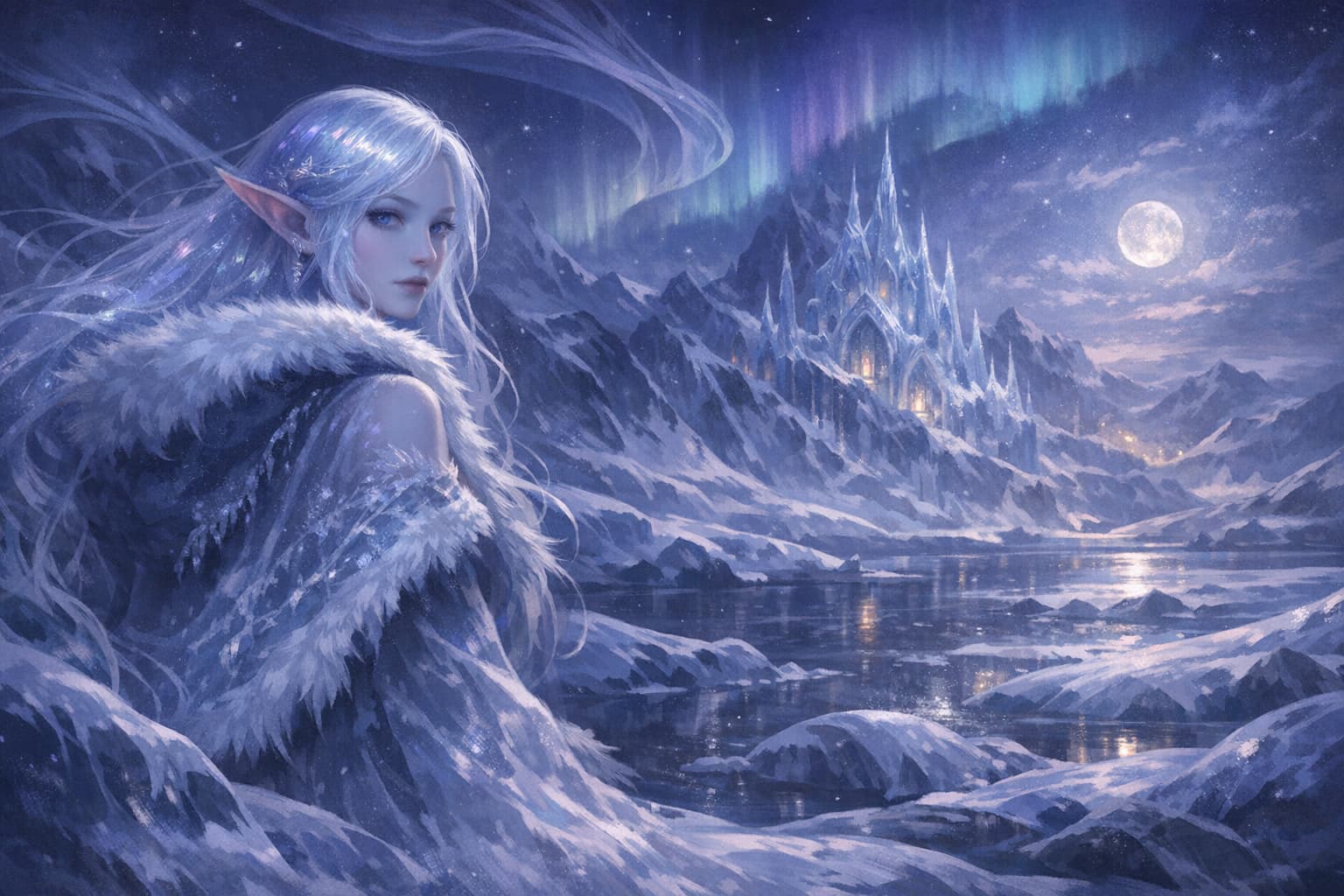 10
Snow Elves
Hidden kingdoms of eternal ice whose beauty is matched only by the cold patience of glaciers
Read More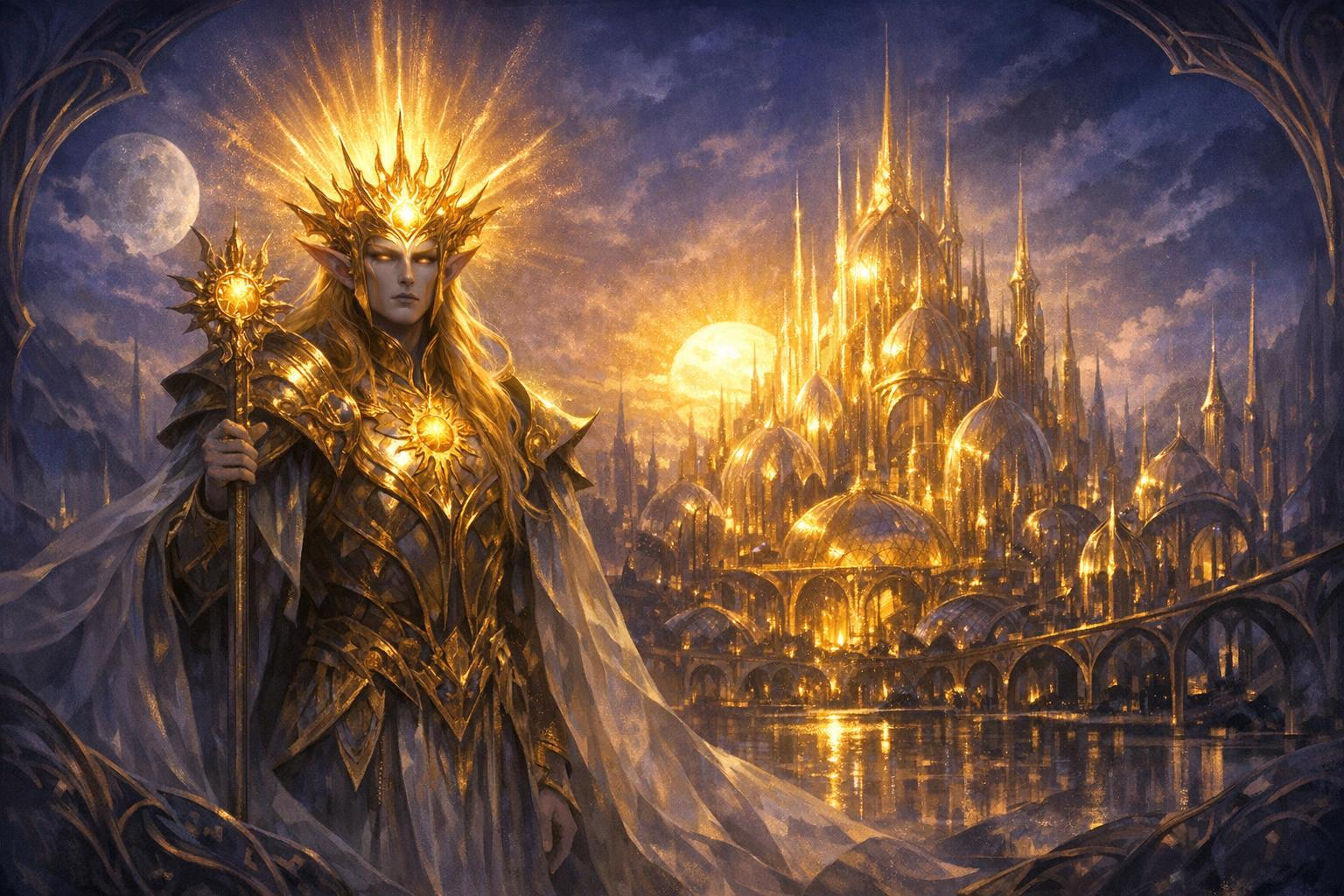 11
Sun Elves
Radiant lords of golden splendor whose magic blazes with the authority of daylight itself
Read More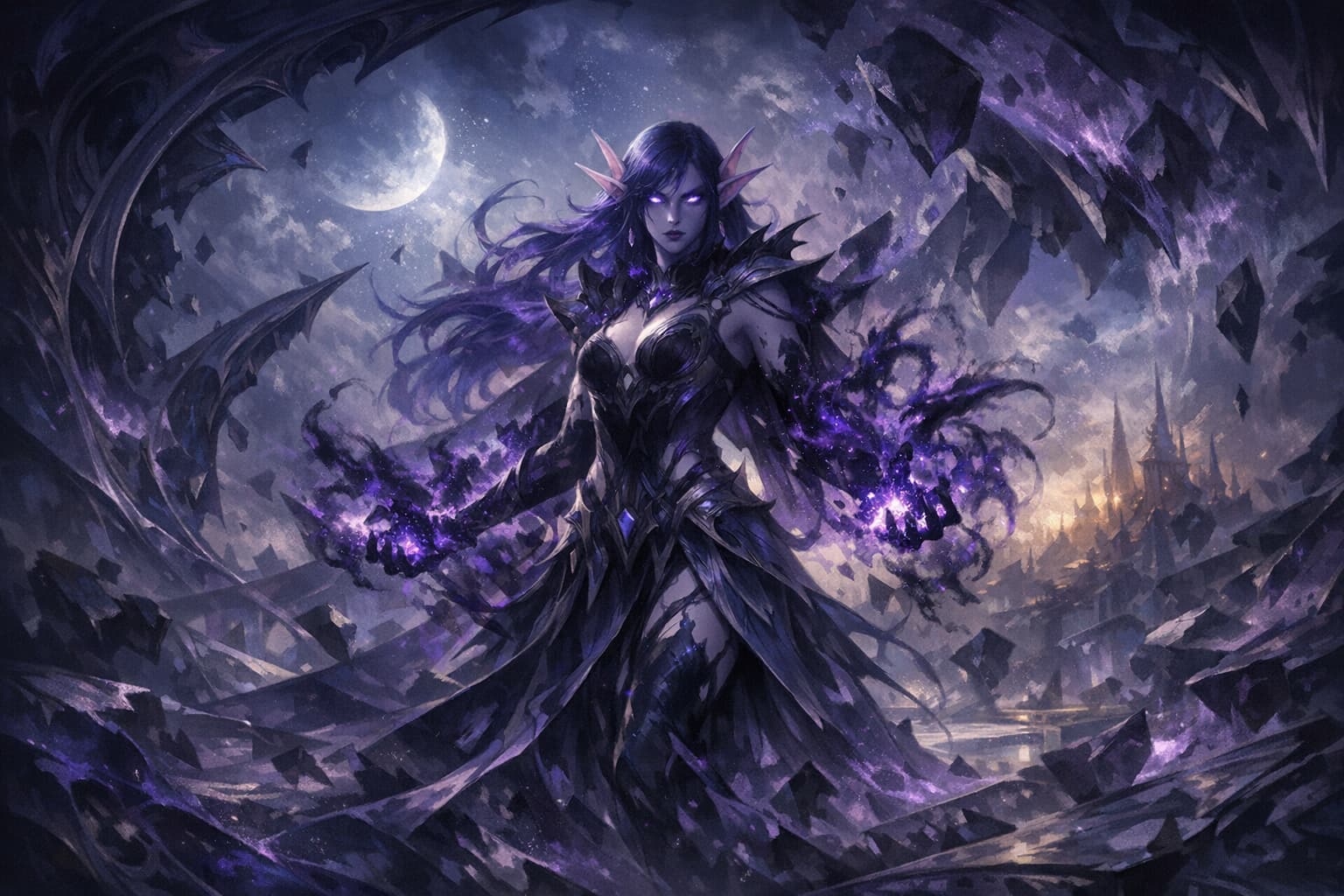 12
Void Elves
Transformed by the spaces between realities, wielding entropy as both weapon and burden
Read MoreFAQ
Common Questions
Consider that your elf has likely watched generations of shorter-lived friends age and die. This creates either deep melancholy, careful emotional distance, or deliberate appreciation for fleeting moments. When interacting with human characters, acknowledge the difference without being condescending. Your elf might reference events from centuries ago as personal memories, or show unusual patience with problems that seem urgent to others.
Avoid the "aloof archer" default. Give your elf specific relationships with shorter-lived peoples. Define their opinion on elven traditions — do they embrace, reject, or question them? Create a personal history that spans decades with specific events that shaped them. Consider how their subrace's culture influenced their worldview, and whether they conform to or rebel against it.
Establish early whether elves in your setting are truly immortal or simply long-lived. Create specific moments where the difference matters: an elf recognizing the grandchild of an old friend, or explaining patience by referencing a century-long project. Use NPC relationships to show the weight of accumulated loss, and consider how elven institutions like libraries or councils persist across human generations.
Focus on how immortality shapes institutions: apprenticeships lasting decades, grudges spanning centuries, art projects requiring lifetimes. Consider their relationship with history — personal memory versus recorded — family structure, and attitudes toward change. Define their magic traditions, seasonal celebrations, and how they handle exile or death. Make their beauty come from depth, not surface description.