
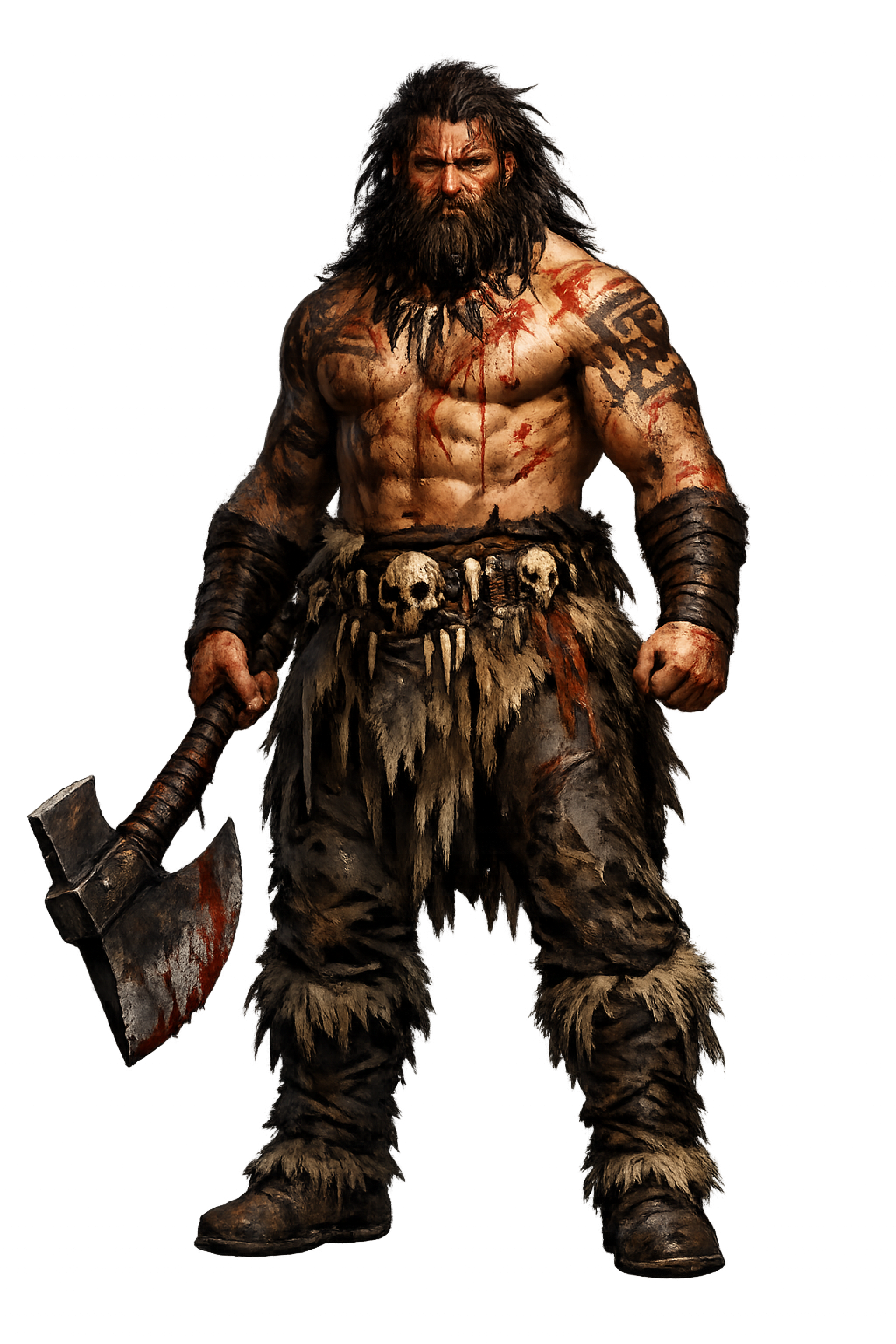
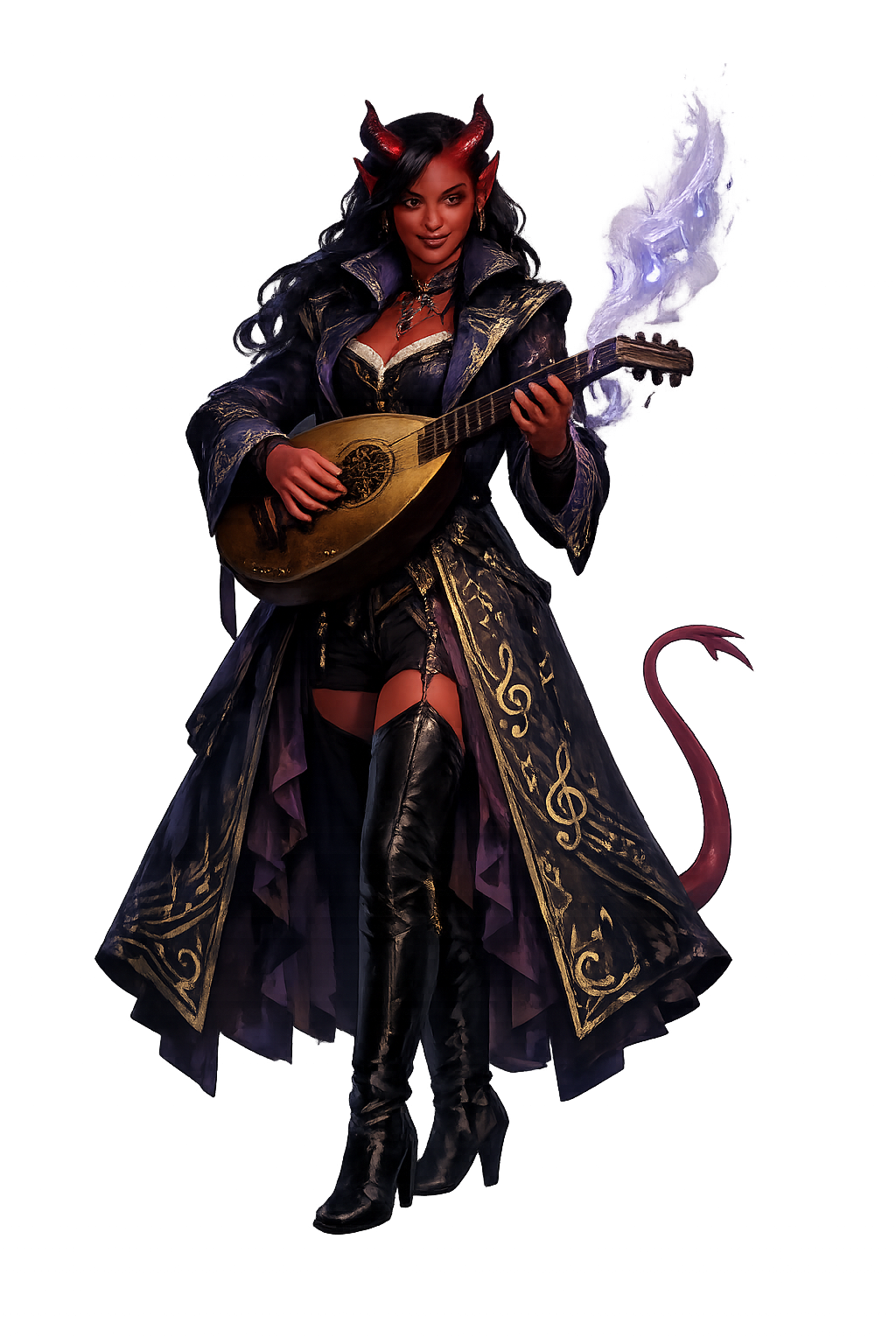
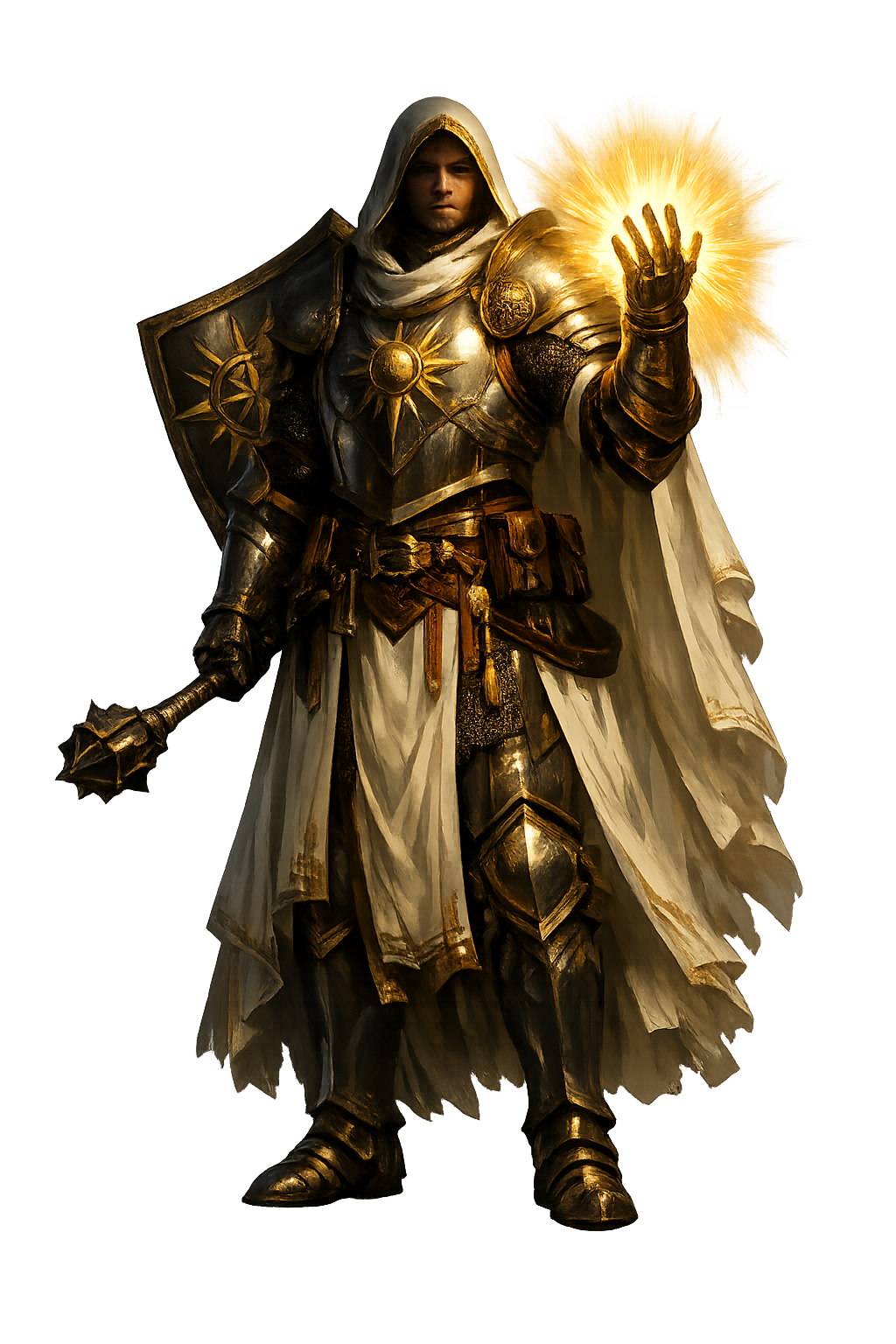
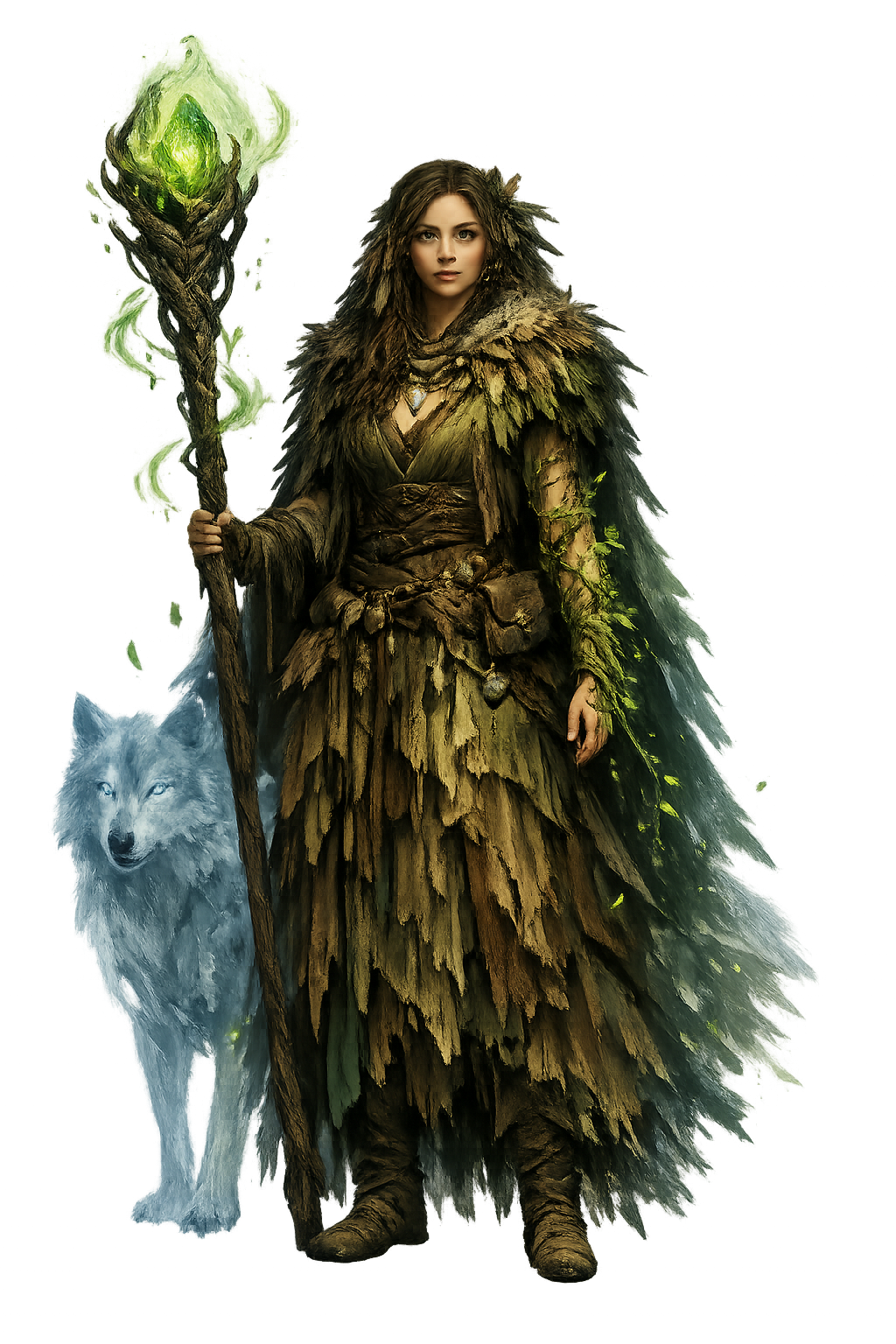
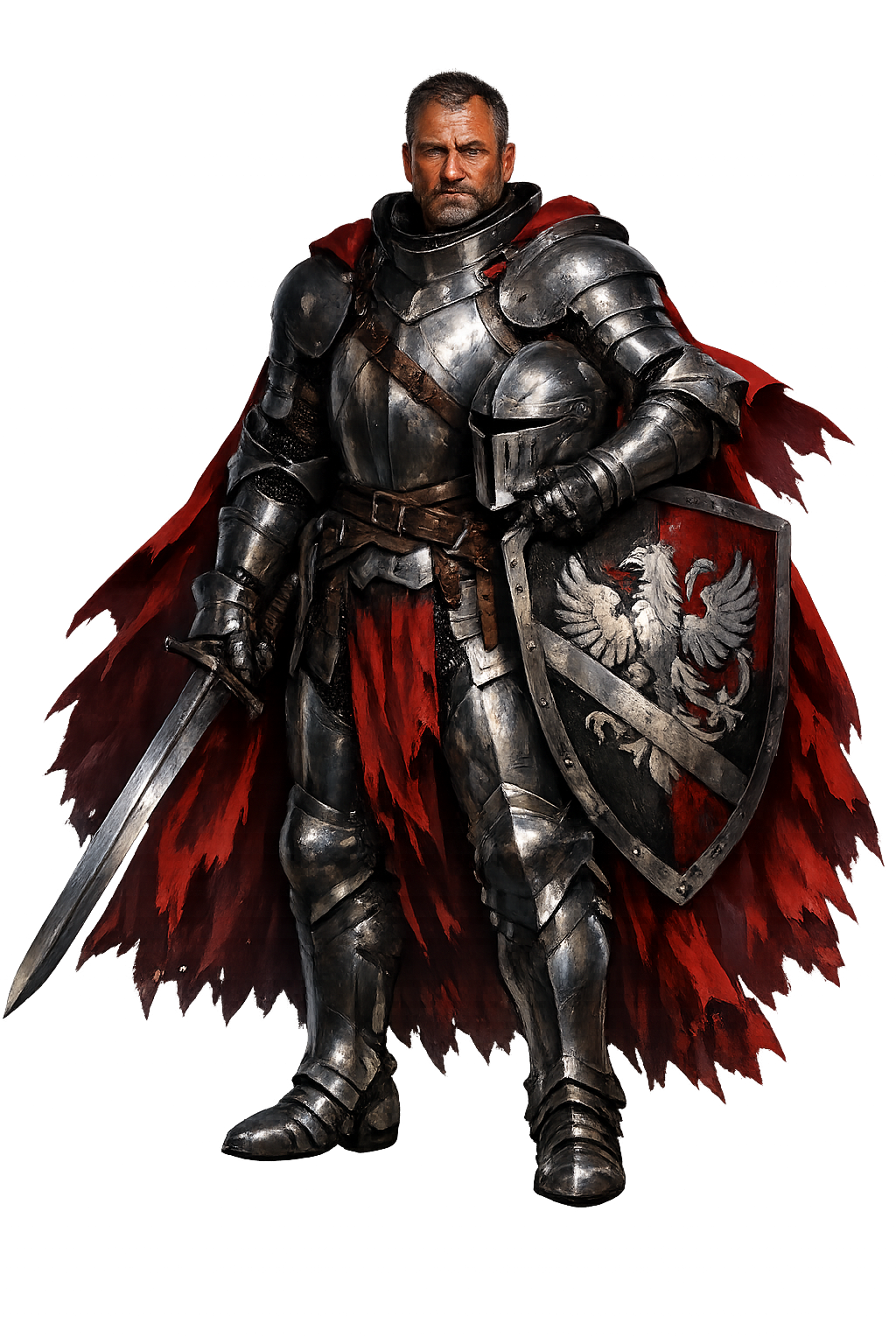

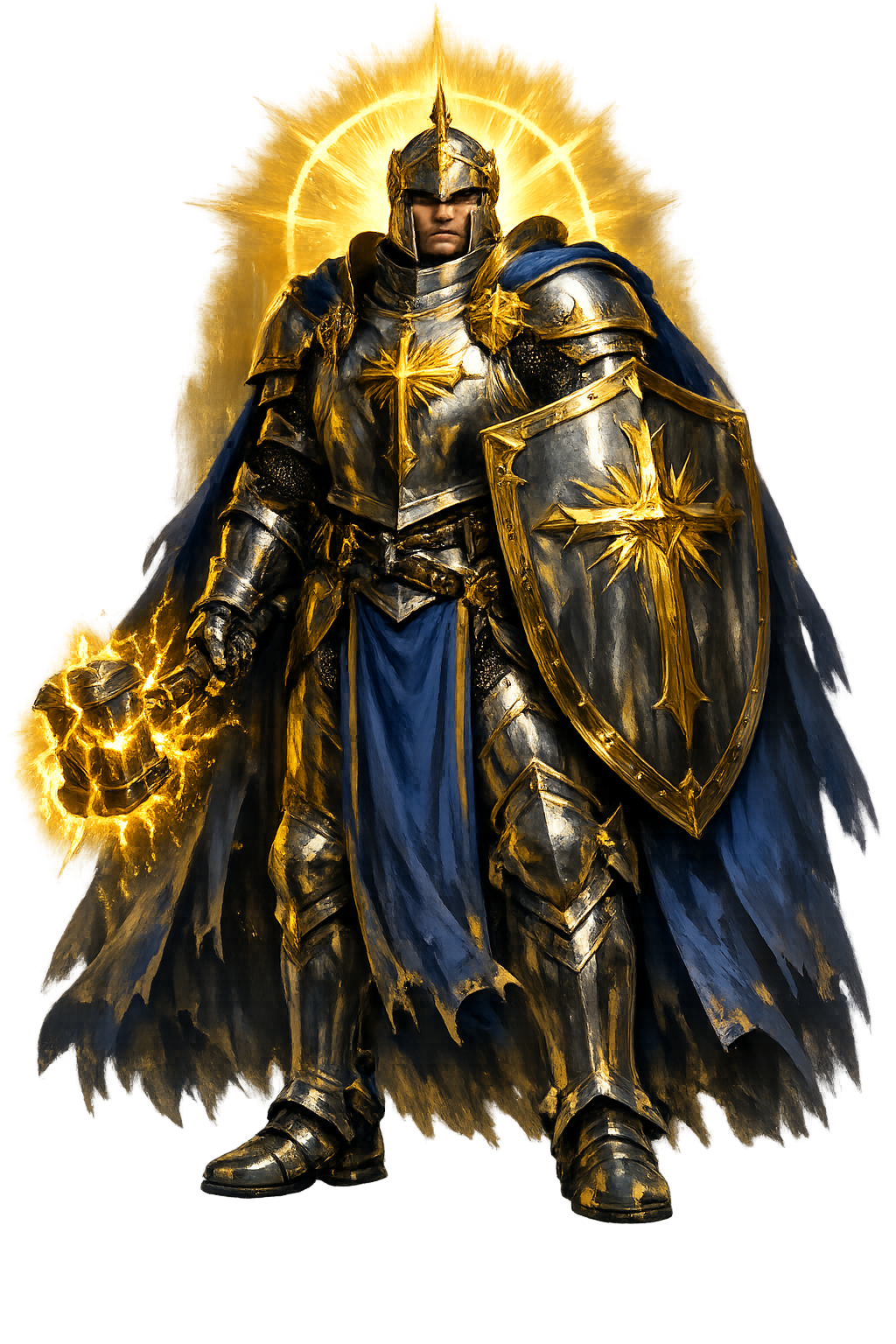
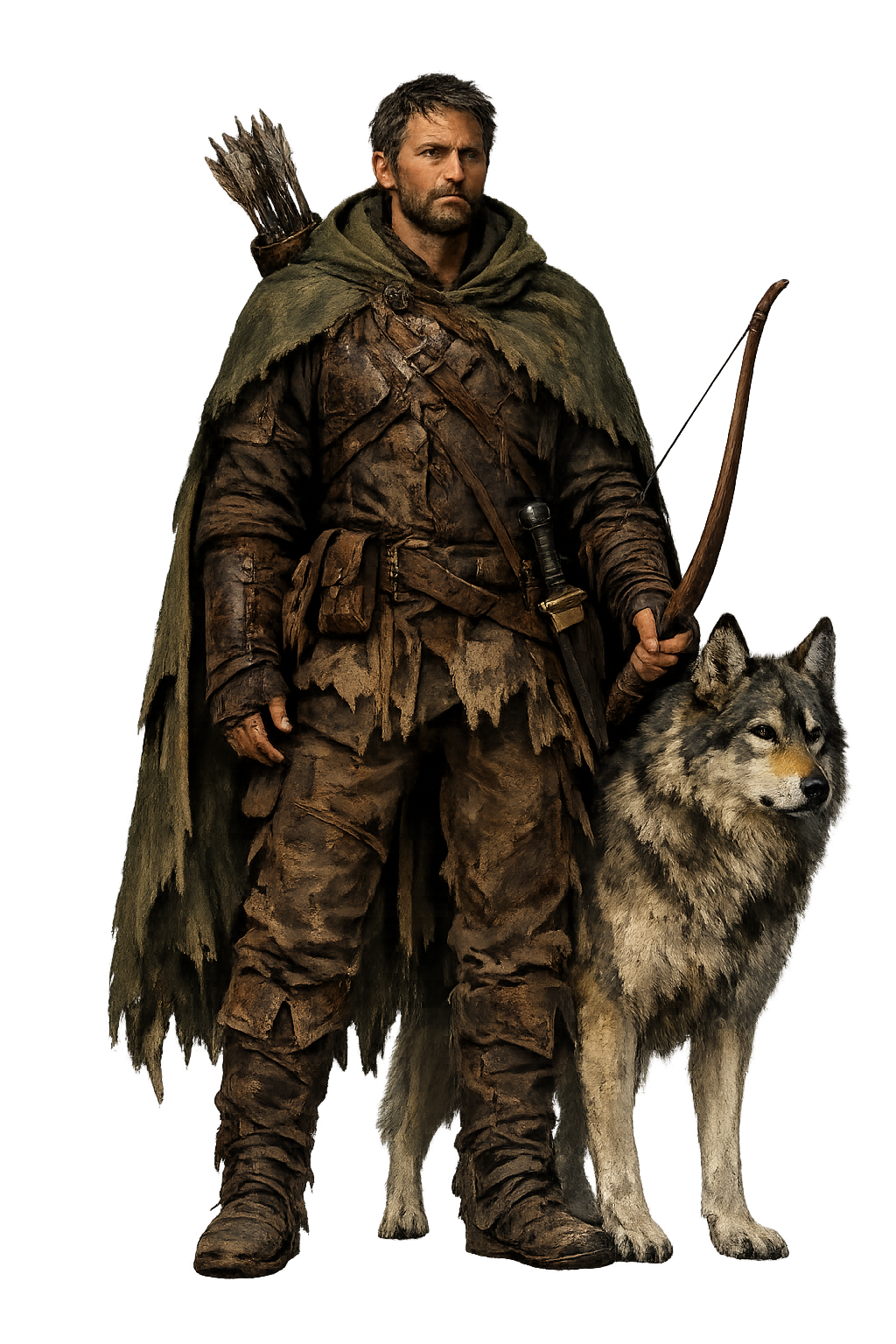
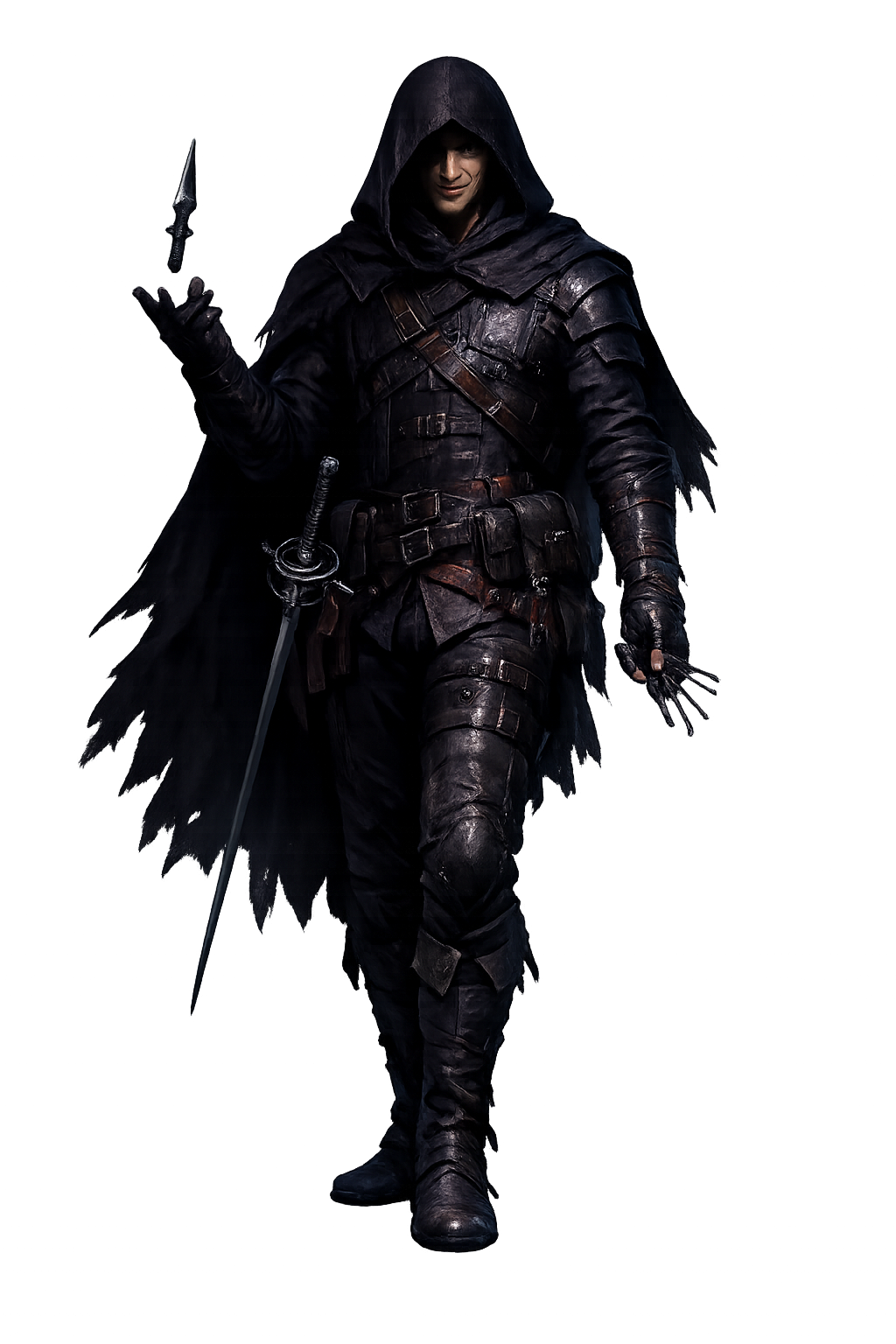
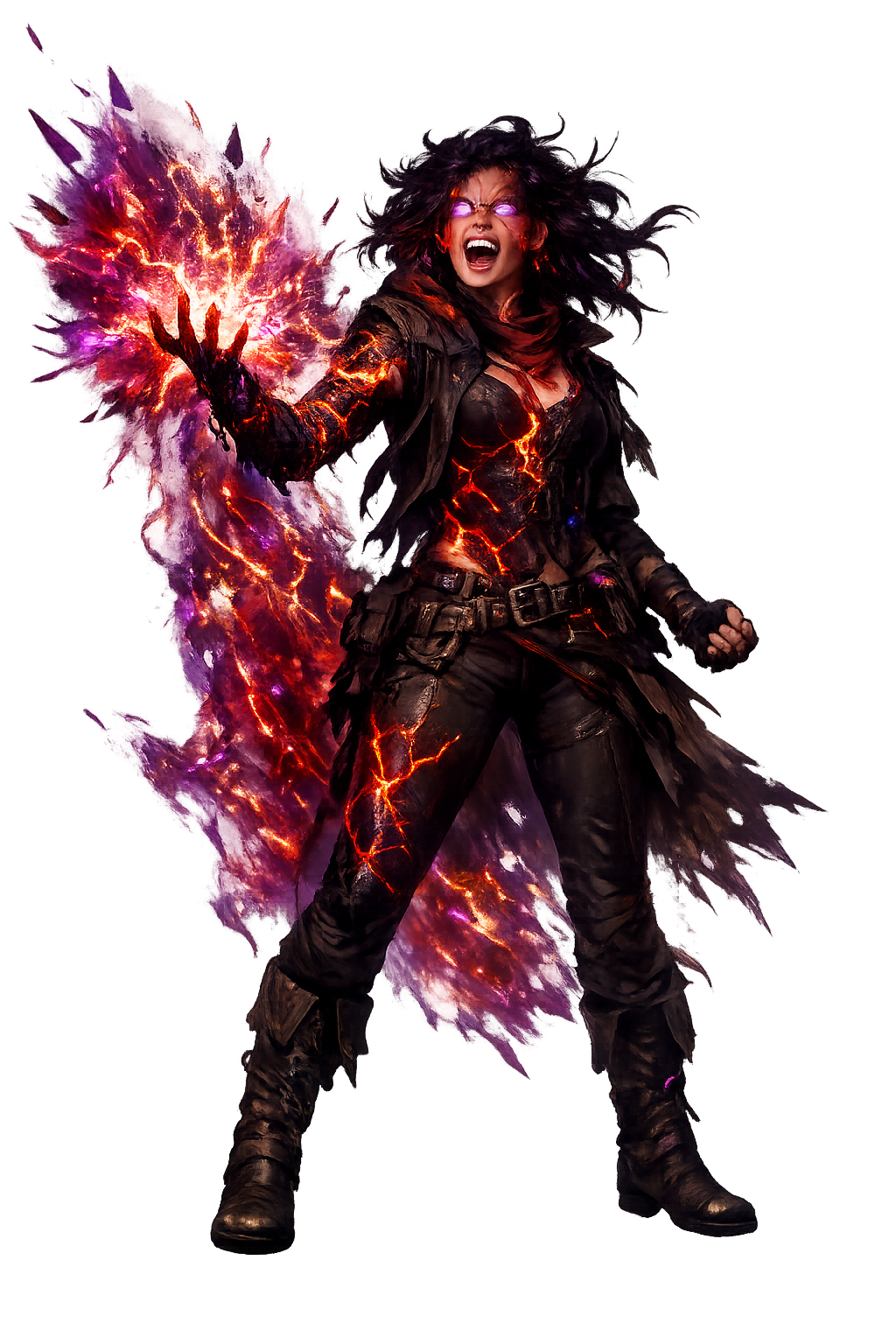
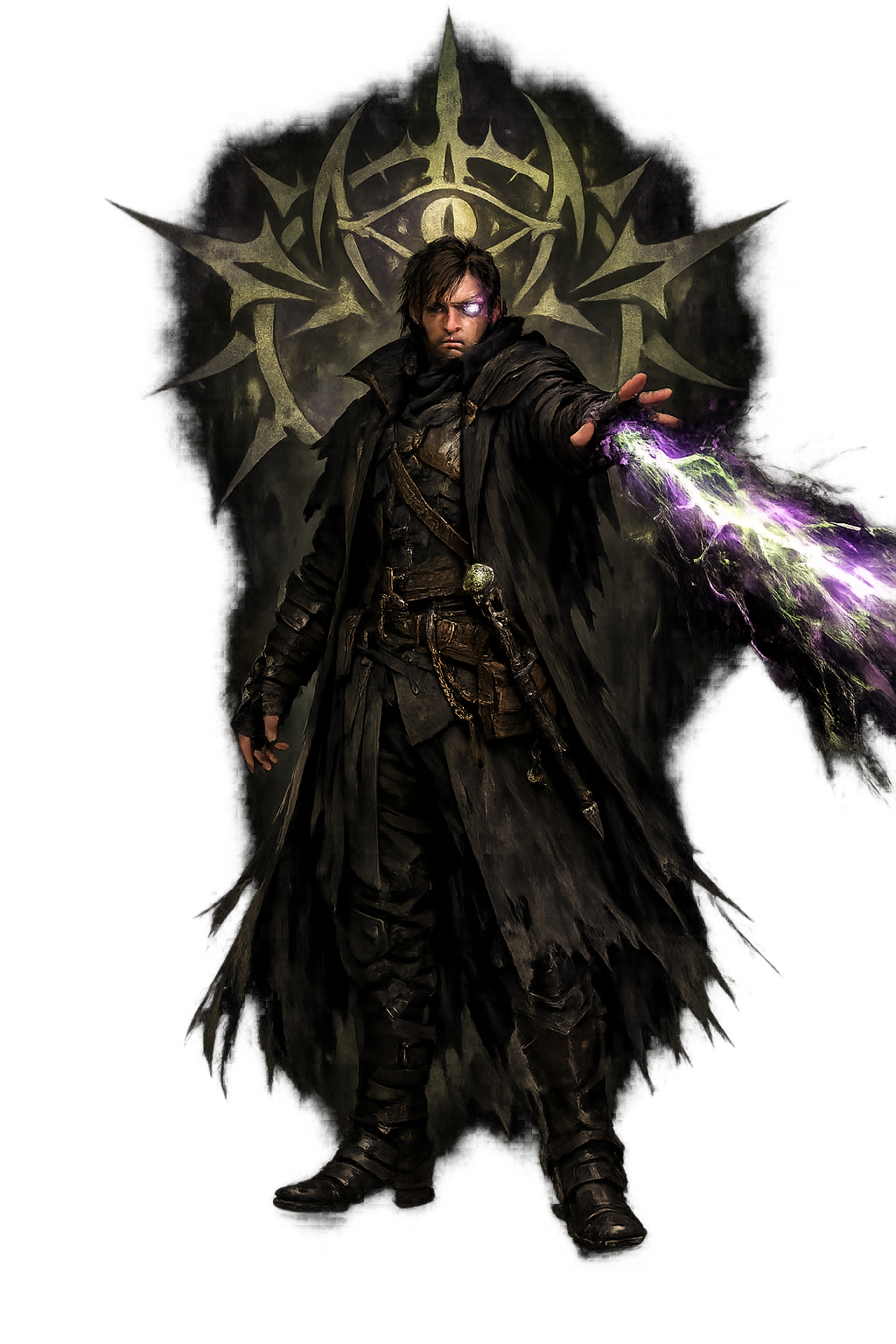
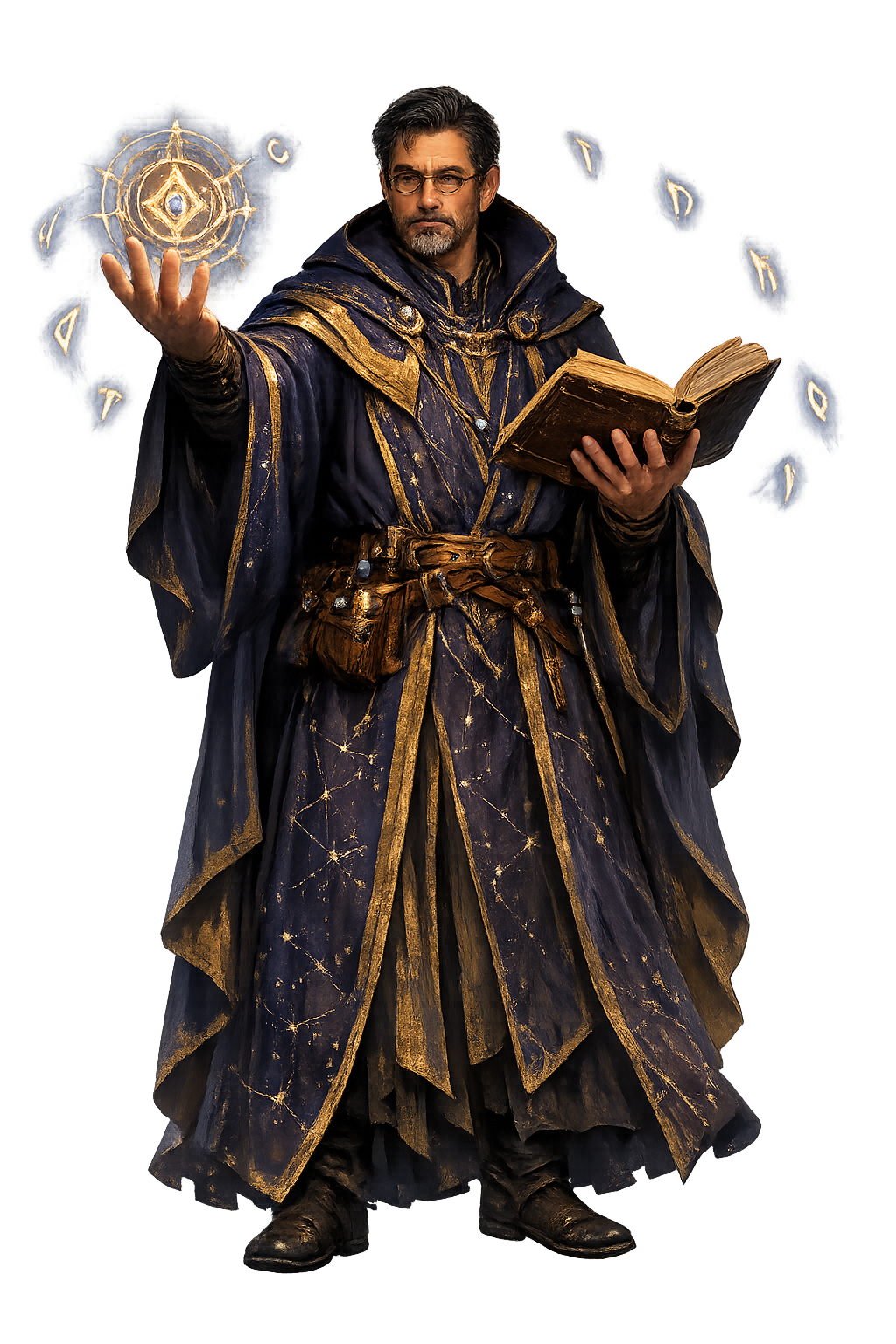
The biggest mistake in class design is treating classes as professions. A fighter isn't someone who fights for a living. A cleric isn't a priest. A rogue isn't a thief. These are mechanical frameworks that describe how a character interacts with the world's challenges, not what they do for money or how society categorizes them.
A retired librarian who learned to fight defending her collection from bandits is a fighter. A street kid who talks to a voice in the shadows and receives power in return is a warlock. A soldier who channels divine fury through discipline and conviction is a paladin. The class describes the character's relationship with power, not their resume.
This distinction matters because it frees players from cliches. The barbarian doesn't need to be from the wilderness. The wizard doesn't need to be bookish. The bard doesn't need to carry a lute. When you separate the mechanical archetype from the cultural stereotype, every character concept becomes available to every class, and the game gets more interesting immediately.
The best class selection happens when a player asks "how does my character solve problems?" rather than "what is my character's job?" Someone who solves problems through faith and conviction is a cleric or paladin regardless of whether they've ever set foot in a temple. Someone who solves problems through careful preparation and arcane knowledge is a wizard whether they learned in an academy or from a water-damaged spellbook they found in a collapsed tower.
How to Choose a Class for Your Character
Picking a class is the single decision that shapes everything else about your character. It determines how you fight, how you solve problems, what you contribute to the party, and what your character's story feels like at the table. Get it right and you'll play that character for years. Get it wrong and you'll be asking your DM about respeccing by session four.
Pick a Class by Character Concept, Not Optimization
Ignore optimization guides for five minutes. What do you actually want to do? If your answer is "I want to hit things really hard and not die," you're looking at barbarian, fighter, or paladin. If it's "I want to control the battlefield with magic," that's wizard, sorcerer, or druid. If it's "I want to be the one who gets us out of trouble," you're describing a bard or a rogue. The mechanical details matter, but they matter less than whether the class makes you excited to show up on game night.
Power Source, Complexity, and Party Role
Every class selection boils down to three things. First: where does your power come from? Martial training and discipline point toward fighter, monk, or rogue. Divine faith means cleric or paladin. A bargain with something powerful means warlock. Raw talent in the blood means sorcerer. Years of study means wizard. The natural world means druid or ranger.
Second: how complex do you want your turn to be? Barbarian and Champion fighter give you clean, fast turns — move, attack, done. Wizard and druid hand you a massive spell list and expect you to pick the right tool every round. Bard and paladin sit in between, mixing weapon attacks with tactical spell choices. There's no wrong answer, but be honest about how much decision-making you enjoy under pressure.
Third: what role does your party need? A group without healing will feel it by the third session. A group without a frontliner will watch their casters get shredded. A group without someone who can pick a lock or disarm a trap will brute-force every problem. You don't need a perfect four-person composition, but you should know what gaps exist and whether you want to fill one. Sometimes the most fun character is the one your party desperately needs.
Which Class Fits Your Playstyle
Players who like straightforward action gravitate toward martial classes. The barbarian is the purest version of this: rage, charge, swing. The fighter offers more tactical flexibility through Battle Master maneuvers or the Eldritch Knight's spellcasting. The monk rewards players who enjoy movement and positioning, darting across the battlefield to hit the right target.
Players who like resource management and planning ahead thrive as full casters. The wizard prepares spells each morning and succeeds by predicting what the day will bring. The cleric balances healing against offense, always one spell slot away from saving a life or ending a fight. The druid adds shapeshifting to the equation, switching between caster and frontliner as the situation demands.
Players who like doing a little of everything find their home in hybrid classes. The paladin hits like a martial and heals like a caster. The ranger combines weapon attacks with nature magic and exploration skills. The bard can fill almost any gap in the party and excels at skills and social encounters. These classes sacrifice peak performance in any one area for the ability to adapt to whatever the session throws at you.
Players who want a strong narrative hook built into their mechanics should look at warlock (your patron is a character in the story), paladin (your oath defines your moral framework), or cleric (your god has opinions about your choices). These classes come with built-in story tension that a good DM will weave into the campaign.
Best Class for New Players
The most common mistake new players make is spending more time reading optimization threads than playing. A "suboptimal" character you love playing will outperform a "perfect" build that bores you, because you'll actually pay attention during sessions, engage with the story, and come back next week excited to play. Pick the class that makes you grin when you imagine the character. The rest sorts itself out.
The Mechanical Identity Problem
Every class needs a core mechanic that feels different from every other class. Not just numerically different, but different in how it plays at the table. A barbarian should feel like a barbarian: simple choices, explosive consequences, the thrill of commitment over caution. A wizard should feel cerebral: the right spell at the right moment changing everything, the anxiety of managing spell slots, the satisfaction of having predicted what the dungeon would throw at you.
D&D 5e achieves this unevenly. The barbarian's rage is brilliantly kinesthetic: you toggle it on, you hit harder, you shrug off damage, and if you stop fighting it ends. That's a mechanic that tells a story every time you use it. The sorcerer's Metamagic transforms spells in ways that feel genuinely creative: twinning a Haste to buff two allies, subtly casting Suggestion without anyone noticing the magic. These mechanics don't just work differently; they create different emotions at the table.
Where the system struggles is with classes whose identity is "versatility." The bard and druid can do almost anything, which means their identity becomes "the class that does whatever's needed." Mechanically powerful, but hard to pin down. The best bard and druid players develop a personal style within that versatility: the bard who always leads with information gathering, the druid who treats Wild Shape as their primary identity rather than their backup plan.
The monk's Ki system promises a martial character who manages resources like a caster, but Ki points are too scarce at low levels for that fantasy to land. The ranger has struggled across editions to find a core mechanic that isn't too situational (Favored Enemy) or too generic (the 2024 revision's Hunter's Mark focus). These are solvable problems, and different systems have taken different swings at them.
Martial-Caster Balance
The oldest argument in RPG design is whether magic users should be more powerful than warriors at high levels. In D&D, they historically have been, by a significant margin. A 15th-level wizard can stop time, reshape reality, and teleport across continents. A 15th-level fighter can attack four times per round and sometimes attack more. The gap isn't subtle, and it shapes how groups experience late-game play.
This disparity isn't inevitable. It's a design choice that D&D has made and remade across editions, with different levels of success at addressing it. Pathfinder 2e tackled it head-on by making fighters the most accurate class in the game, giving them legendary weapon proficiency that no other class achieves. In that system, a high-level fighter doesn't just hit more often; they hit when it matters most, turning a missed attack into a hit that casters simply can't replicate. The wizard is still versatile, but the fighter is reliable in a way that versatility can't buy.
For world-building, the martial-caster divide creates interesting societal questions. If wizards are genuinely more powerful than warriors at the highest levels, why do armies exist? Why isn't every ruler a spellcaster? One answer is scarcity: high-level casters are rare enough that martial forces still matter by sheer numbers. Another is politics: societies that let individual spellcasters accumulate too much power tend to end up as magical tyrannies, so most cultures developed institutions to keep magic in check. Templar orders, witch hunters, anti-magic zones around government buildings: these aren't just adventure hooks. They're logical consequences of a world where one person with the right spell can topple a kingdom.
Subclass as Identity
Before subclasses, a fighter was a fighter. You picked your class and your personality filled in the gaps, but the mechanical experience was largely identical for every member of the same class. Kits in AD&D 2nd Edition were the first attempt to fix this: overlays that added flavor and minor abilities without changing the core class. They were a good idea executed inconsistently.
Modern subclass design, starting with D&D 5e's approach, solved the problem elegantly. Your class gives you the chassis. Your subclass, chosen at levels 1-3, gives you the engine. A Berserker barbarian and a Totem Warrior barbarian share Rage, Reckless Attack, and a d12 hit die. But the Berserker trades durability for offensive output while the Totem Warrior trades offense for tactical flexibility. They feel like related characters, not identical ones.
The best subclass design creates builds that are mechanically distinct and narratively different. College of Lore bards and College of Swords bards barely resemble each other at the table. One is a support caster who steals the best spells from every other class. The other is a swashbuckler who uses their sword as a spellcasting focus. Same class, same Bardic Inspiration, completely different play experience. This is subclass design working as intended: preserving class identity while allowing radical internal variation.
Subclasses also solve a narrative problem. A world where "cleric" means one thing is less interesting than a world where a Life Cleric, a Tempest Cleric, and a Death Cleric serve different gods with different methods and different moral frameworks. The class provides common ground (divine magic, Channel Divinity); the subclass provides conflict and distinction. Two clerics meeting should have things in common and things to argue about. That tension makes for better storytelling than either uniformity or total difference.
Multiclassing and Hybrid Fantasy
Multiclassing exists because characters don't always fit neatly into a single archetype. The warrior who makes a deal with a devil. The thief who discovers they have innate magic. The priest who loses their faith and turns to nature for power instead. These character arcs demand mechanical support, and multiclassing provides it, though not without cost.
The design tension in multiclassing is between player freedom and system coherence. A system that allows unrestricted multiclassing produces absurd combinations: the single-level dip into Hexblade Warlock that lets any Charisma character attack with their casting stat, or the two-level Paladin dip that gives Divine Smite to characters who have no business wielding divine power. These combinations are legal and effective, but they strain the narrative framework that classes are supposed to provide.
The best multiclass characters are the ones where the mechanical combination tells a story. A Barbarian/Druid who rages in Wild Shape isn't just a powerful build; they're someone whose connection to nature manifests as becoming the animal and then becoming furious. A Rogue/Fighter with Action Surge isn't just getting an extra turn; they're a trained assassin who strikes with lethal precision in a burst of focused violence. When the mechanics and the narrative align, multiclassing produces characters that single-class builds can't replicate.
Some systems reject multiclassing entirely. Pathfinder 2e replaces it with the Archetype system, where you spend class feats to gain abilities from other classes or specialized roles. This prevents the worst abuses while still allowing hybrid characters. Other systems like the Elder Scrolls abandon classes altogether, letting characters develop whatever skills they use most. Each approach reflects a philosophical position on whether characters should be defined by commitment to a path or freedom to wander between them.
Classes Across RPG History
The class system is not the only way to build an RPG character, and understanding the alternatives illuminates what classes actually provide. Classless systems like GURPS, the World of Darkness games, and Skyrim let you build characters from individual skills and abilities without categorical restrictions. You want a sneaky mage who's also good with a sword? Just buy those skills. No classes needed.
The advantage of classless systems is freedom. The disadvantage is decision paralysis and loss of identity. When you can be anything, the question "what are you?" becomes harder to answer. Classes provide a shared vocabulary: telling your party you're a paladin communicates an enormous amount of information instantly. Telling them you have ranks in sword-fighting, divine magic, and intimidation communicates the same mechanical information but none of the cultural resonance.
Classes also provide pacing. A well-designed class gives you meaningful choices at regular intervals: your subclass at level 3, ability score improvements every four levels, new spell tiers that open up previously impossible strategies. This creates a sense of progression that skill-based systems often struggle to replicate. The moment when your wizard unlocks Fireball at level 5 feels like an achievement because the class structure made you wait for it. In a classless system, you could theoretically learn the equivalent ability whenever you accumulate enough points, which is more flexible but less dramatic.
The class-based approach has dominated tabletop RPGs since 1974 for a reason: it works. It gives players clear identities, GMs predictable power curves, and the community a shared language for discussing character design. The question isn't whether classes are the best system, but whether your table values the structure and identity they provide or the freedom that comes from abandoning them.
The Class in World-Building
How classes exist within your game world shapes everything from politics to economics to daily life. The most important question is: does the world know about classes? In some settings, "fighter" and "wizard" are recognized social categories with guilds, training programs, and legal standing. In others, they're metagame abstractions that the characters themselves would never use.
If classes are recognized institutions, the implications are enormous. Wizard academies charge tuition. Fighter guilds negotiate mercenary contracts. Cleric orders compete for worshippers. Rogue guilds operate as organized crime with bylaws and dues. Each class becomes a social institution with political power, internal hierarchies, and relationships with other institutions. The local fighter guild and the local wizard academy might cooperate, compete, or barely acknowledge each other depending on the city's history and politics.
The rarer the class, the more impact it has on the world. If sorcerers are one in ten thousand, they're curiosities and objects of fear. If wizards require decades of study, high-level magic is institutional by nature: only organizations can afford to train them. If warlocks gain power through pacts with extraplanar beings, there are theological and legal questions about whether that power is acceptable. A world that takes classes seriously as in-world phenomena produces richer political and social texture than one that treats them as purely mechanical constructs.
Consider how class availability shapes warfare. An army with clerics can heal its wounded and return them to battle. An army without them loses soldiers permanently. This single difference changes the calculus of war entirely: controlling access to divine healing becomes a strategic priority, and any faction that monopolizes it has an overwhelming advantage. Extend this to every class, and you get a world where class distribution determines the balance of power more than population or resources.
Building Classes That Breathe
The best classes in any system share certain qualities. They have a clear fantasy that can be expressed in a single sentence. They have a core mechanic that feels distinct from every other class. They have enough internal variety through subclasses or specialization to support multiple character concepts. And they have weaknesses that create interesting challenges rather than frustrating limitations.
A clear fantasy means a new player can understand what the class does without reading the rulebook. "You hit things and you're really hard to kill" is the barbarian. "You heal people and channel the power of a god" is the cleric. "You know a spell for everything, but you have to prepare them in advance" is the wizard. If you can't pitch the fantasy in one sentence, the class needs more design work.
Weaknesses matter as much as strengths. The barbarian can't cast spells during rage. The wizard has terrible hit points. The monk needs a hand free for martial arts. These limitations aren't just balancing mechanisms; they're storytelling engines. The barbarian's rage restriction means they must choose between fury and flexibility every combat. The wizard's fragility means positioning and protection are constant concerns. The monk's free-hand requirement means they can't use a shield, which creates a visible vulnerability that enemies exploit and allies protect. A class without meaningful weaknesses is a class without interesting decisions, and a class without interesting decisions is one that gets boring after a few sessions.
The real test of a class is whether players miss it when they play something else. If your ranger player switches to a fighter and catches themselves thinking "I wish I still had Natural Explorer," that feature did its job. If they never think about their old class at all, the class didn't create a distinctive enough experience. The best classes become part of how players think about the game, not just how they play it.